
Since the beginning of 2026, a number of international weighing-related standards have been revised and officially implemented, bringing significant changes to the compliance management of laboratory weighing links.
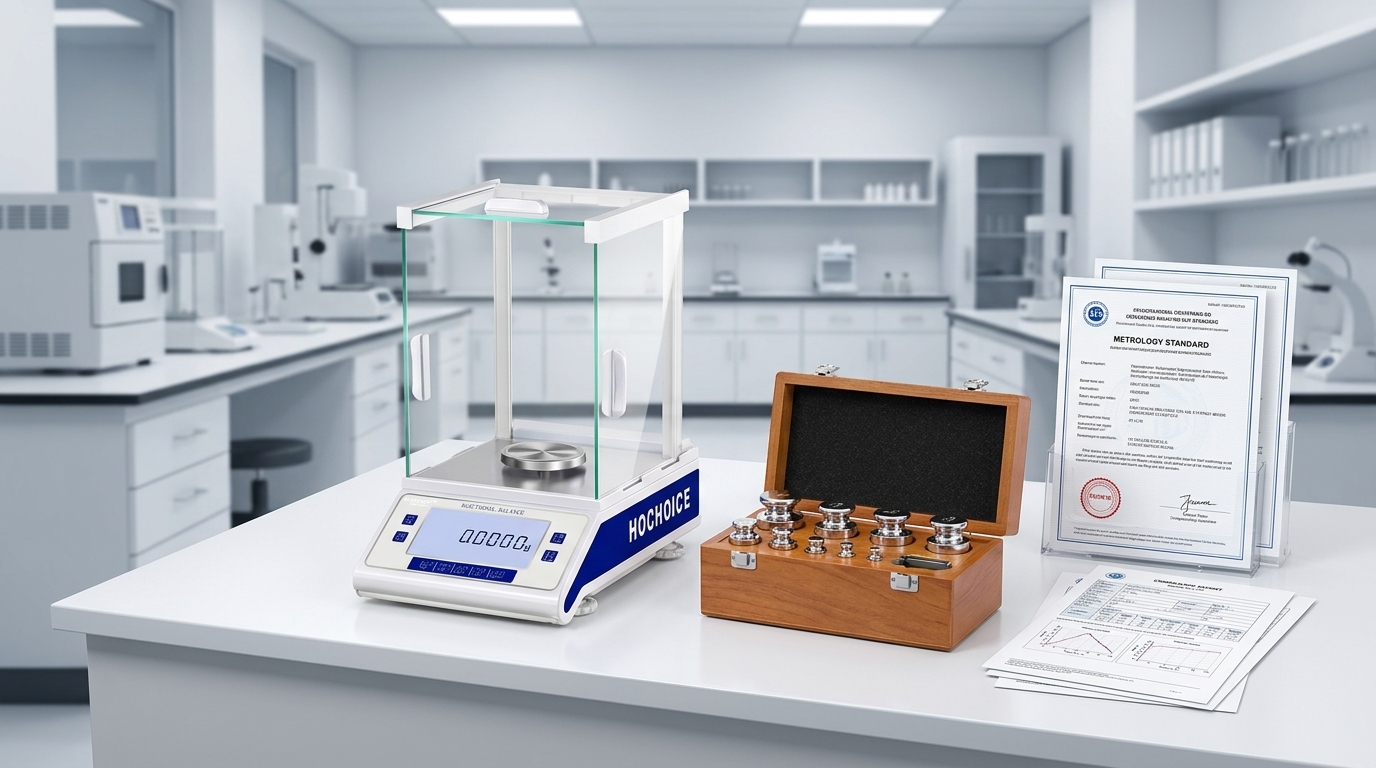
In the pharmaceutical field, revised USP Chapters <41> and <1251> officially came into force in February 2026. The new regulations explicitly require measurement uncertainty evaluation as a necessary part of balance suitability assessment. Calibration certificates can no longer only confirm that the indication is within the tolerance range, but must document the total measurement uncertainty of the weighing system. At the same time, the requirements for risk-based calibration cycles and intermediate performance checks have been further clarified, putting forward stricter standards for the daily management of weighing equipment in GMP laboratories.
In the field of international metrology, the third consensus value of the kilogram officially came into effect on March 1, 2026. The adjustment of 5 micrograms relative to the second consensus value will affect the traceability chain of high-precision mass measurement. Laboratories engaged in micro and trace weighing need to complete the traceability update of weighing equipment according to the new standard to ensure the international equivalence of measurement resultsBIPM.
For most laboratories and quality control departments, the standard update means that the original equipment calibration system and weighing data management mode may no longer meet the new requirements. It is recommended that all units sort out the compliance status of existing balances as soon as possible, upgrade the calibration management system, and give priority to weighing equipment with built-in automatic calibration, full audit trail and uncertainty evaluation support when updating equipment.
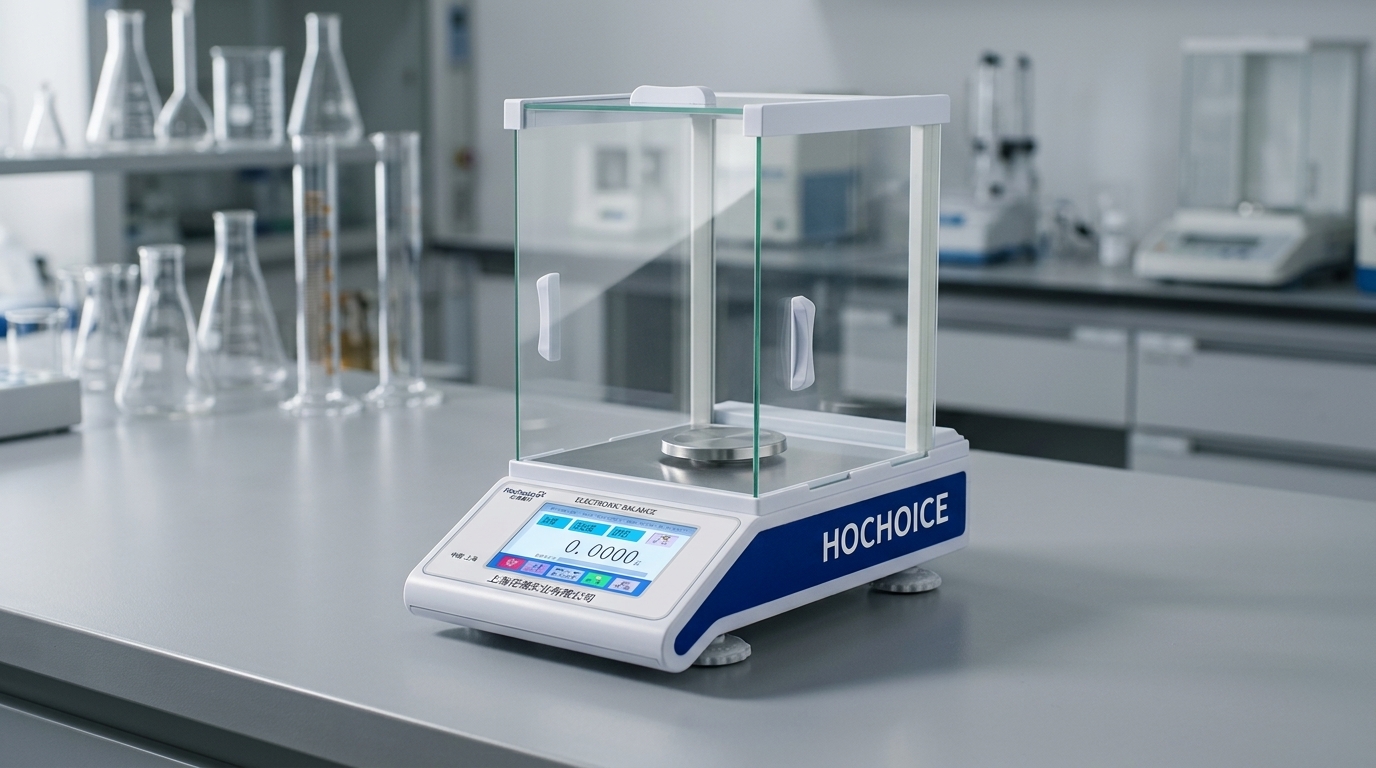
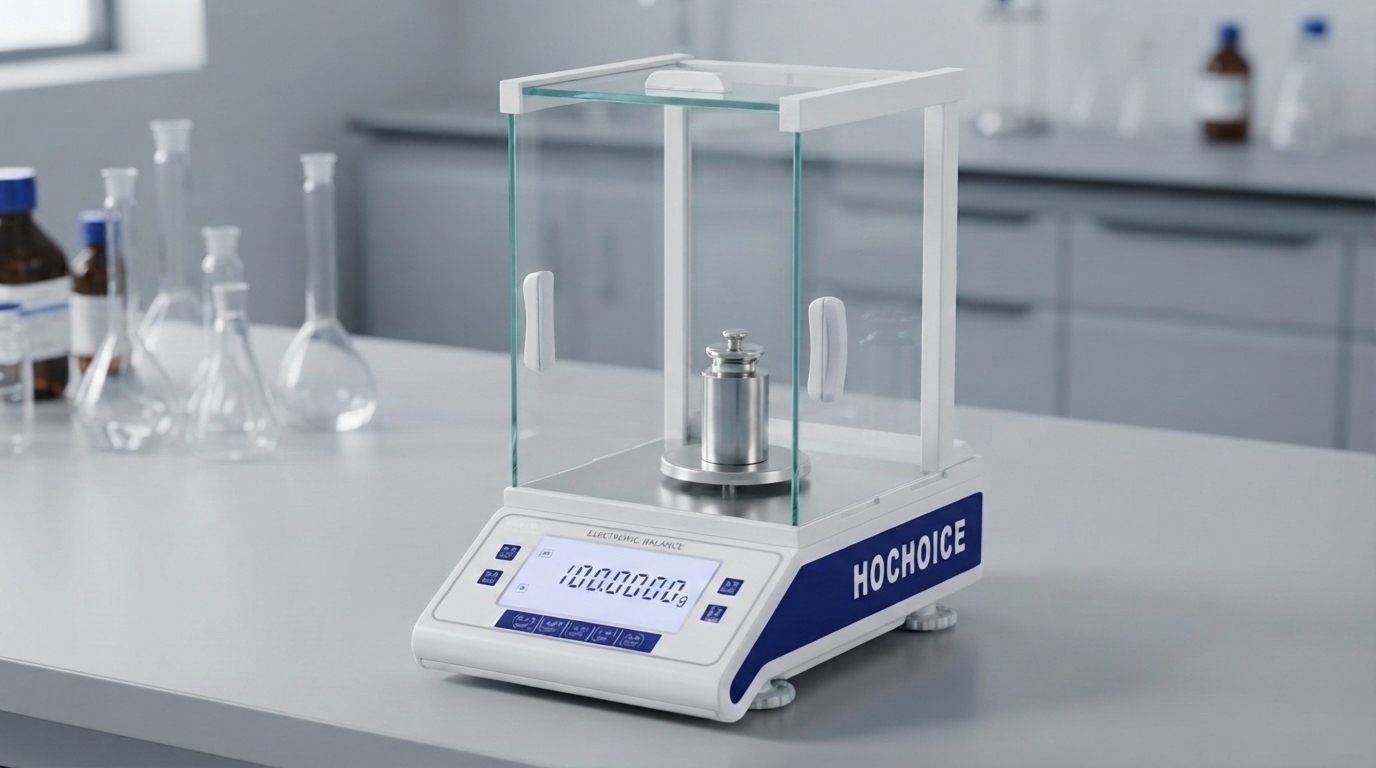
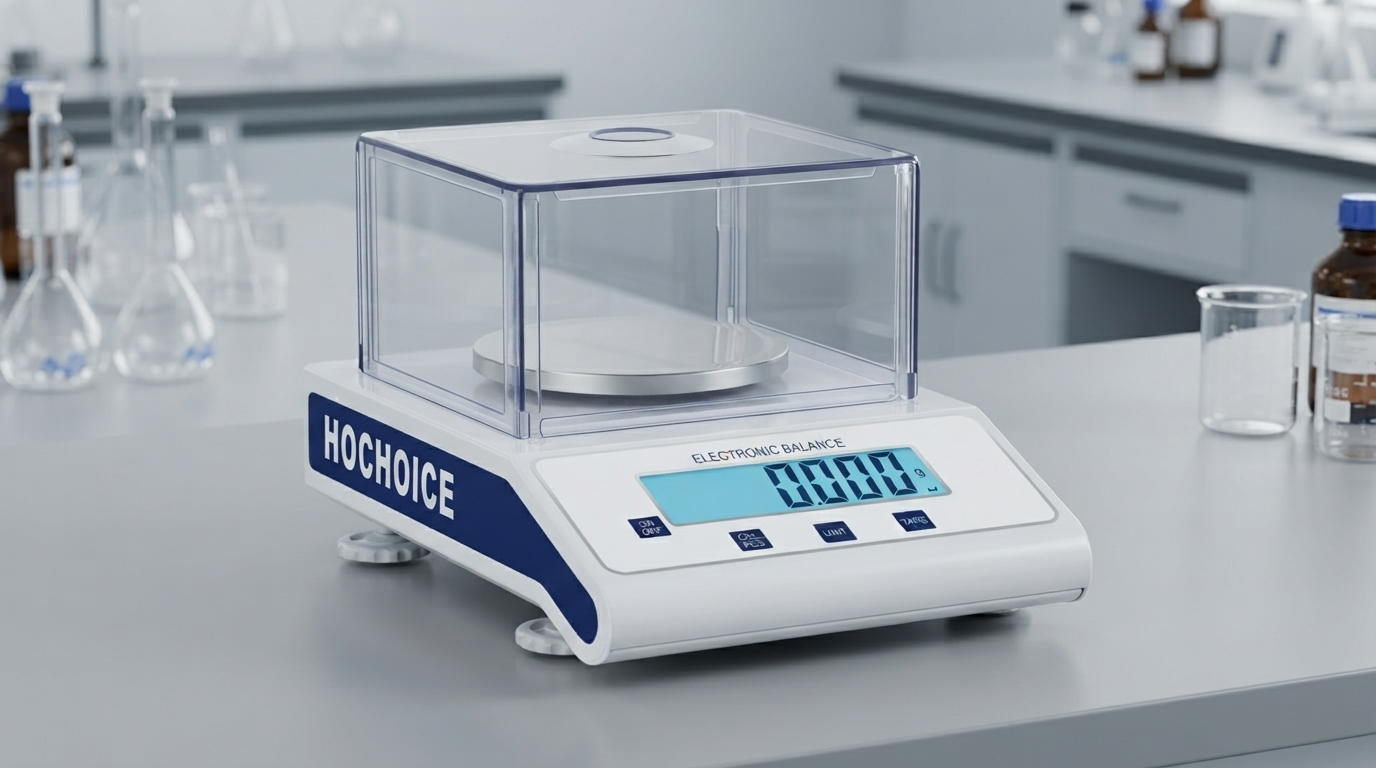
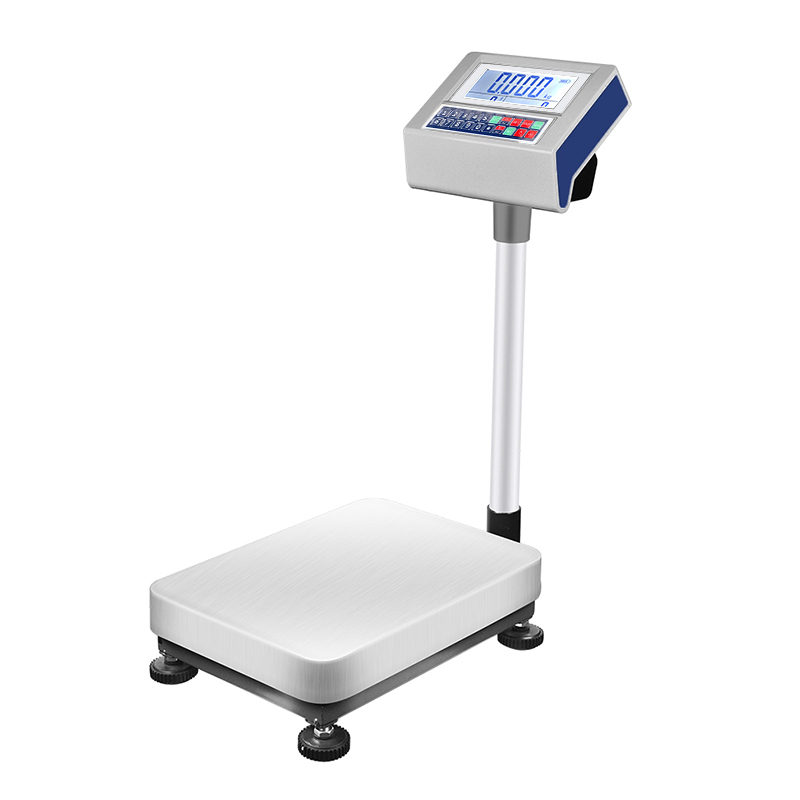
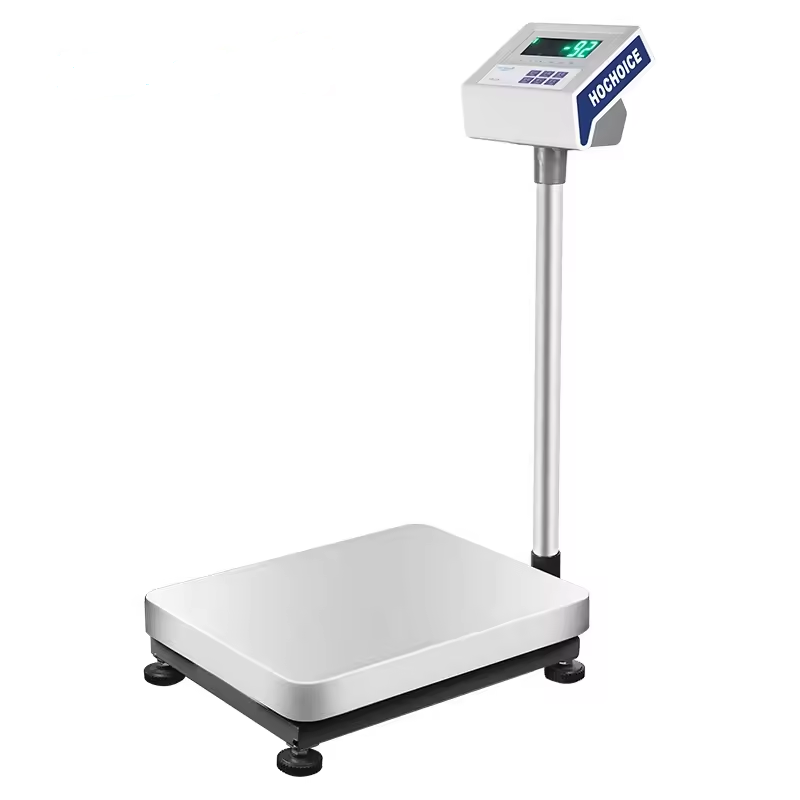
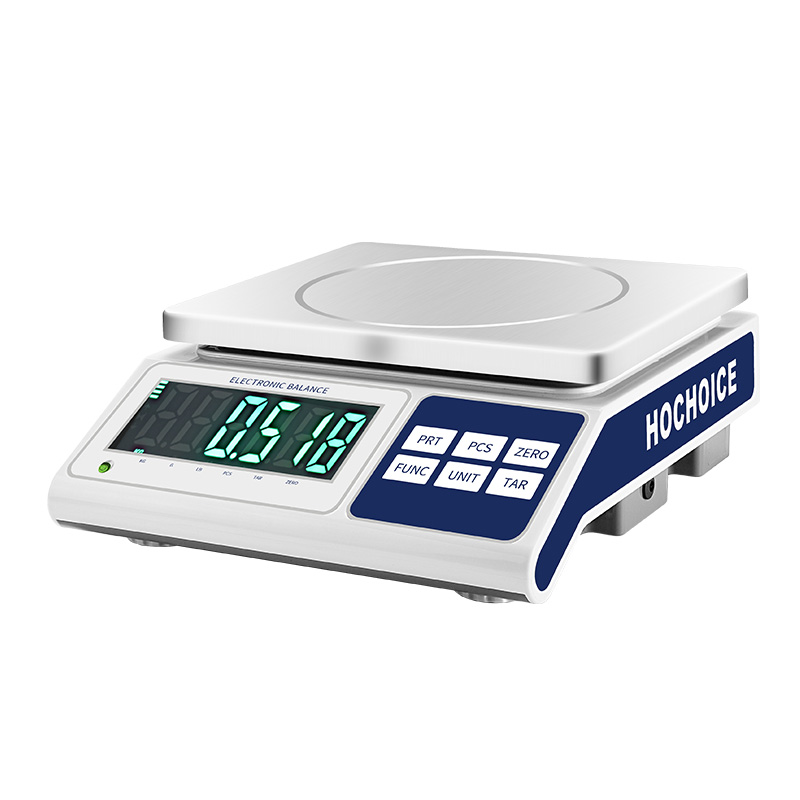
As a professional manufacturer of precision weighing instruments, Hochoice has completed the full performance verification and compliance adaptation of the whole series of analytical balances for the new version of the standards. All products support traceable automatic calibration records and complete data export functions, which can help global customers smoothly complete the standard transition and meet the latest compliance requirements.