
Against the background of the overall advancement of laboratory digital transformation, LIMS, ELN and other management systems have been widely deployed. However, the weighing link, as the most basic and frequent experimental operation, has become a common data isolated island in many laboratories.
Industry surveys show that more than 60% of laboratories still rely on manual transcription of weighing data into the information system. This mode not only takes up a lot of working time of experimental personnel, but also has a high probability of manual transcription errors. In high-throughput testing scenarios, data errors caused by manual recording are even one of the main reasons for experimental rework.
In addition, equipment compatibility is another major pain point. Most traditional balances only support basic serial port output, lack standardized data interfaces, and cannot be directly connected to mainstream LIMS and ELN systems. For laboratories with multiple brands and models of balances, it is difficult to achieve unified data management, and the cost of customized development is high, which makes many laboratories maintain the semi-manual data management mode for a long time.
At the compliance level, manually recorded weighing data generally lacks complete audit trails. Operations such as data modification and re-recording cannot be traced, which cannot meet the strict requirements of GMP and GLP for data integrity, and brings potential compliance risks to regulated laboratories such as pharmaceuticals and food testing.
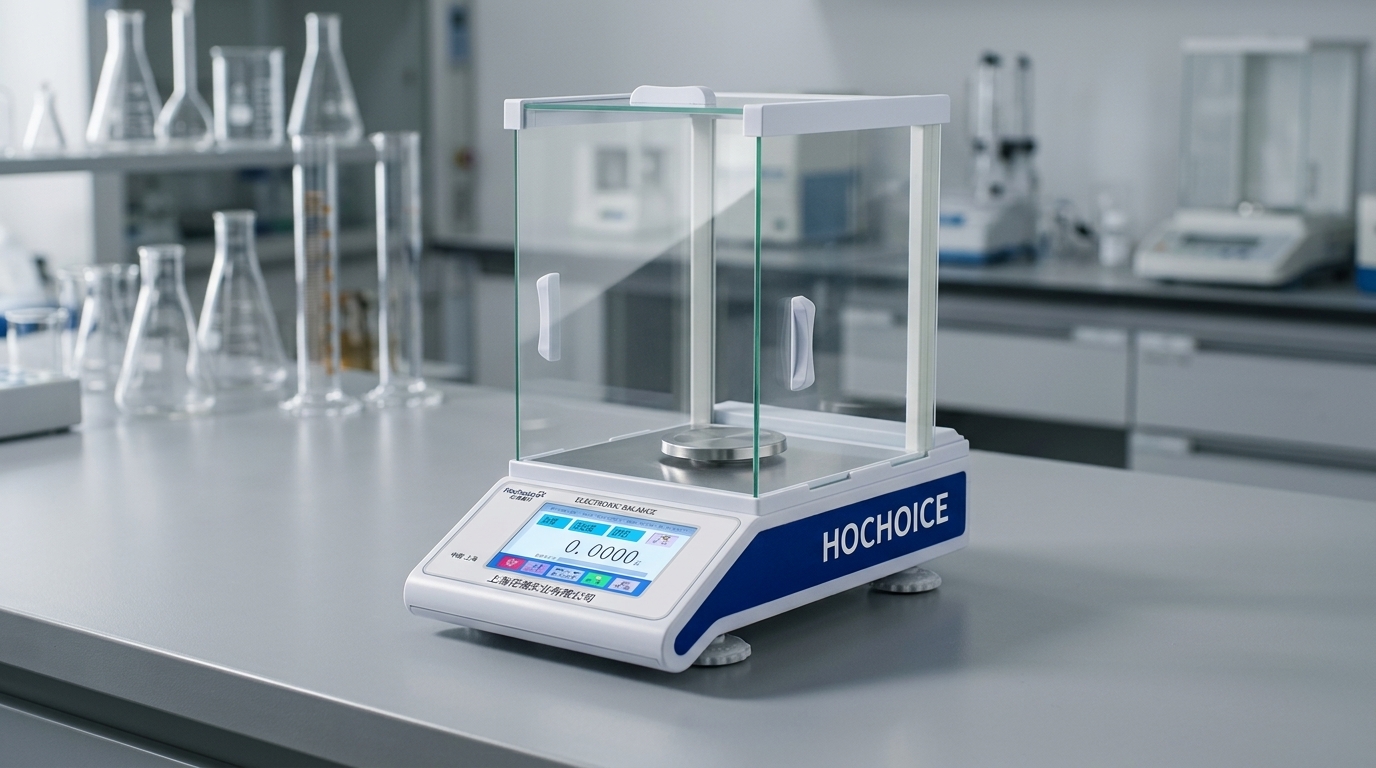
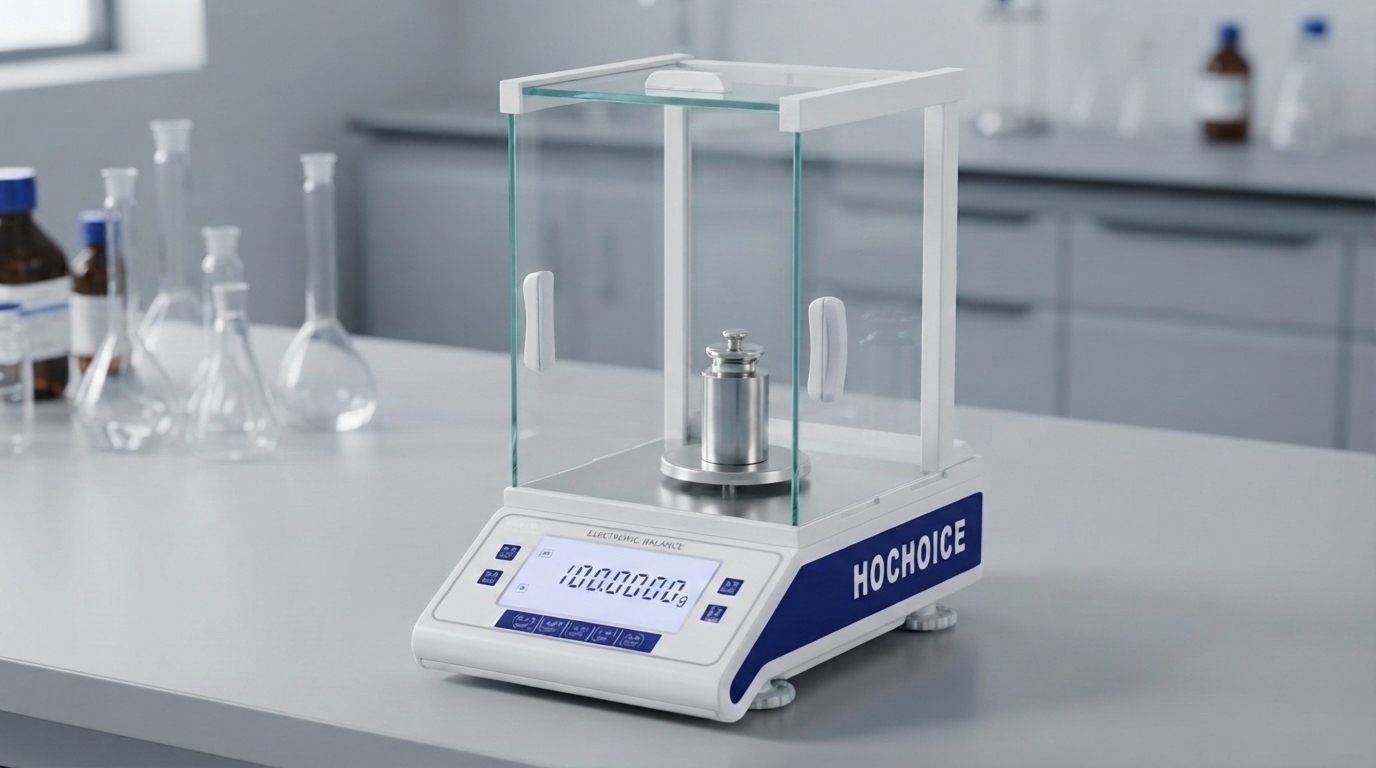
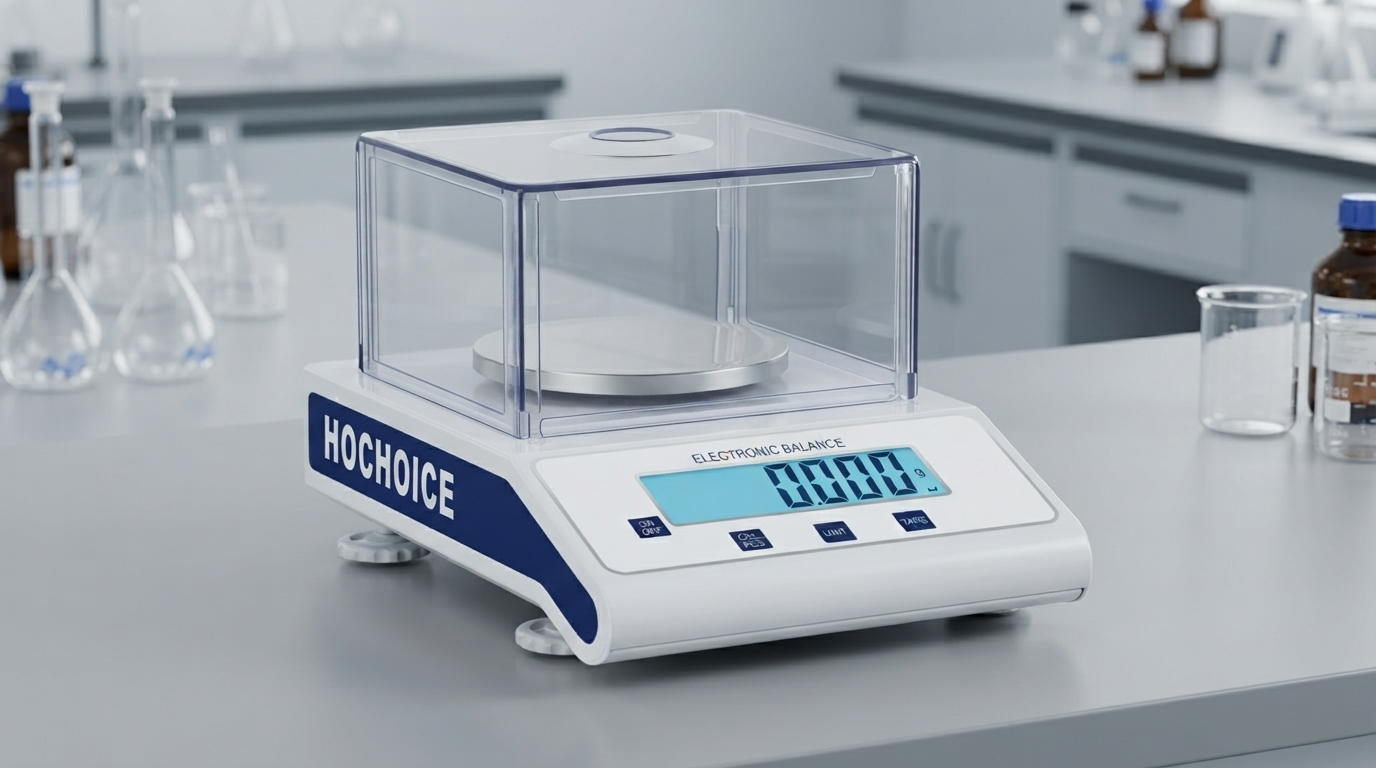
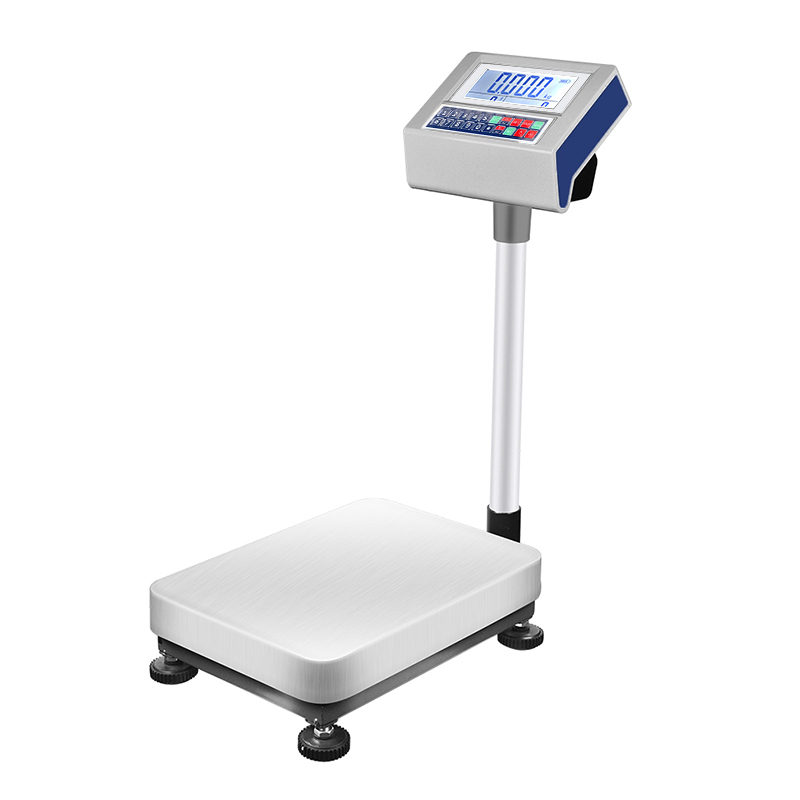
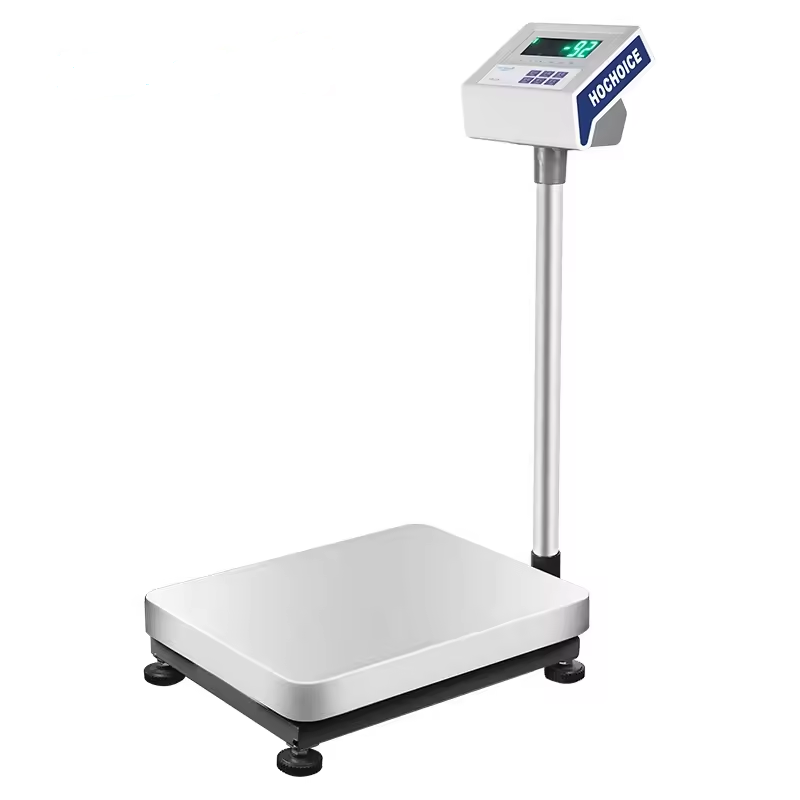
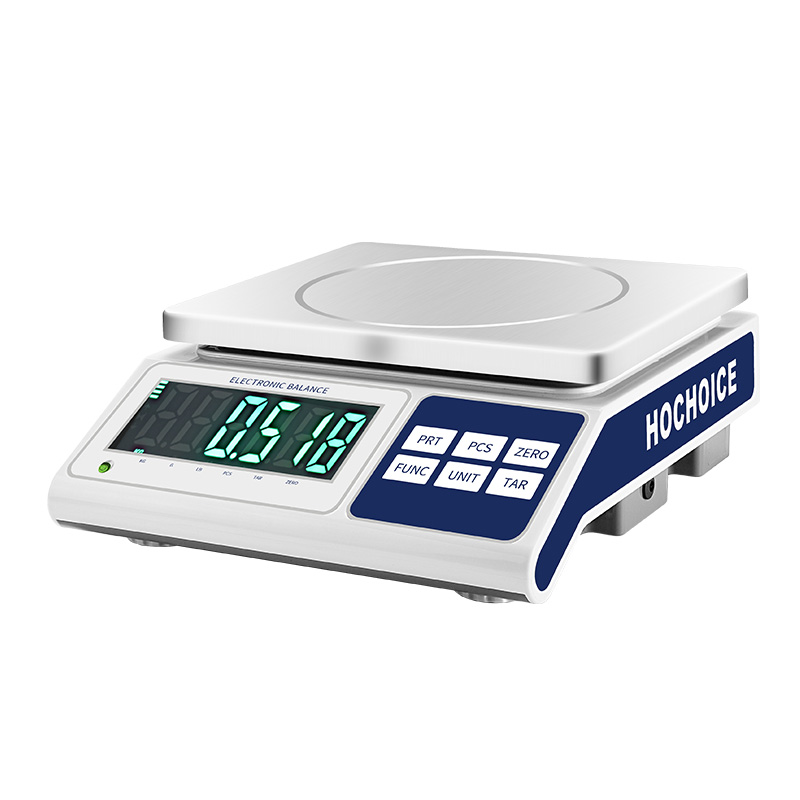
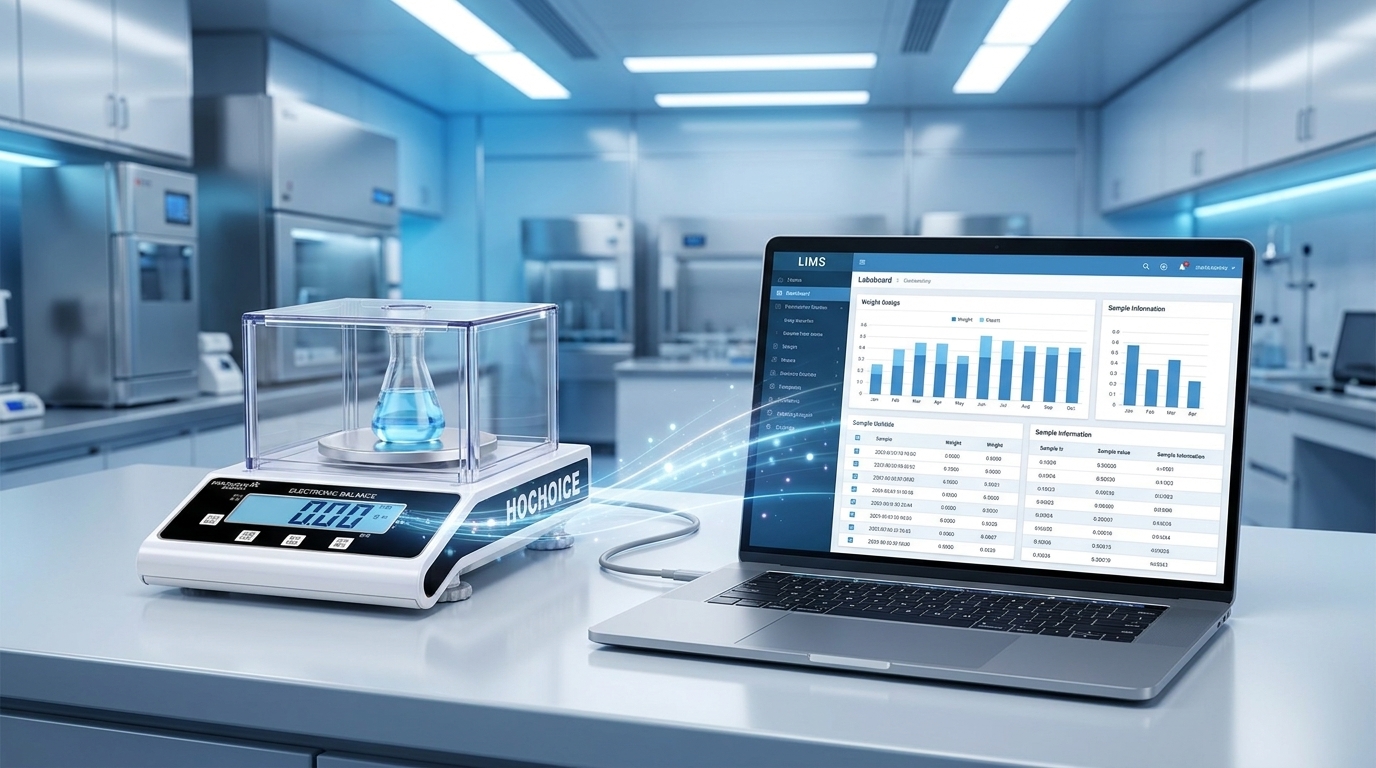
Industry insiders pointed out that with the deepening of laboratory digitalization, intelligent weighing equipment with native digital connectivity, automatic data recording and system docking capabilities will gradually replace traditional balances. Hochoice smart precision balance series are designed with standard WIFI, Bluetooth and RS232 multi-channel interfaces, support one-click data export and mainstream LIMS system docking, and have built-in audit trail functions, which can effectively help laboratories open up the data blockage of the weighing link and complete the digital upgrade of the whole workflow at a lower cost.