
In the fast-growing electronic weighing scale market, one of the most frequently asked questions by lab managers is: how often should we arrange calibration of electronic balance? A cycle that is too short wastes manpower and time, while a cycle that is too long brings data deviation and compliance risks. A scientific calibration schedule should be formulated based on risk assessment, rather than blindly following a fixed monthly rule.
For high-throughput QC laboratories that run weighing for more than 8 hours a day, frequent loading and unloading will accelerate sensor drift. It is recommended to perform electronic balance weight calibration at least once a month. For laboratories with low daily use frequency, the cycle can be extended to 2–3 months appropriately. For balances that have experienced overload or heavy impact, electronic calibration must be performed immediately instead of waiting for the scheduled cycle.
Laboratories with constant temperature and humidity, independent anti-vibration platform: the environment is stable, and the calibration cycle can be appropriately extended
Workshops, open testing stations and other semi-open environments: affected by temperature fluctuation, air flow and vibration, calibration of electronic weighing balance should be performed every 2–4 weeks
Seasonal alternation and air conditioning switching periods: temperature changes will cause sensor parameter drift, and an additional digital balance calibration should be added after seasonal temperature stabilization
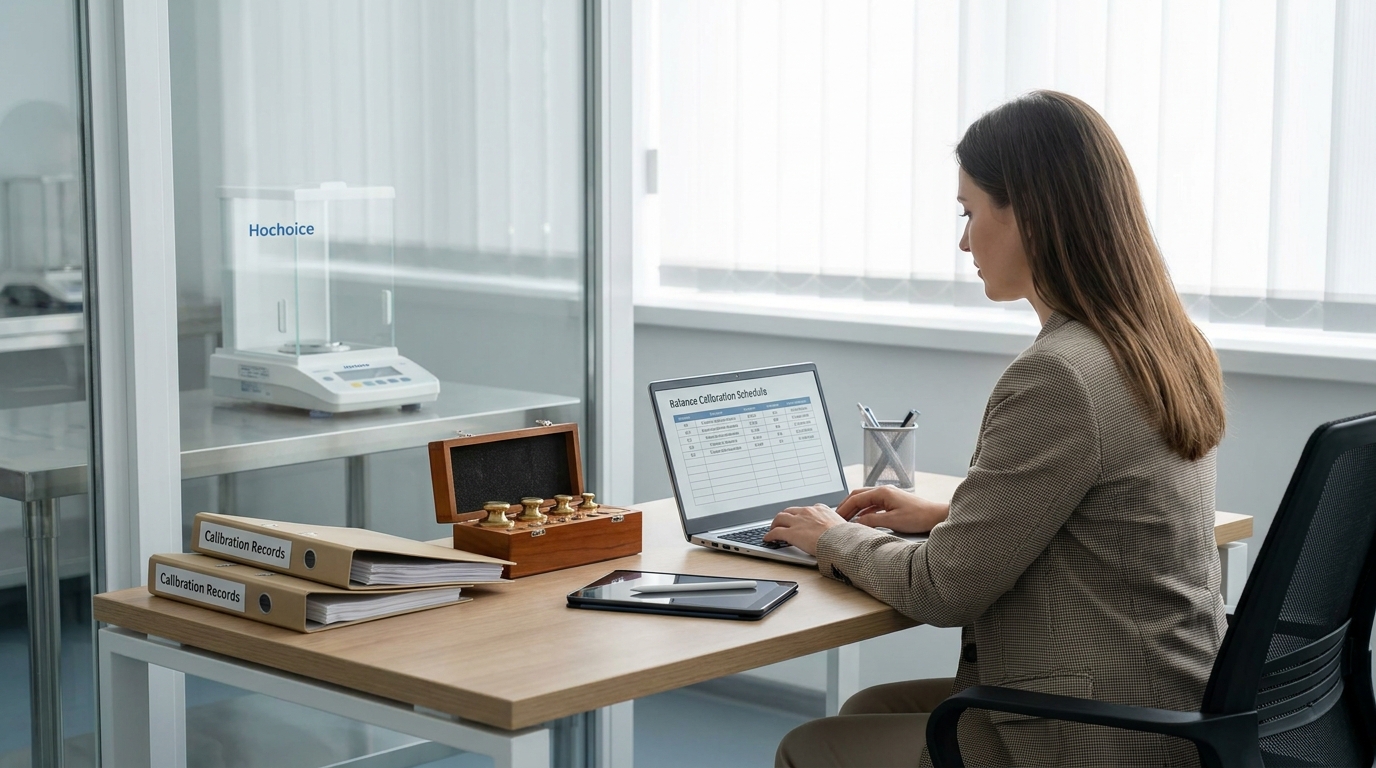
For pharmaceutical, food testing and third-party laboratories that need to pass GMP, GLP and ISO17025 audits, the calibration cycle must be documented and verified. It is generally required to perform at least one traceable electronic balance weight calibration per quarter, and intermediate performance checks should be arranged between two formal calibrations. All calibration records must be archived for audit review.
表格
| Usage scenario | Recommended calibration frequency | Supplementary check items |
|---|---|---|
| Low-frequency teaching lab | Every 3 months | Zero check before each use |
| Conventional R&D laboratory | Every 1–2 months | Weekly zero point verification |
| High-frequency pharmaceutical QC | Once a month | Bi-weekly intermediate check |
| Open workshop / on-site testing | Every 2 weeks | Daily zero reset and visual check |
Before each use, master how to reset digital scale to zero correctly, and judge whether there is obvious drift through zero point stability
After moving the balance, replacing the weighing pan or experiencing power failure, perform a full balance calibration immediately instead of waiting for the scheduled time
Establish calibration files for each instrument, recording calibration date, operator, weight grade and results, to form a traceable full lifecycle management
For multi-instrument laboratories, balances with automatic calibration function can be preferred to reduce manual management pressure
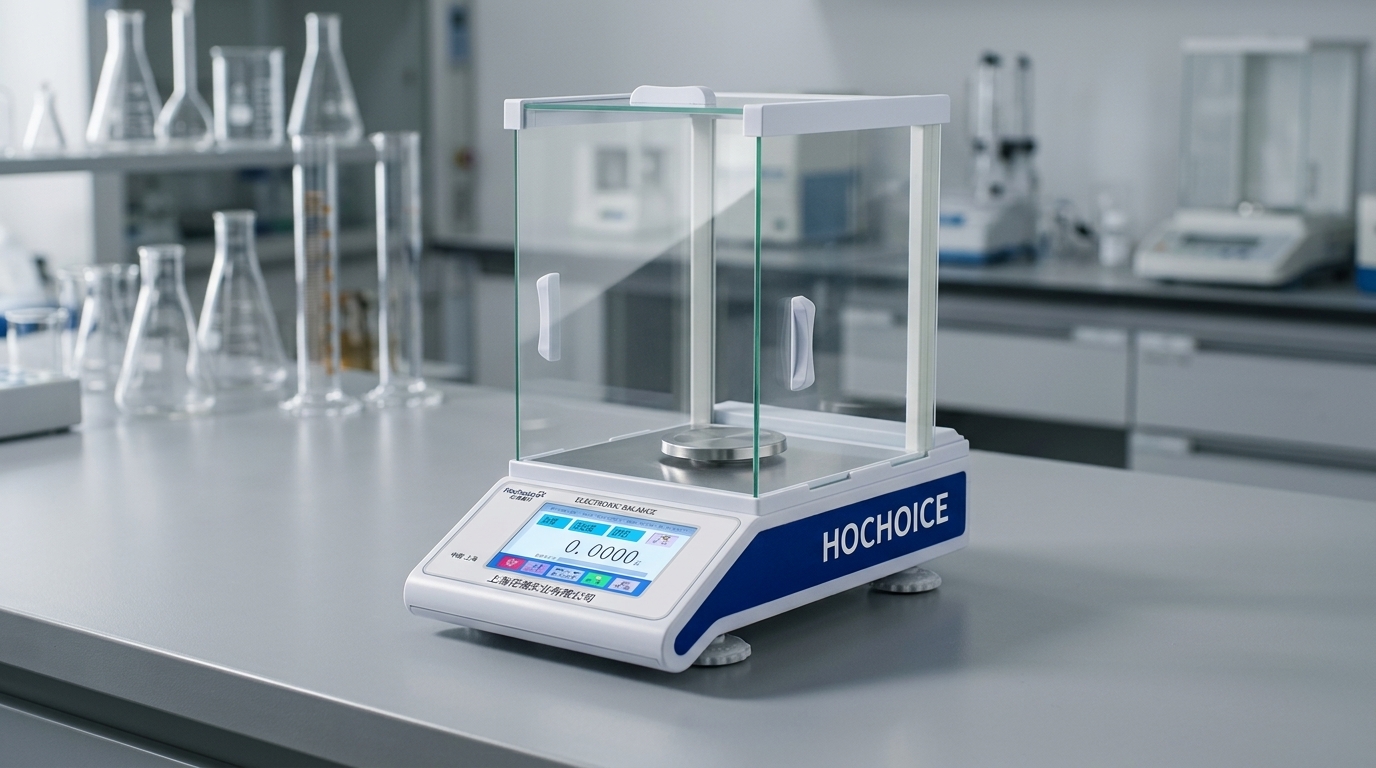
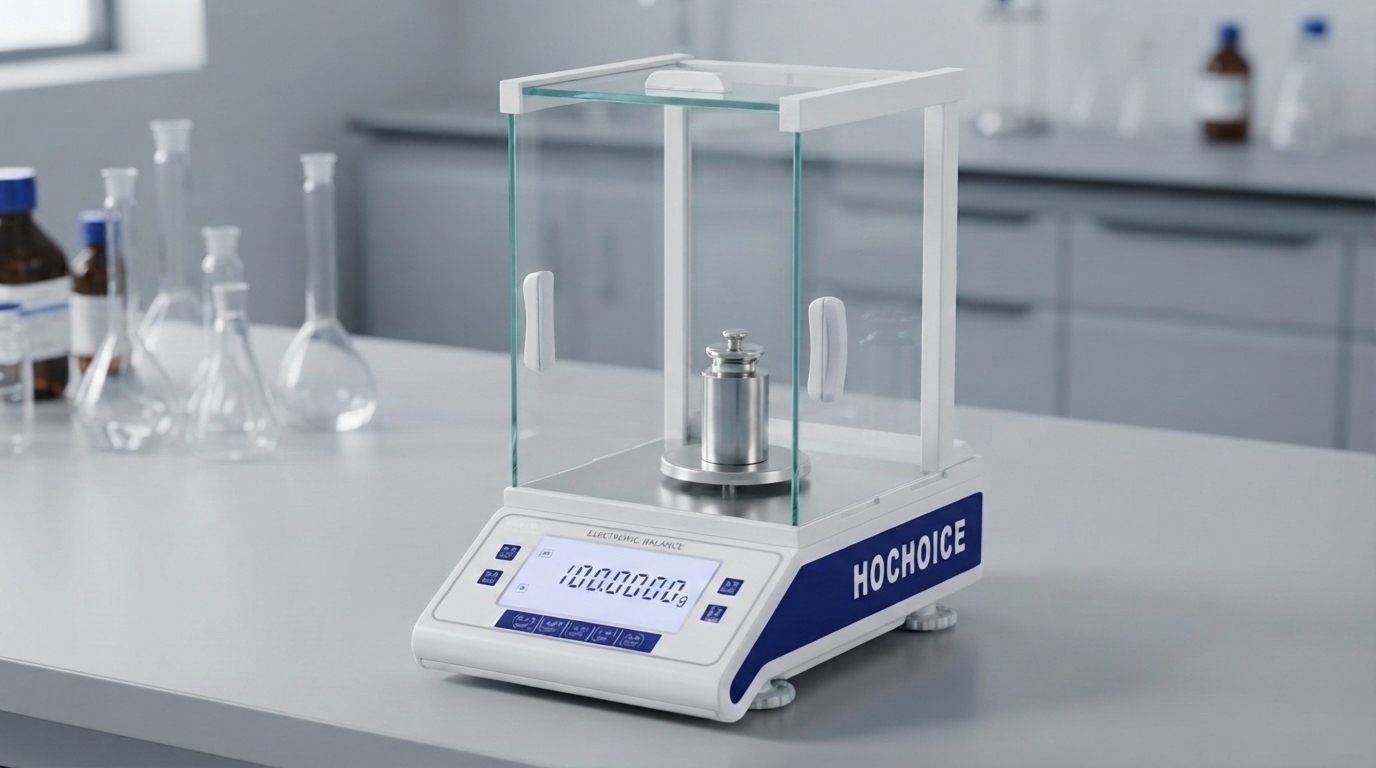
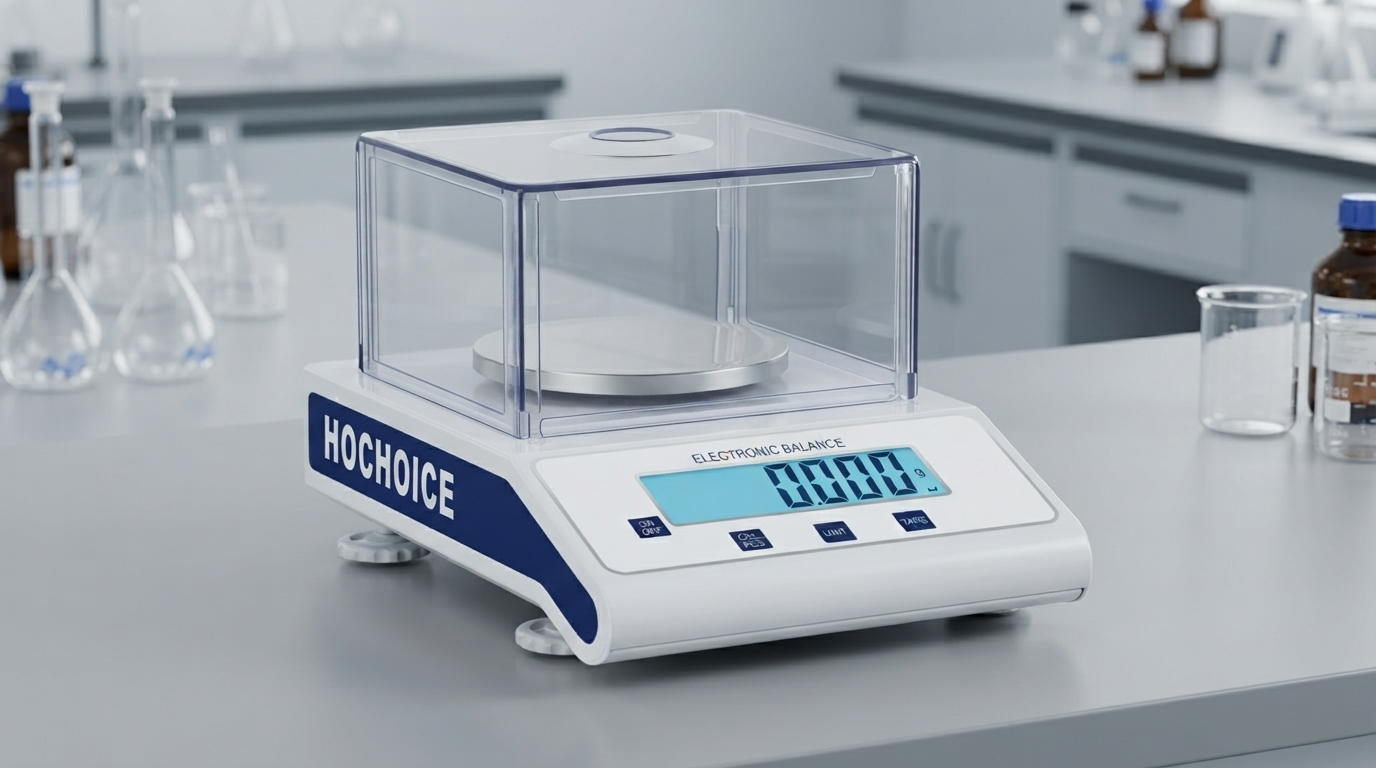
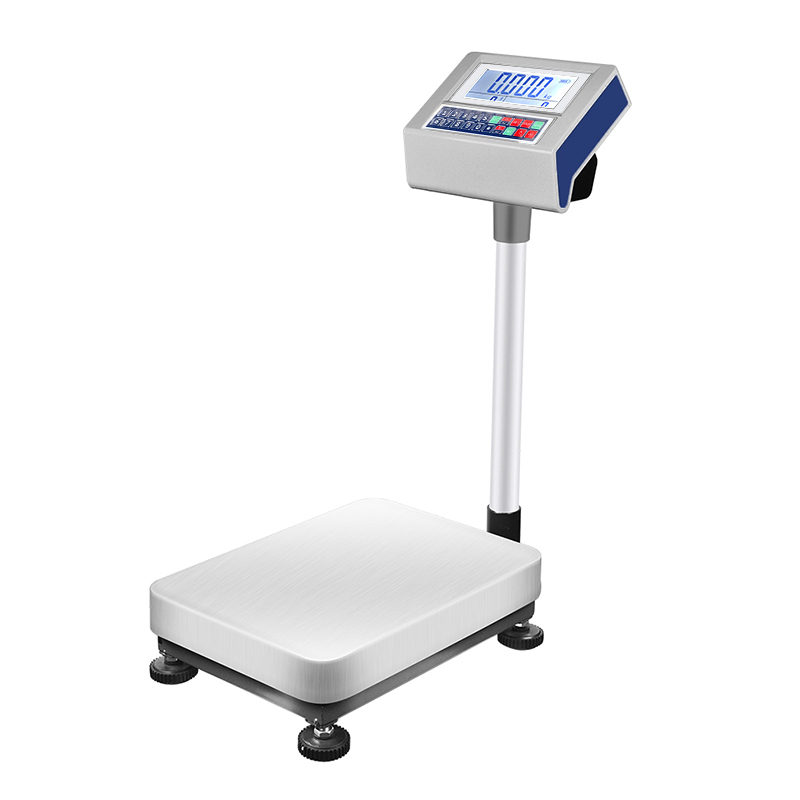
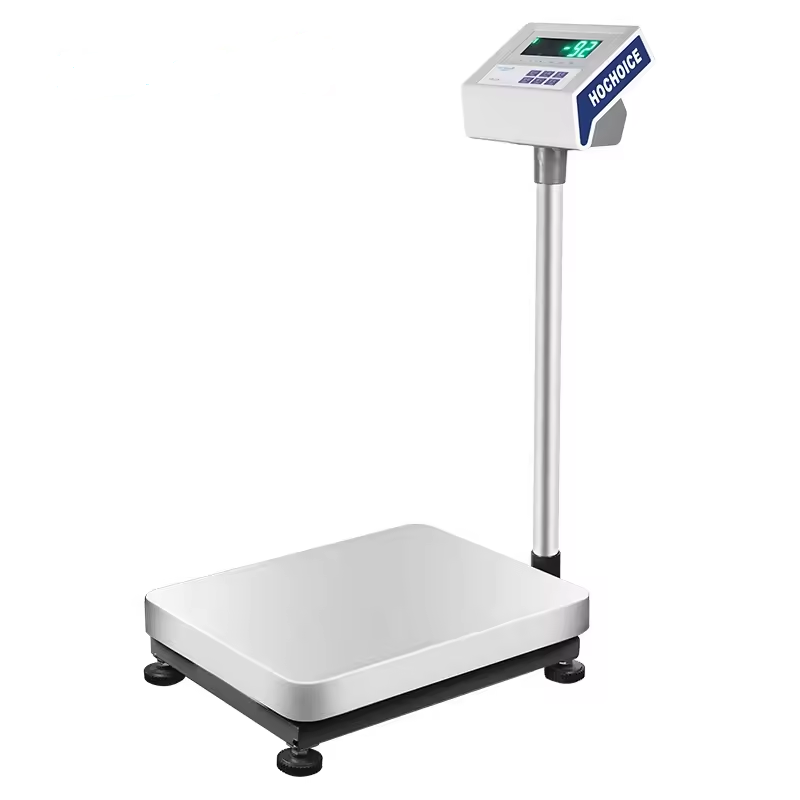
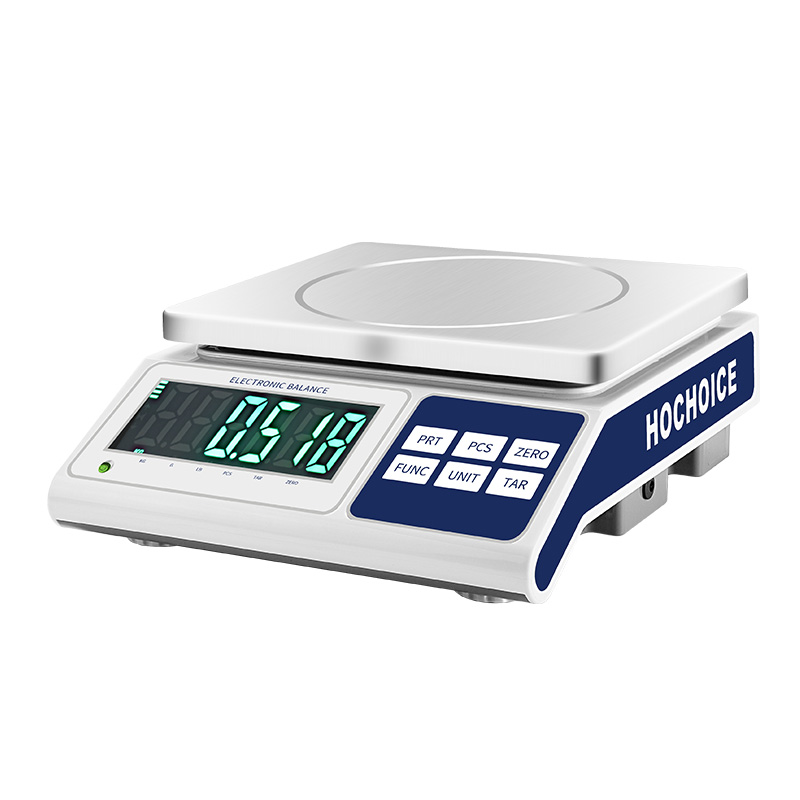
Hochoice series of precision balances support both manual calibration and automatic electronic calibration. Users can set timed calibration cycles and temperature-triggered calibration thresholds according to their actual scenarios. The equipment automatically completes calibration and retains operation logs, which greatly reduces the management cost of balance calibration for laboratory teams and easily meets the compliance requirements of various industries.