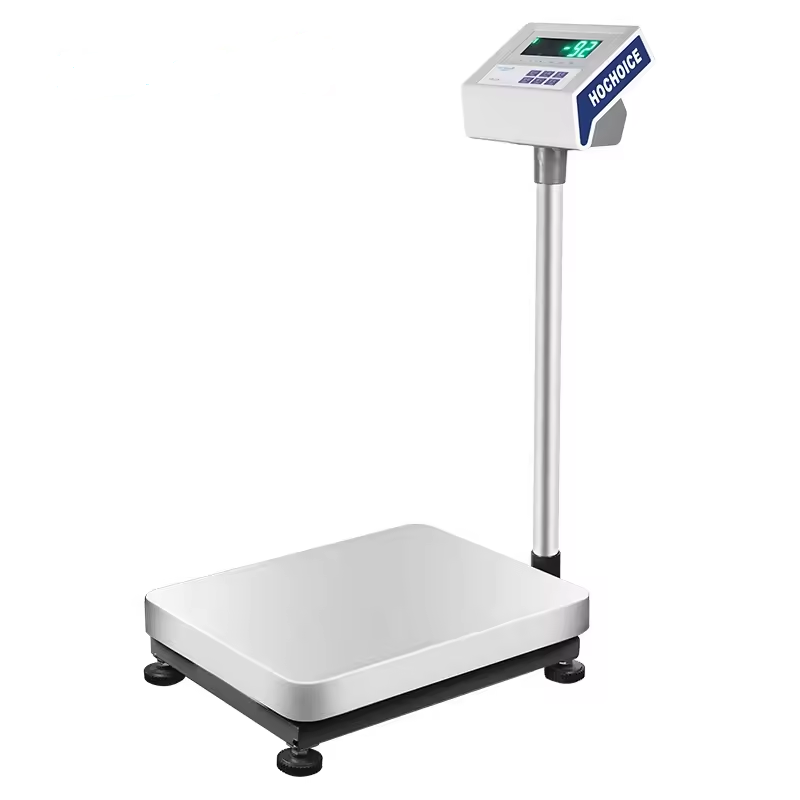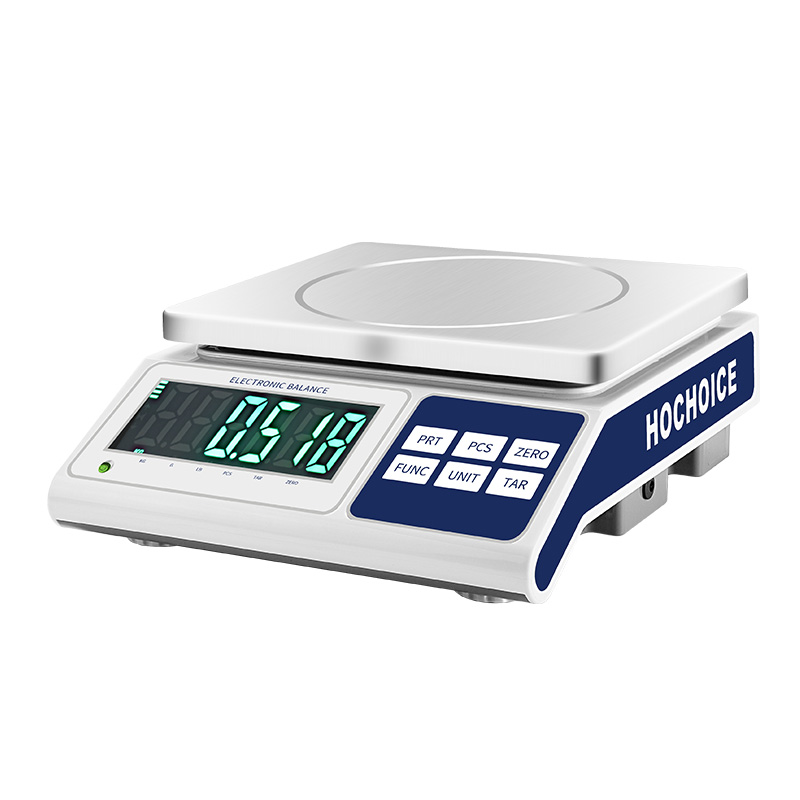

In 2026, the global electronic weighing scale market presents a clear regional differentiation trend. While European and American mature markets focus more on green sustainability and intelligent interconnection, emerging industrial markets represented by Southeast Asia, the Middle East and Latin America release a large number of cost-effective procurement demands driven by the transfer of manufacturing and food processing industries.
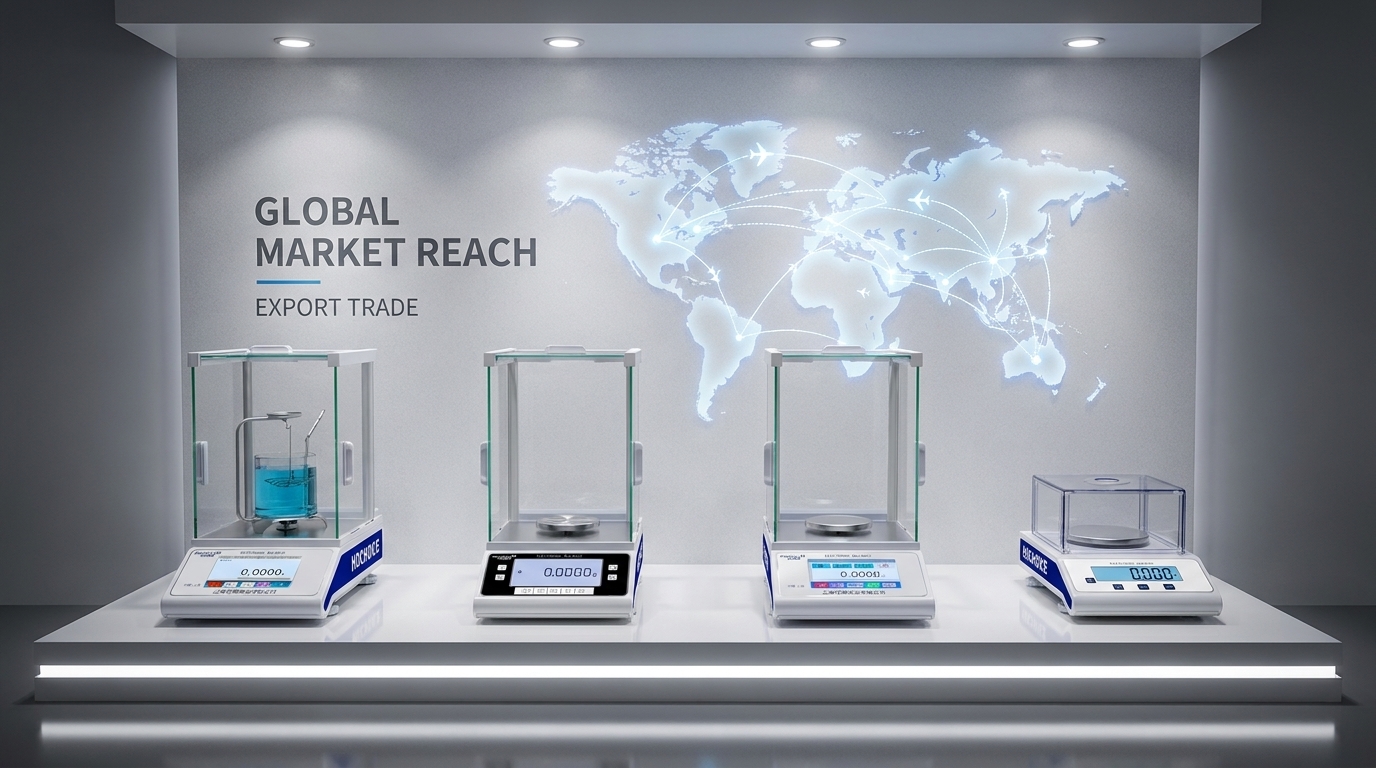
Most small and medium-sized factories and testing laboratories in emerging markets have limited equipment budget, but they have increasingly strict requirements for basic weighing accuracy. They no longer choose low-cost ordinary commercial scales, but turn to cost-effective precision electronic balances. The most concerned functions include stable weighing performance, reliable electronic balance calibration and simple operation logic.
Buyers in emerging markets pay high attention to the usability of equipment. Search data shows that keywords such as how to reset digital scale to zero, balance calibration tutorial and basic troubleshooting have high search volume in local languages, which reflects that end-users need clear operation guidance and accessible after-sales support. Suppliers with complete operation manuals and technical guidance will have obvious competitive advantages in the electronic weighing scale market.
Many factory QC stations in emerging markets are not standard constant-temperature laboratories, but semi-open production line testing positions. Therefore, buyers pay more attention to the anti-interference performance of the equipment, windproof and shockproof structure design, rather than pursuing extreme microgram precision. Calibration of electronic weighing balance should be simple and easy to operate, to adapt to the situation of on-site personnel with limited professional skills.
For export-oriented factories, basic metrological compliance is required, but they do not need the highest level of pharmaceutical-grade certification at the initial stage. They prefer products with standard RS232 interface, which can connect printers and simple data systems, and reserve the upgrading space for subsequent LIMS docking.
Prioritize calibration reliability: The calibration of electronic balance must be simple and standardized. It is better to choose products supporting both manual and automatic electronic calibration, to reduce the professional skill requirements for on-site operators. Digital balance calibration can be completed with standard weights, which is convenient for regular maintenance.
Pay attention to operation convenience: The zero reset process should be simple and intuitive, and operators can quickly master how to reset digital scale to zero, reducing the learning cost of front-line staff.
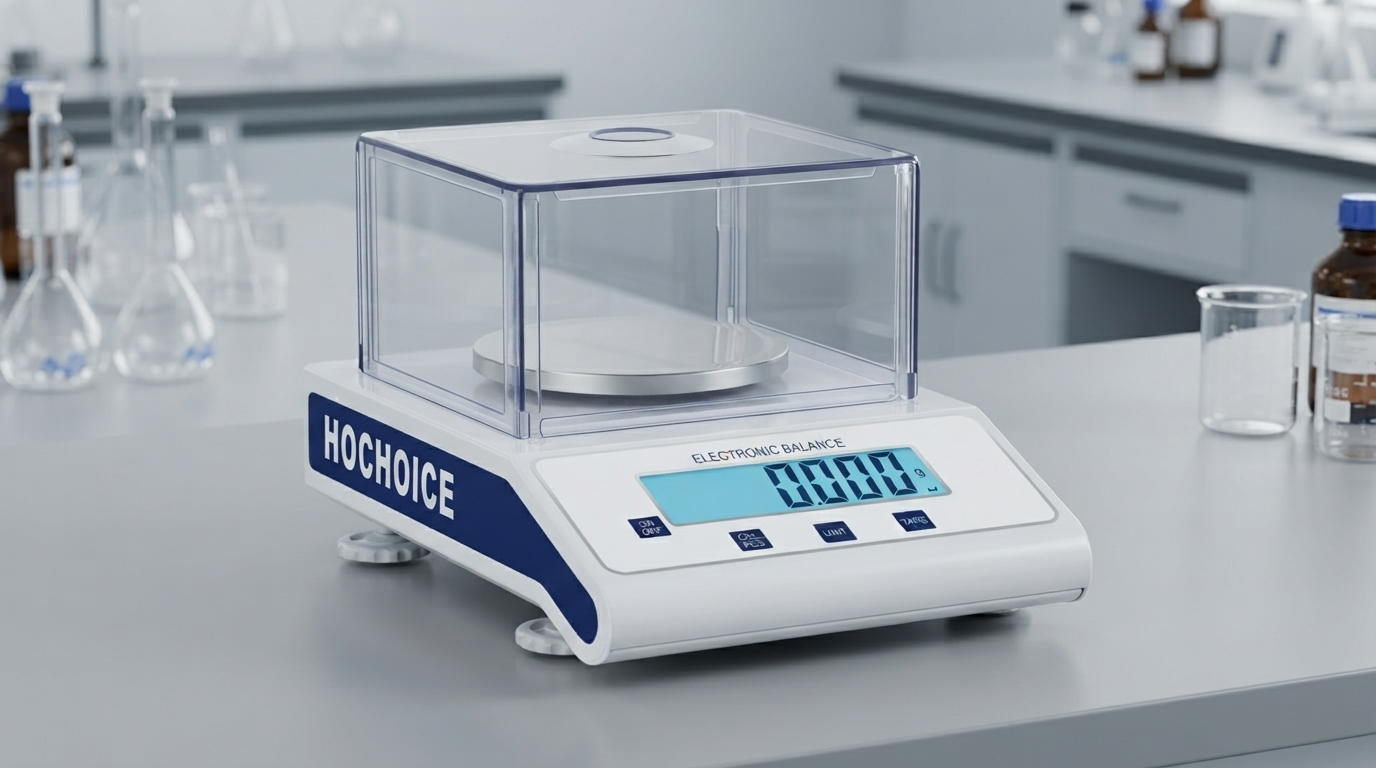
Select anti-interference structural design: For workshop and production line scenarios, products with fully enclosed windshield and shockproof base should be preferred to adapt to complex on-site environments.
Choose suppliers with complete technical documents: Clear operation manuals, calibration guides and troubleshooting materials can greatly reduce after-sales communication costs.
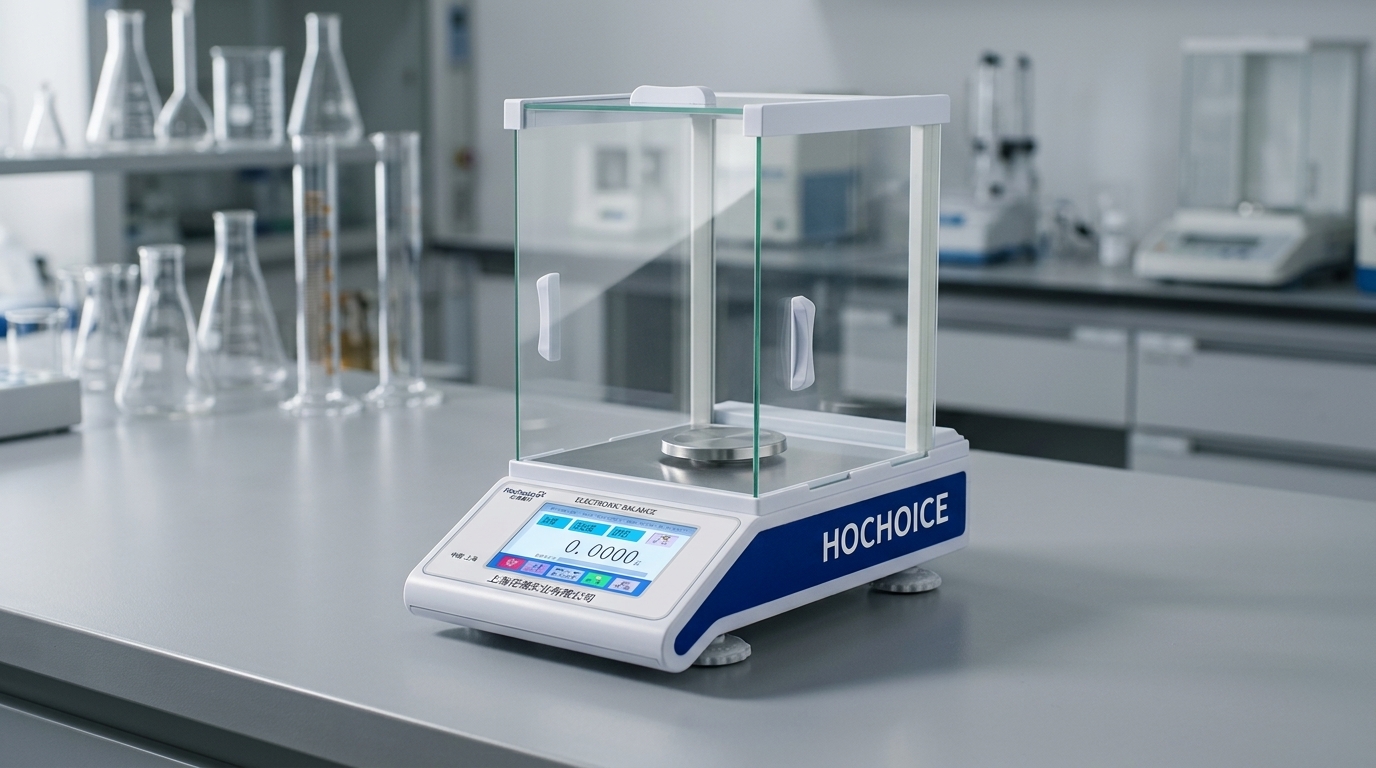
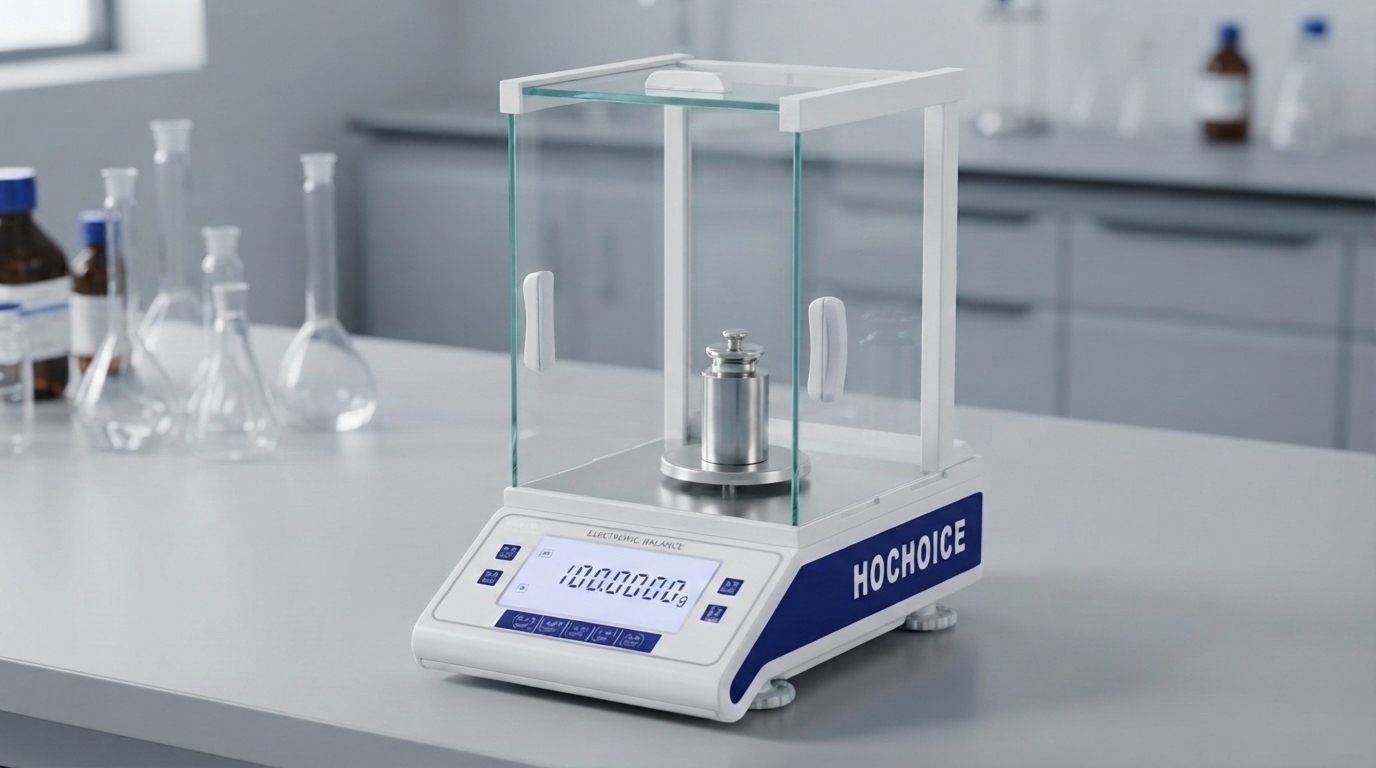
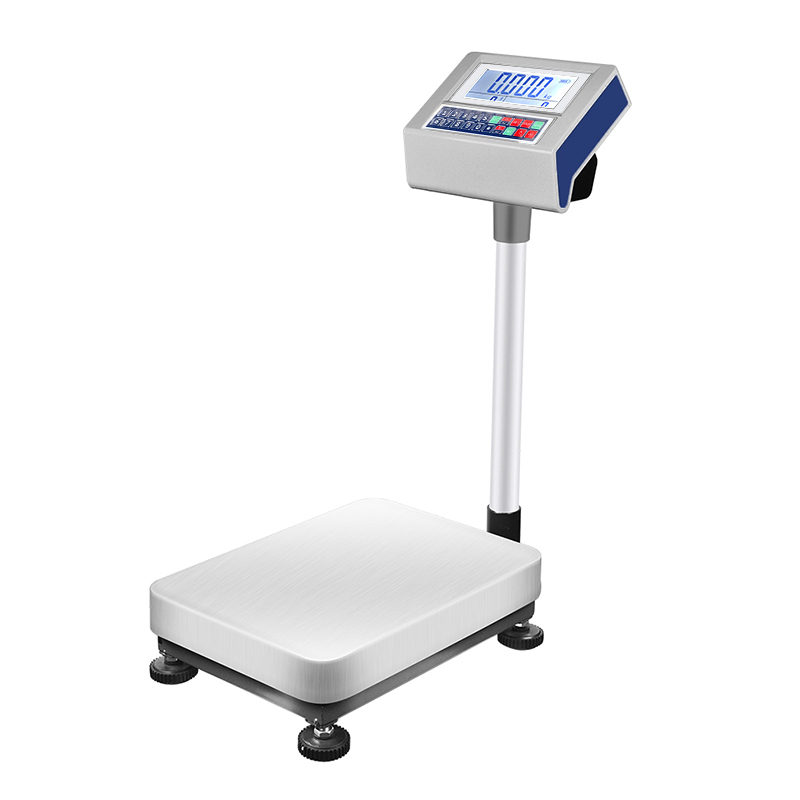
As a professional weighing instrument manufacturer, Hochoice provides cost-effective precision balance solutions for global emerging markets. The full series of products have stable performance, simple operation, complete electronic balance weight calibration process, and multilingual operation manuals and technical guidance. Standard RS232 interface is reserved to meet the needs of data printing and system upgrading. While ensuring quality, it controls the cost within a reasonable range, which is very suitable for small and medium-sized manufacturing enterprises, food factories and testing laboratories in emerging markets.