
Balance calibration is non-negotiable for reliable test data, yet many labs apply one generic process to every instrument — which either compromises accuracy or wastes manpower. Different accuracy grades require different weight classes, verification steps and cycles.
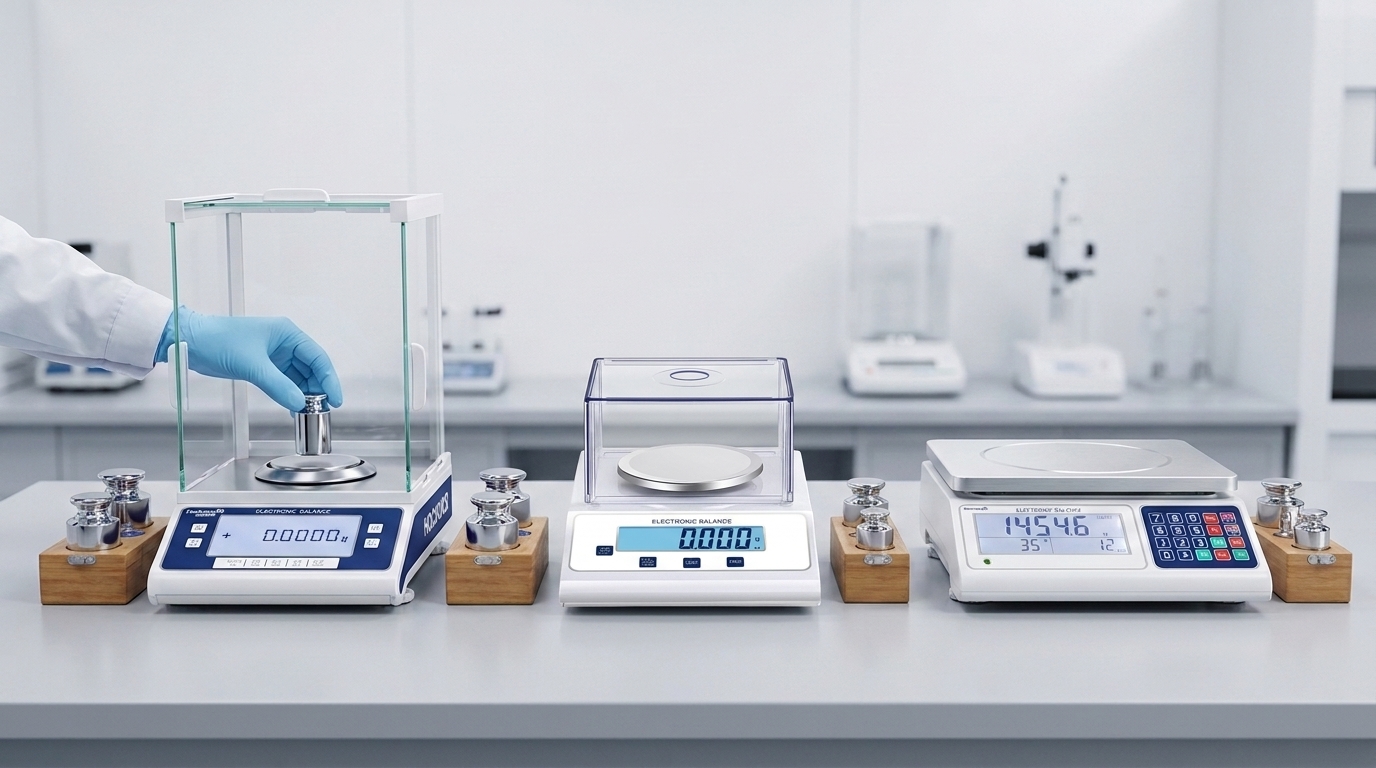
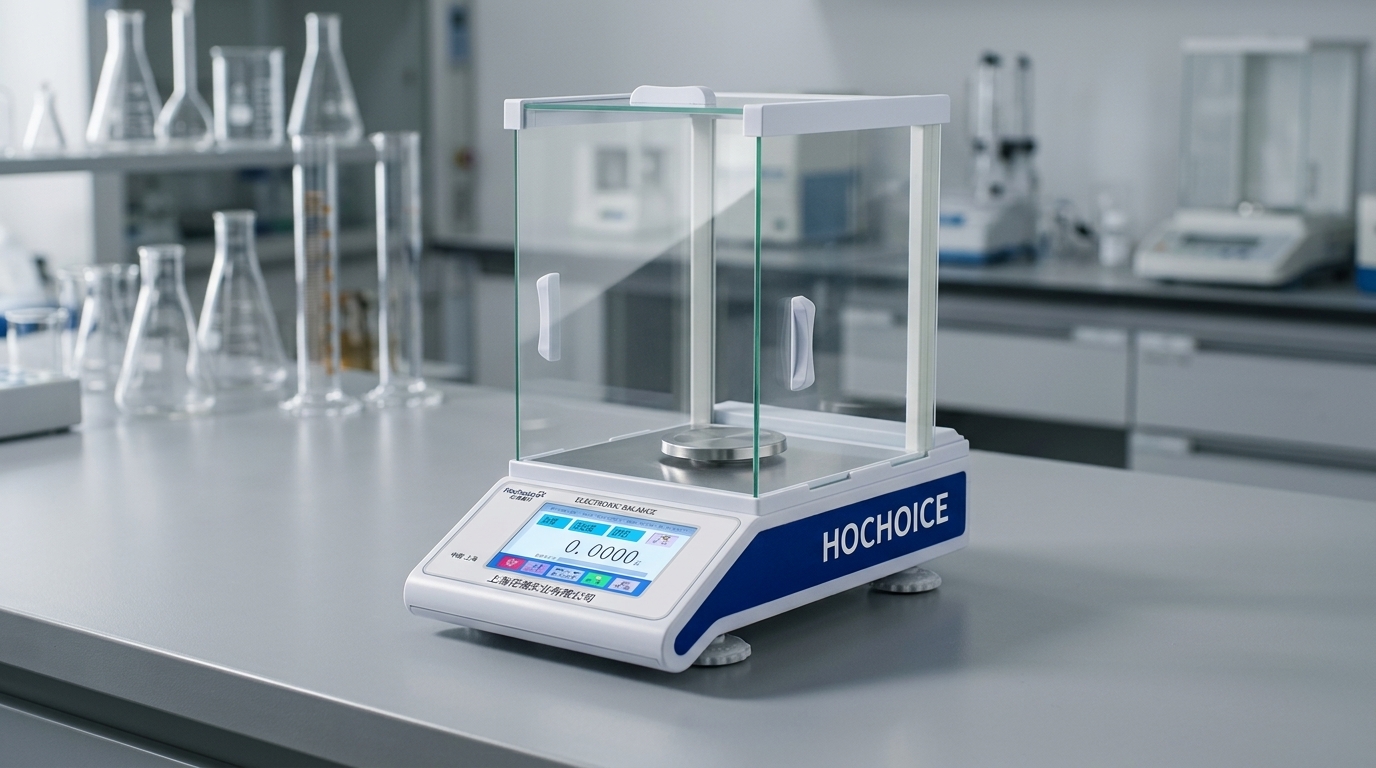
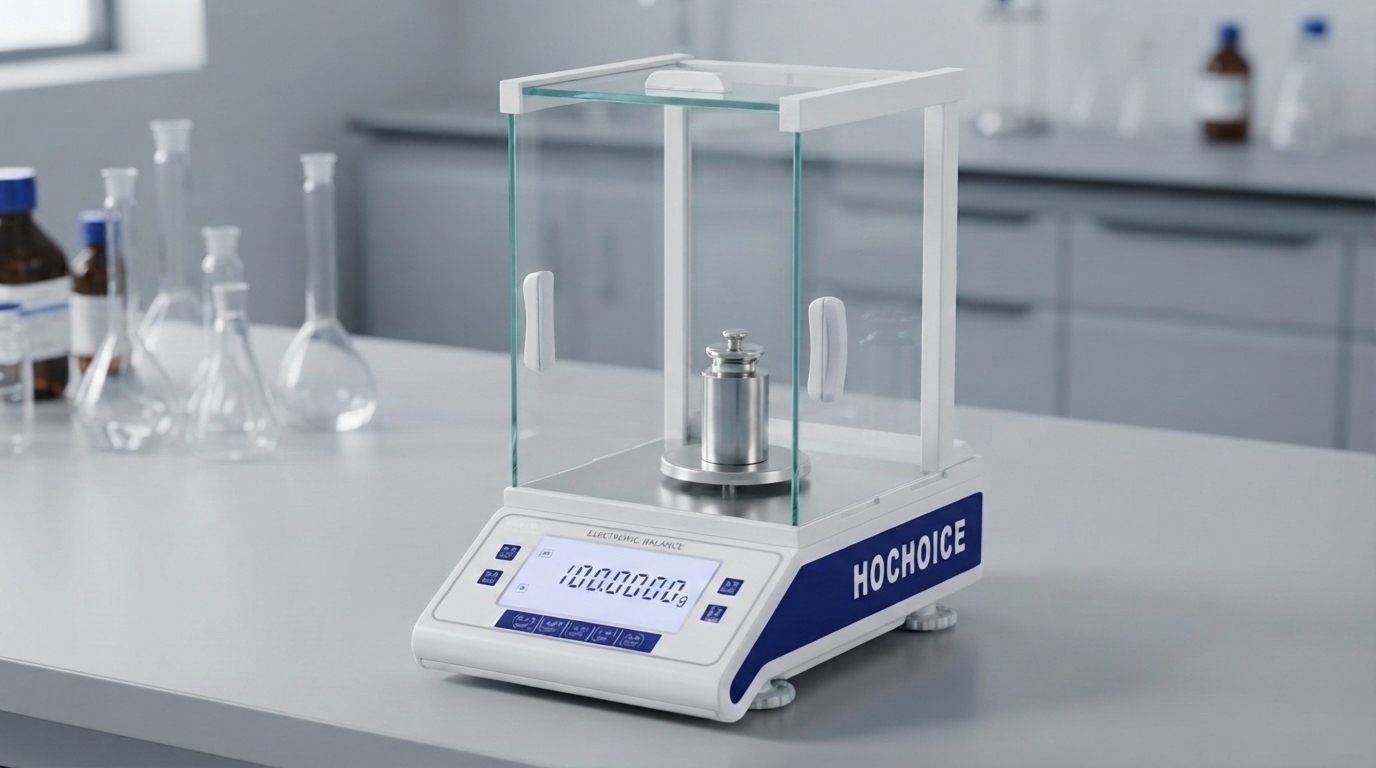
Analytical grade: electronic balance calibrationMicrogram and milligram analytical balances demand the strictest conditions. Use E2 grade or higher traceable weights, control temperature and humidity within tolerance, and test for indication error, repeatability and eccentric load error. Full records are mandatory for audit traceability.
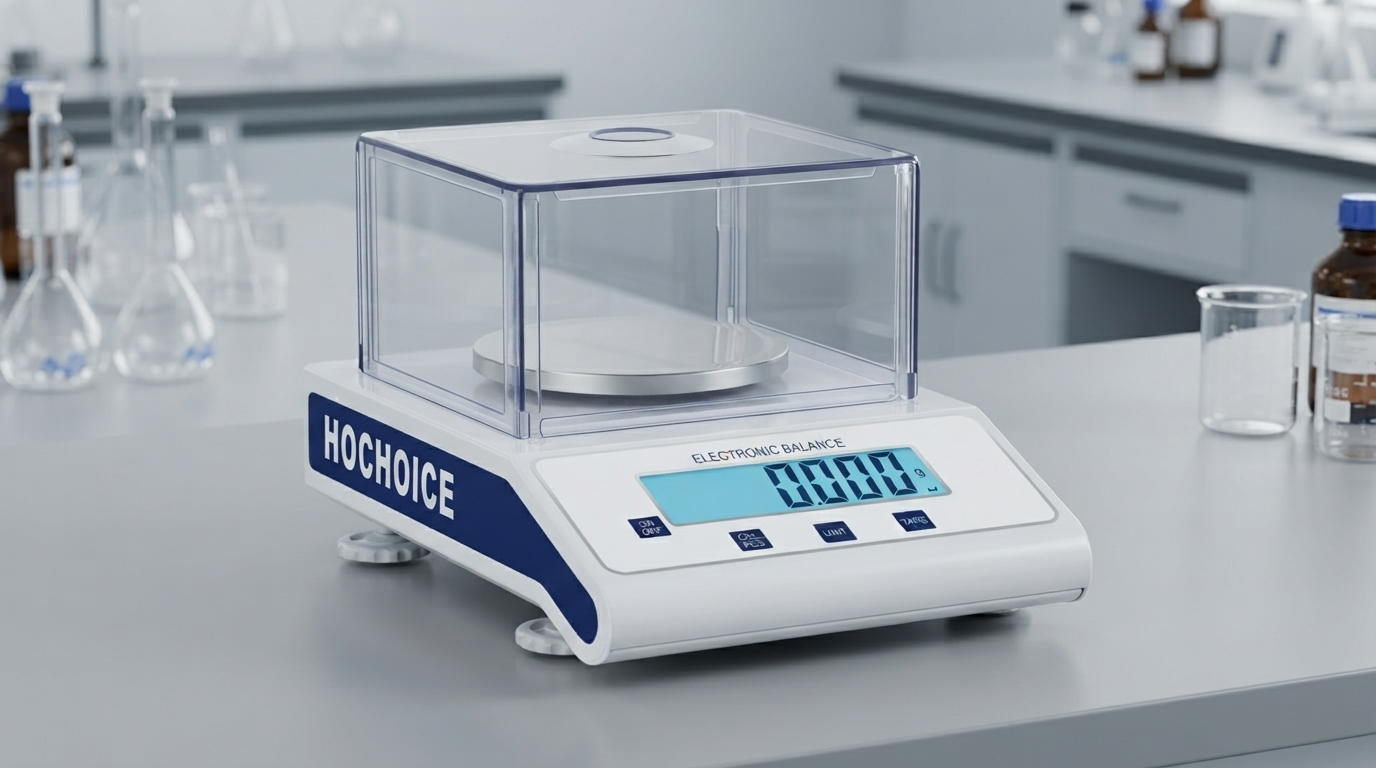
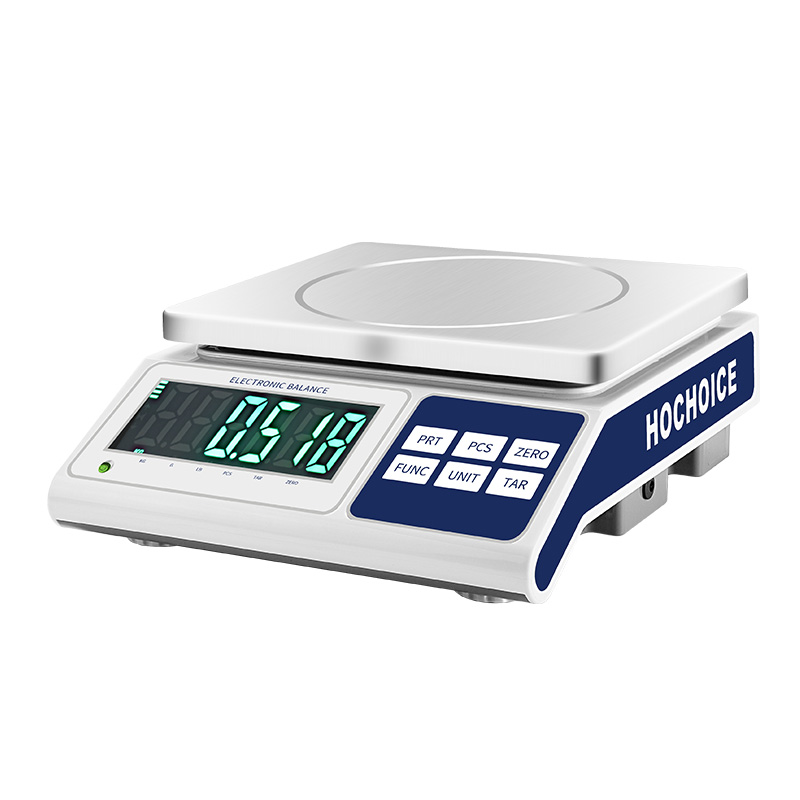
Precision grade: digital balance calibration0.01g and 0.1g precision digital balances follow a simplified workflow. F1 grade weights are standard, suitable for routine R&D and food testing. Daily zero checks between formal calibrations help maintain accuracy without extra workload.
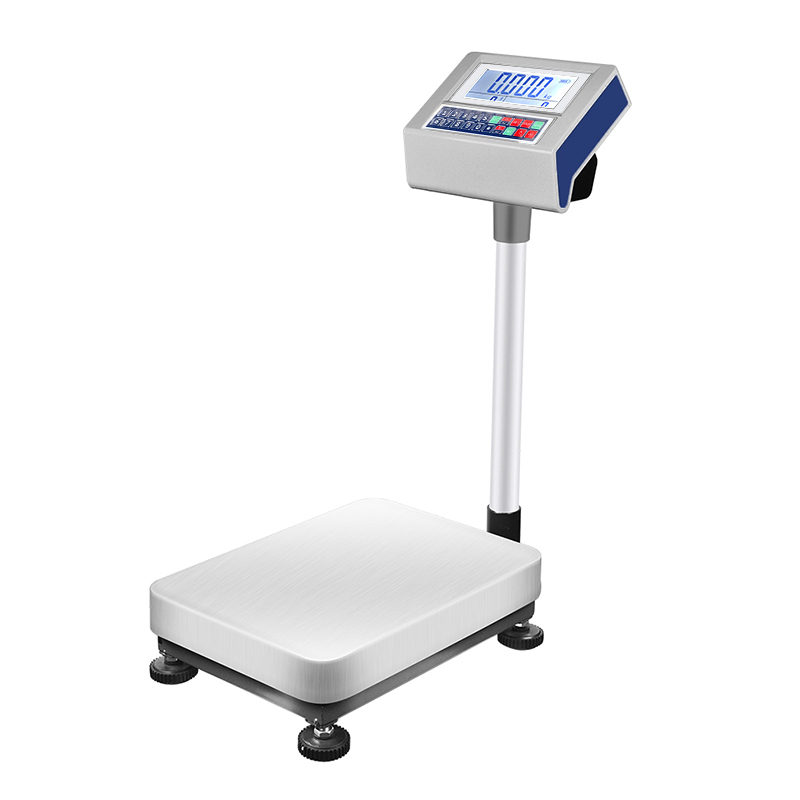
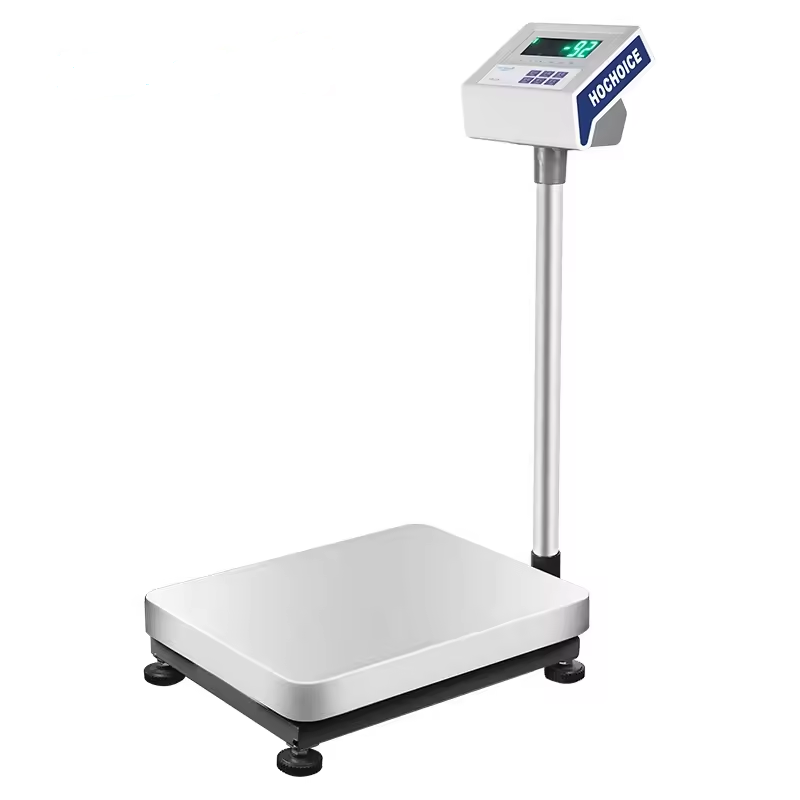
Industrial grade: calibration of electronic weighing balanceWorkshop and production-line weighing balances prioritize load stability and drift resistance. M1 grade weights can be used, but on-site vibration and temperature swings must be factored in, with shorter calibration cycles.
Preheat 30–60 minutes based on accuracy grade
Level the balance and perform zero reset
Place traceable standard weight gently at pan center
Run calibration program and wait for auto-correction
Remove weight, verify zero return and repeat 3–5 times
Document all results for traceability
❌ Using mismatched weight grades
❌ Skipping warm-up before calibration
❌ Only calibrating the center point
❌ No saved calibration records
❌ Treating zero reset as full calibration
Hochoice full-series balances support both manual weight calibration and automatic electronic calibration, with built-in log storage to meet GMP and ISO17025 compliance needs across all accuracy grades.