
When a digital scale not reading weight correctly or giving different results for the same sample, most operators immediately assume sensor failure. In reality, over 80% of accuracy issues stem from environmental, operational or maintenance factors — and most can be fixed in under 10 minutes without a technician.

Air currents from AC vents, fume hoods or even people walking past, plus micro-vibration from nearby machinery, are the #1 cause of fluctuating readings. This is especially noticeable when weighing light samples.Fix: Move the balance away from vents and equipment, close all windshield doors, and use an anti-vibration workbench if possible.
Static electricity affecting balance readings is widely overlooked, especially in dry environments, with powder samples or plastic containers. Electrostatic forces pull or push on the weighing pan, causing drift and inconsistent results.Fix: Maintain 40–60% room humidity, use anti-static containers, or install an ionizer near the balance. Ensure the unit is properly grounded.
Placing samples or weights off-center creates eccentric load error, so readings change depending on where the item sits on the pan.Fix: Always place samples and weights at the exact center of the weighing pan.
Samples taken directly from fridges, ovens or dryers create air convection around the pan, causing readings to slowly drift as temperature equalizes.Fix: Allow samples to reach room temperature before weighing. Avoid holding containers with bare hands.
Spilled sample, dust, grease or scratches add invisible weight and cause uneven loading.Fix: Clean the pan thoroughly with a soft lint-free cloth. Replace the pan if bent or deeply scratched.
Even a slight tilt changes how force applies to the sensor, causing systematic error and variable readings.Fix: Adjust the foot screws until the level bubble sits perfectly centered. Check level weekly and after any relocation.
Over time, sensor parameters drift naturally. If it’s been weeks or months since the last calibration, accuracy will gradually degrade.Fix: Perform full balance calibration with traceable standard weights. Follow recommended calibration cycles based on usage.
Repeatedly exceeding maximum capacity, or years of heavy use, can cause permanent sensor drift.Fix: If calibration no longer restores accuracy, contact technical support for inspection or sensor replacement.
Related Guide:How to Calibrate Electronic Balance: 6-Step Standard Procedure
Related Product:Hochoice Anti-Static Precision Balances
Get Support:Contact technical support for persistent accuracy issues
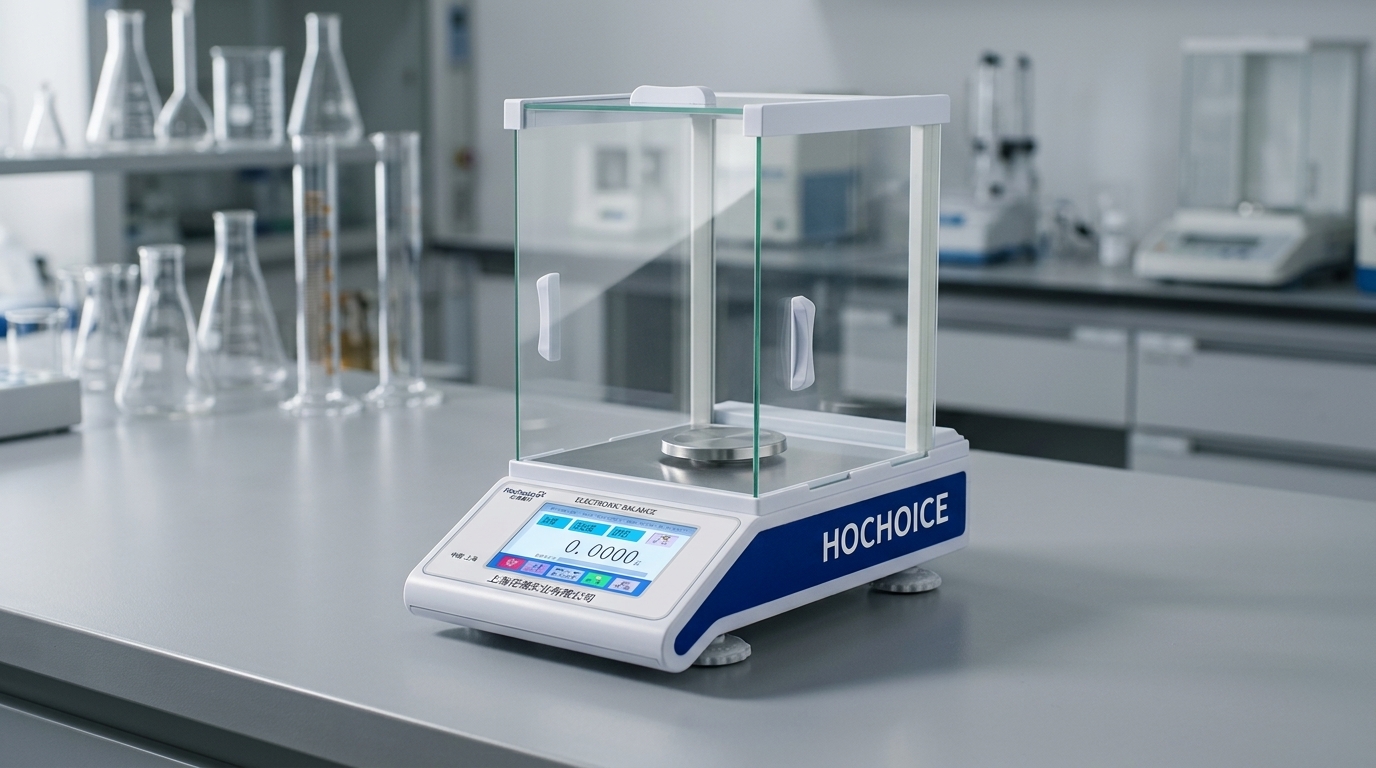
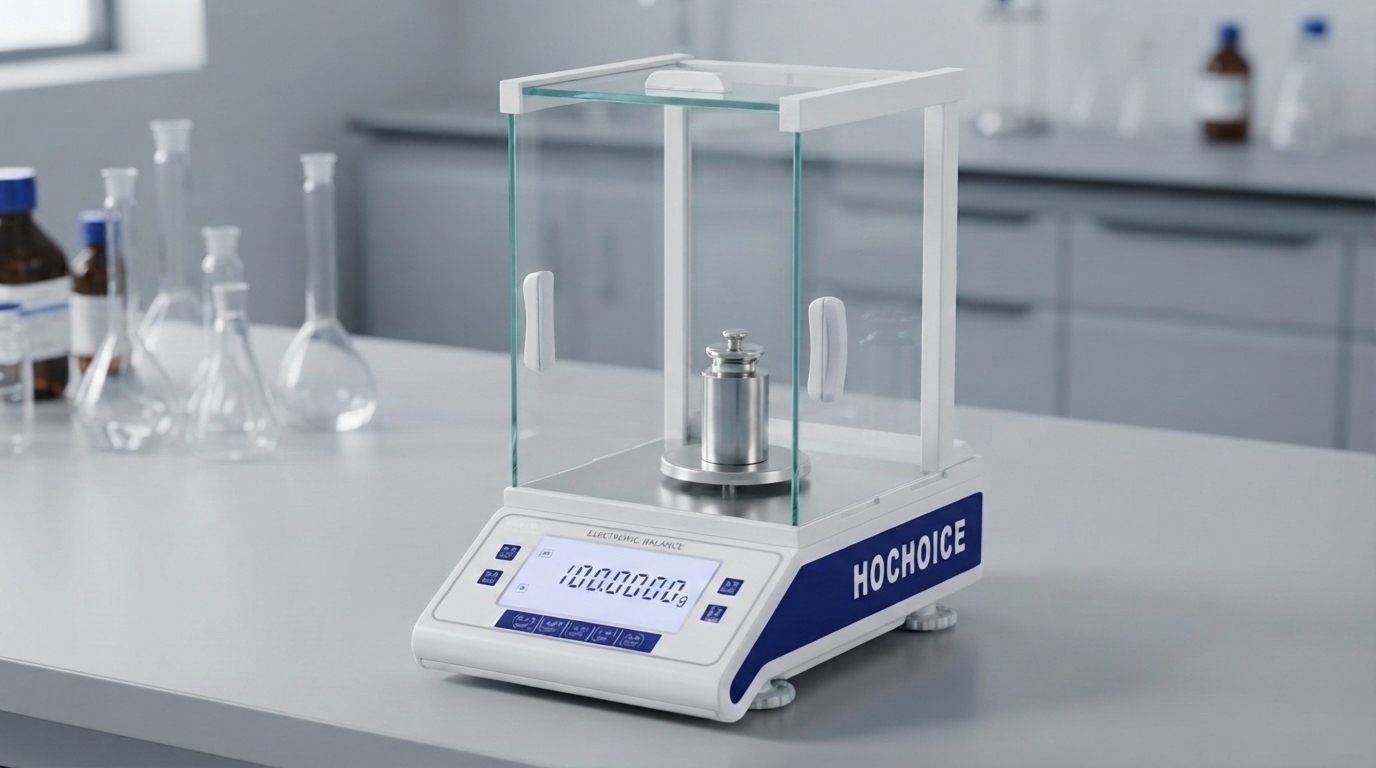
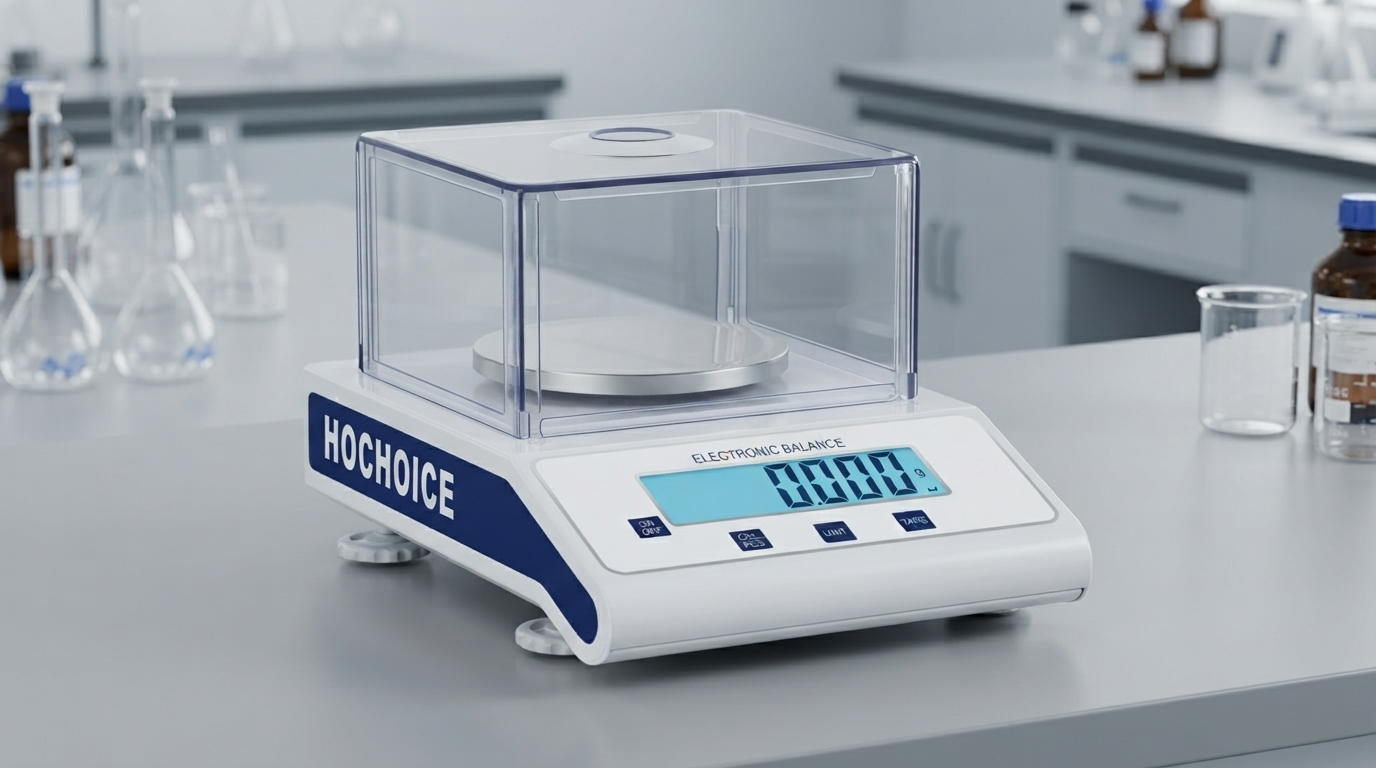
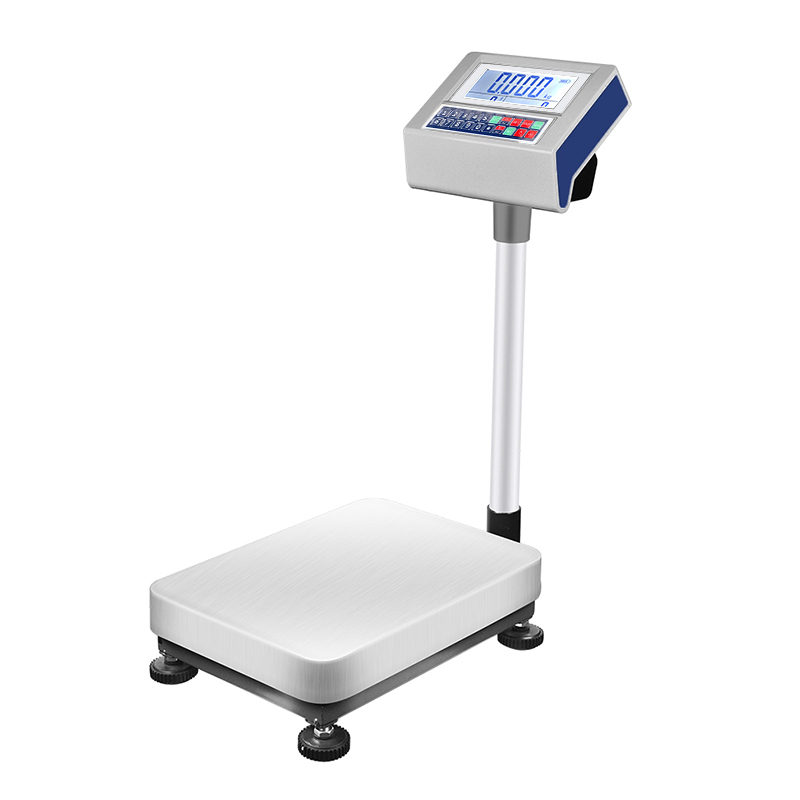
Hochoice precision balances feature built-in anti-static design, sealed sensors and stable reading technology, minimizing environmental interference and delivering consistent results even in busy lab environments.