

The difference between reliable long-term performance and ongoing issues lies in core technical design standards. Understanding these standards allows you to select equipment that matches your application, maintains accuracy and holds calibration reliably.
This is especially important in mature regional markets such as the japan electronic weighing scale market, where long-term reliability, consistent performance and after-sales support are high priorities for QC and laboratory operations.
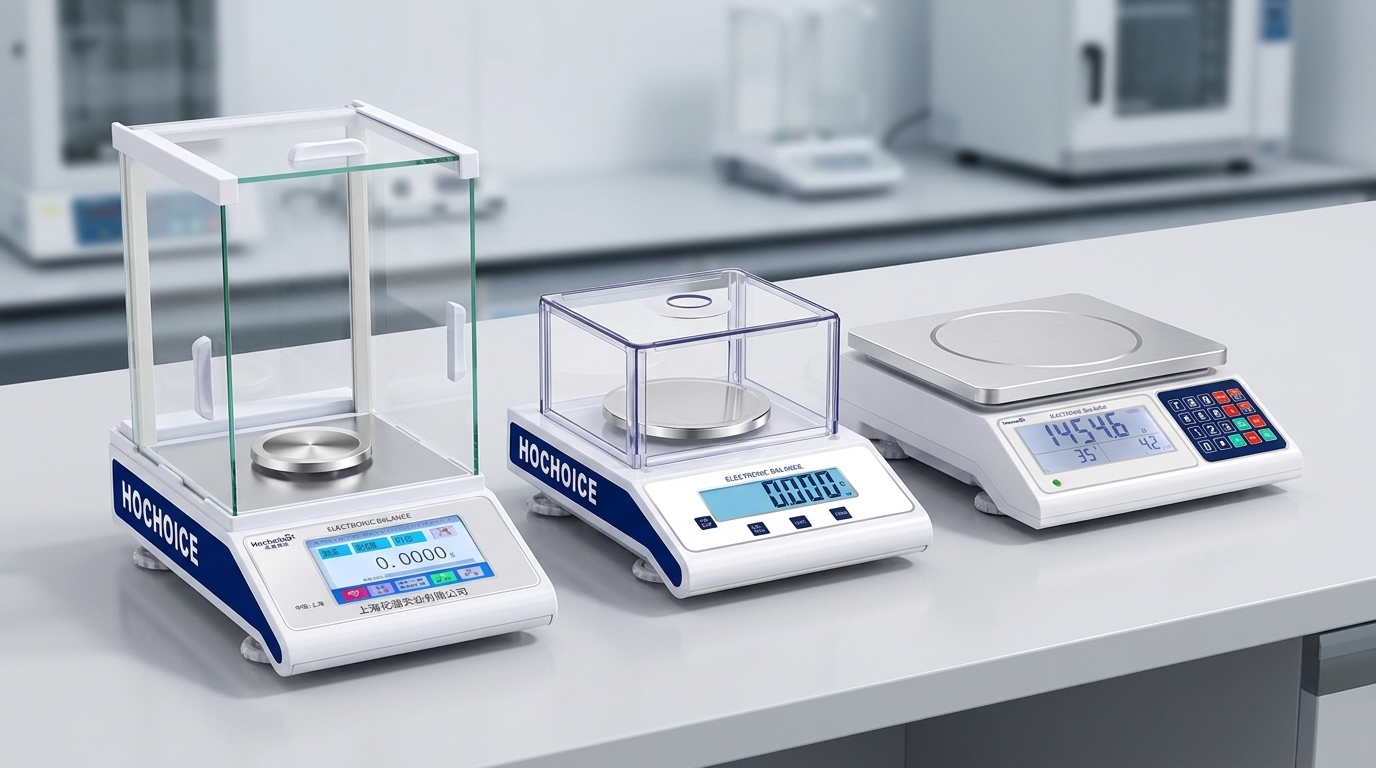
Actual weighing performance, not just display digitsReadability is the smallest digit on the display. Repeatability and linearity determine real accuracy.
Repeatability: how consistently the scale weighs the same sample
Linearity: accuracy consistency across the full weighing range
Eccentric load performance: consistency across different positions on the pan Good electronic weighing scale calibration depends on a sensor that delivers stable performance across all conditions.
Sensor technology
Strain gauge sensors: durable, cost-effective, suitable for industrial bench scales
Electromagnetic force restoration (EMFR): higher accuracy, better stability, required for precision and analytical balances Many budget scales advertise high readability but use cheaper sensor technology that cannot deliver matching real accuracy or stable digital balance calibration.
Calibration system designLook for balances that support both internal automatic calibration and external weight calibration. Good calibration design ensures:
Stable zero point between calibrations
Compatibility with certified traceable weights
Clear calibration prompts and verificationCalibration of electronic weighing balance is simpler and more reliable with well-designed calibration systems.
Environmental adaptability
Temperature compensation to offset ambient temperature changes
Vibration and draft resistance for industrial environments
Anti-static design for powder and plastic samples
Sealed sensor design for dust and moisture protection
Build quality and durability
Overload protection to prevent sensor damage
Rigid construction for long mechanical life
Quality materials that resist wear and corrosion
Industrial production QC: prioritize vibration resistance, dust protection and linear stability
Food and chemical testing: focus on temperature/humidity adaptation and repeatability
Pharmaceutical and analytical labs: require strict linearity, eccentric load performance and calibration traceability
Instead of selecting based on lowest upfront price, evaluate total long-term value:
Calibration stability and service requirements
Expected service life
Availability of support and spare parts
Downtime cost of unreliable equipment
Related Guide:Calibration of Electronic Balance: Complete Step-by-Step Guide
Related Product:Hochoice Full Range of Precision & Analytical Balances
Contact:Technical consultation and application matching support
Hochoice balances are engineered to meet strict technical standards across all performance categories, with factory-verified specifications and reliable electronic balance calibration stability for diverse laboratory and industrial applications.








