

The global electronic weighing scale market is projected to reach USD 4.98 billion in 2026, growing at a CAGR of 5.17% through 2032. While precision and capacity remain baseline selection criteria, the fastest-growing driver of purchasing decisions is now calibration compliance and measurement traceability.
Across pharmaceutical, food safety, medical device and industrial QC sectors, regulatory frameworks are becoming increasingly stringent. Governments and accreditation bodies require documented, traceable calibration of electronic weighing balance as part of quality management systems, pushing facilities to upgrade from basic scales to calibration-ready systems.
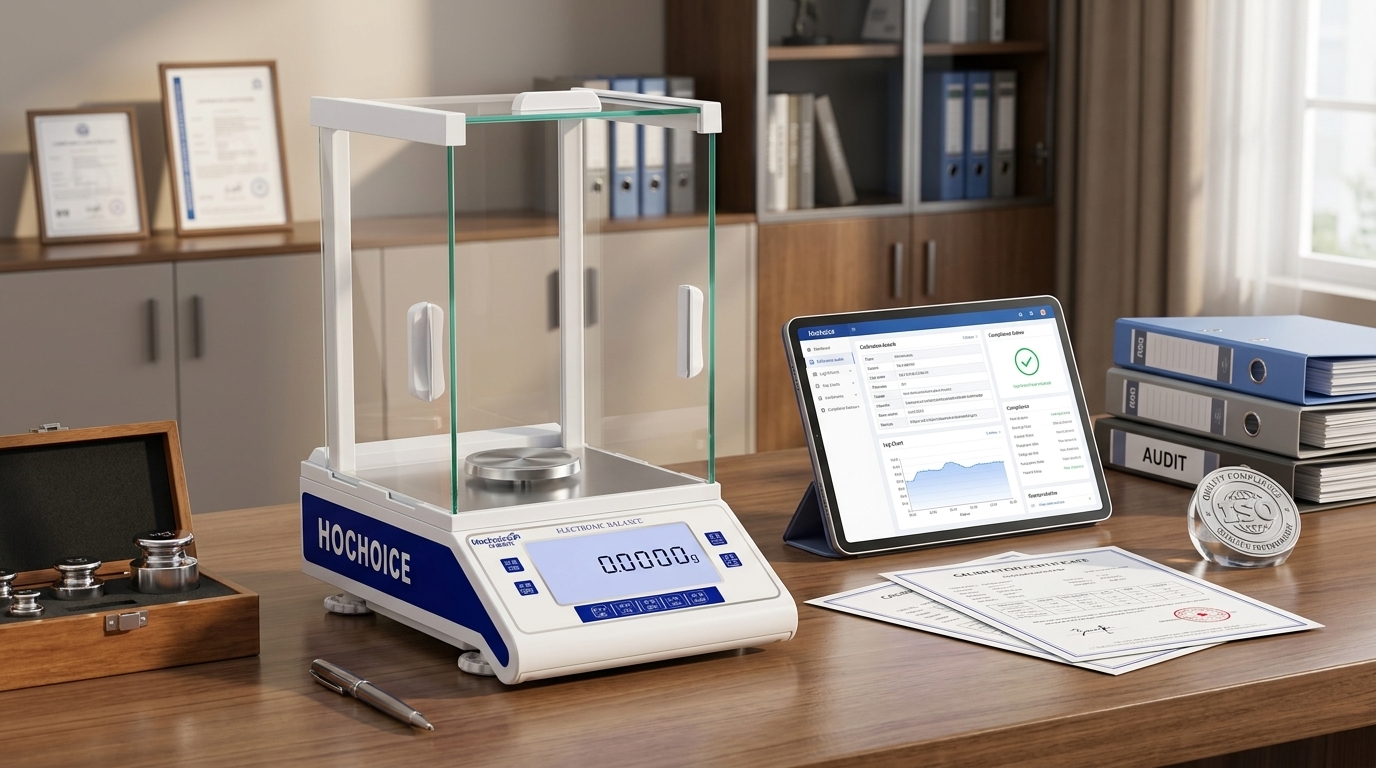
More than 69% of industrial facilities now prioritize precision calibration capabilities when selecting weighing equipment, up from 52% just three years ago. Non-compliant equipment risks audit failures, product holds and regulatory penalties in regulated sectors. This shift means buyers are evaluating total compliance value — including calibration support, documentation and traceability — rather than selecting based solely on upfront purchase price.
ISO 17025 and GMP-aligned quality systems require calibration performed with certified traceable weights and fully documented results. Modern balances now integrate:
Built-in calibration prompts and routines
Calibration data logging and storage
Audit-ready record export
Scheduled calibration reminders This makes routine electronic weighing scale calibration simpler, more consistent and fully auditable.
Nearly 62% of new installations include wireless connectivity, 57% support cloud monitoring, and 53% incorporate IoT integration. Smart systems can track calibration status, predict drift and alert operators before accuracy falls outside tolerance. This digital transformation is shifting the market from standalone hardware to integrated weighing ecosystems with ongoing service and support.
The japan electronic weighing scale market is a leading indicator of global trends. Facilities in the region place exceptionally high emphasis on:
Long-term calibration stability
Manufacturer-backed calibration service networks
Full compliance documentation
Consistent long-term performance This market prioritizes reliable measurement and compliance support over lowest initial cost, a pattern that is increasingly spreading to other mature markets.
When evaluating equipment for regulated environments:
Verify support for both internal automatic calibration and external weight calibration
Confirm compatibility with certified traceable calibration weights
Evaluate data logging and export capabilities for audit trails
Assess manufacturer calibration service availability
Review built-in quality control features and verification prompts
Related Guide:Calibration of Electronic Balance: Complete Step-by-Step Guide
Related Product:Hochoice Calibration-Ready Precision & Analytical Balances
Contact:Compliance consultation and calibration service planning
Hochoice balances are designed for modern compliance requirements, with stable calibration, built-in verification functions and full documentation support, helping facilities meet international quality standards across the electronic weighing scale market.








