

The global electronic weighing scale market is undergoing a significant shift driven by tightening regulatory requirements across pharmaceutical and biopharmaceutical sectors. The 2026 revision of USP Chapter <41> and enhanced enforcement of 21 CFR Part 11 have raised the bar for weighing equipment compliance, forcing laboratories to re-evaluate their calibration programs, documentation practices and equipment specifications.
For pharmaceutical QC and analytical laboratories, balances are no longer just measurement tools — they are regulated instruments generating legally enforceable audit trail records. Non-compliance can result in inspection observations, product holds and invalidated batch records.
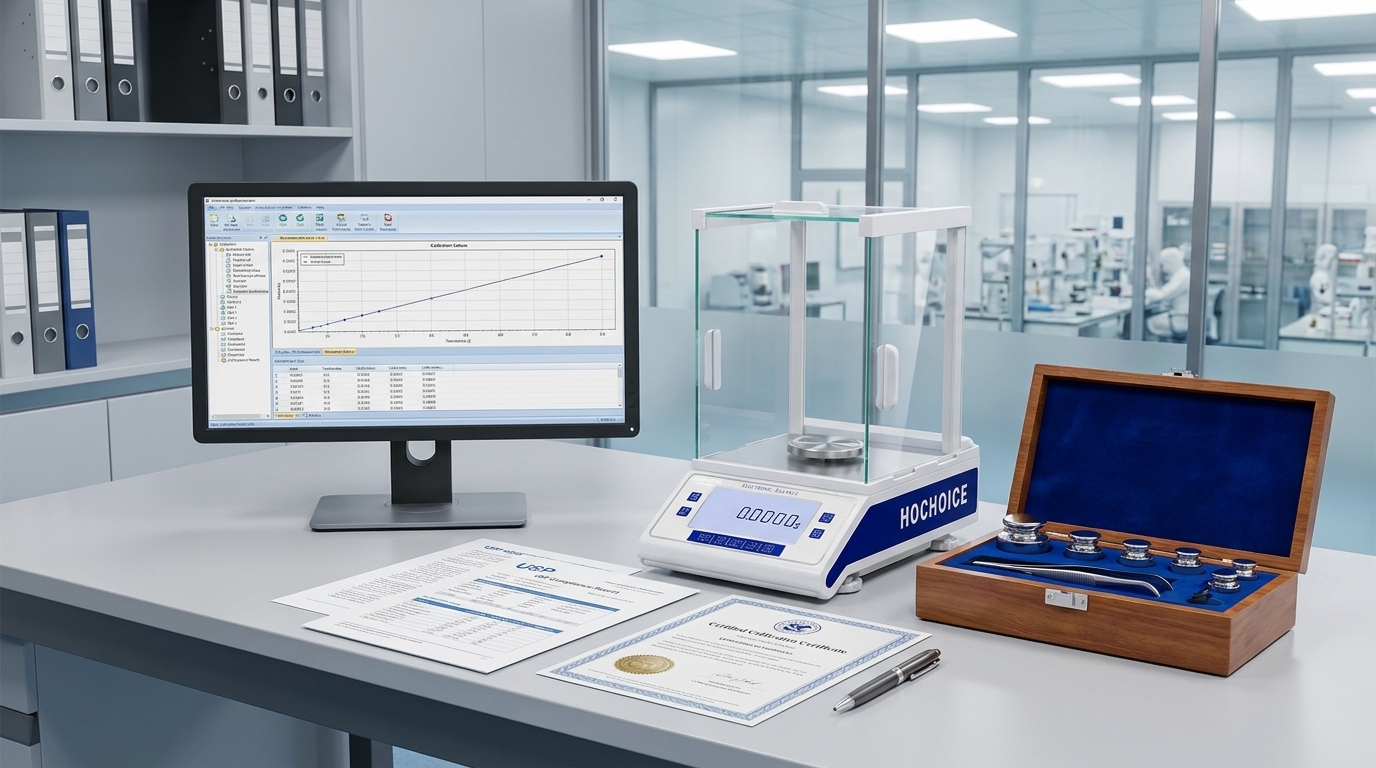
The 2026 USP <41> revision formally requires measurement uncertainty to be evaluated and documented as part of balance suitability determination. Calibration certificates must now include total measurement uncertainty values, not just pass/fail tolerance statements. This has rendered many existing calibration programs non-compliant.
Fixed calibration schedules are no longer acceptable. Facilities must now establish calibration frequency based on risk assessment factors including:
Process criticality
Historical performance data
Usage intensity
Environmental conditions
Equipment age and wear Critical QC balances typically require calibration every 3–6 months; supporting instruments every 6–12 months.
Internal calibration alone is not sufficient for GMP compliance. Formal calibration of electronic weighing balance must use traceable certified reference weights, and calibration certificates must document complete traceability to national metrology standards.
Laboratories must implement a risk-based program of periodic performance checks between formal calibrations. These include zero verification, single-point weight checks and repeatability assessments, providing ongoing evidence that the balance remains within acceptable limits.
Electronic weighing records must meet full 21 CFR Part 11 requirements for electronic records and signatures. This includes audit trail protection, access controls, time-stamped records and data immutability.
Any event that may affect balance performance — relocation, repair, adjustment, overload — requires calibration documentation both before and after the event.
The japan electronic weighing scale market has long been at the forefront of regulatory compliance. Pharmaceutical and biotech facilities in the region typically implement stricter internal standards than minimum global requirements, including:
More frequent calibration verification
Mandatory accredited external calibration
Thorough uncertainty budgeting
Comprehensive documentation systems This emphasis on rigorous compliance is increasingly becoming the global benchmark as regulatory standards converge.
When selecting balances for pharmaceutical QC:
Verify support for both internal routine calibration and external traceable calibration
Ensure data output and logging capabilities meet 21 CFR Part 11 requirements
Evaluate manufacturer support for calibration services and documentation
Confirm compatibility with LIMS and electronic quality systems
Select models with sufficient performance to meet uncertainty budgets
Related Guide:Internal vs External Balance Calibration: Complete Comparison Guide
Related Product:Hochoice GMP-Compliant Precision & Analytical Balances
Contact:Pharma compliance consultation and calibration service planning
Tightening regulatory requirements across the electronic weighing scale market are redefining what constitutes acceptable weighing equipment. Laboratories that proactively update their calibration programs and equipment will maintain compliance and avoid costly audit findings.








