

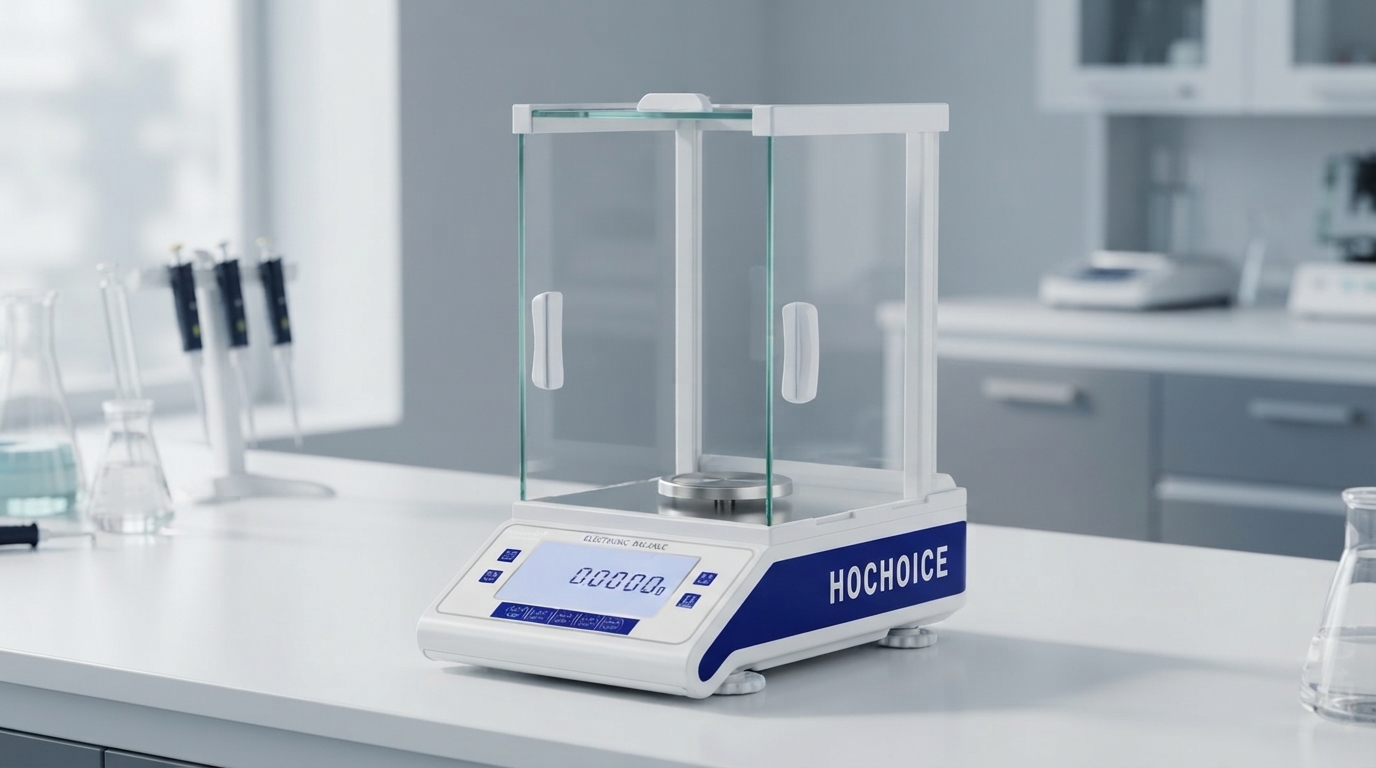
An analytical balance is designed to measure small changes in mass. To obtain consistent results, the instrument must be operated under appropriate environmental conditions and according to the manufacturer's instructions.
One frequently overlooked factor is warm-up time.
Starting a weighing task immediately after switching on a balance may produce less stable results than allowing the instrument to reach its specified operating condition.
However, there is no single warm-up time that applies to every laboratory balance. The appropriate period depends on the model, sensor technology, operating environment and manufacturer specifications.
An analytical balance contains electronic and mechanical components that can be affected by temperature changes.
After power-up, the instrument may need time to reach a stable operating condition.
Insufficient stabilization can contribute to:
Fluctuating readings
Zero-point drift
Inconsistent repeatability
Longer stabilization after placing a sample
Differences between consecutive measurements
These symptoms can also have other causes, including airflow, vibration and static electricity. Warm-up should therefore be considered one part of the overall weighing procedure.
The manufacturer's specification should always be the starting point.
For example, HOCHOICE lists a 30-minute warm-up time for its HC1003X–HC5003X series of 0.001g analytical balances.
For the listed 0.0001g analytical balance models, the specified warm-up time is 180 minutes.
These differences demonstrate why laboratories should not apply one universal warm-up rule to all balances.
Before use, check the technical documentation for the exact model and follow its specified operating procedure.
These two specifications describe different aspects of balance operation.
Warm-up time refers to the recommended period after power-up before the instrument is used for its intended weighing tasks.
Stabilization time refers to how long the display takes to reach a stable reading under specified conditions after a load is applied.
For example, a balance may have a specified stabilization time of five seconds. That does not mean it is ready for high-precision work five seconds after power-up.
Both specifications matter when evaluating laboratory weighing equipment.
Even after the recommended warm-up period, environmental disturbances can affect weighing performance.
Important factors include:
Avoid placing the balance near heaters, direct sunlight or other sources of rapid temperature change.
Air-conditioning vents, fans and open windows can disturb sensitive measurements.
Install the balance on a stable, level workbench away from vibrating machinery.
Plastic containers, lightweight samples and powders can accumulate static charges that affect weighing results.
Allow samples to reach an appropriate temperature before weighing when the application requires it.
A suitable laboratory environment helps the instrument deliver more consistent results.
Before starting a weighing session, follow a consistent procedure:
Switch on the balance according to the operating instructions.
Allow the specified warm-up period.
Confirm that the balance is correctly leveled.
Check that the weighing pan is clean and unobstructed.
Ensure the display is stable with an empty pan.
Verify calibration or performance checks according to laboratory procedures.
Begin weighing only when the instrument is ready for the intended application.
For laboratories working under formal quality-management procedures, these checks should be incorporated into the relevant SOP.
Not necessarily.
A longer warm-up period cannot correct every weighing problem.
If readings remain unstable, investigate other potential causes, such as drafts, vibration, contamination, incorrect leveling or calibration issues.
The best approach is to follow the manufacturer's specifications and evaluate the complete weighing environment rather than assuming that more warm-up time will solve every problem.
Analytical balance warm-up time is an important consideration in laboratory weighing, especially when working with high-resolution instruments.
The correct procedure depends on the specific model and its operating requirements.
Laboratories should evaluate warm-up time, stabilization time, repeatability, calibration method and environmental conditions together when selecting analytical balances.
HOCHOICE provides analytical balances and precision electronic balances for laboratory, pharmaceutical, chemical and research applications.








