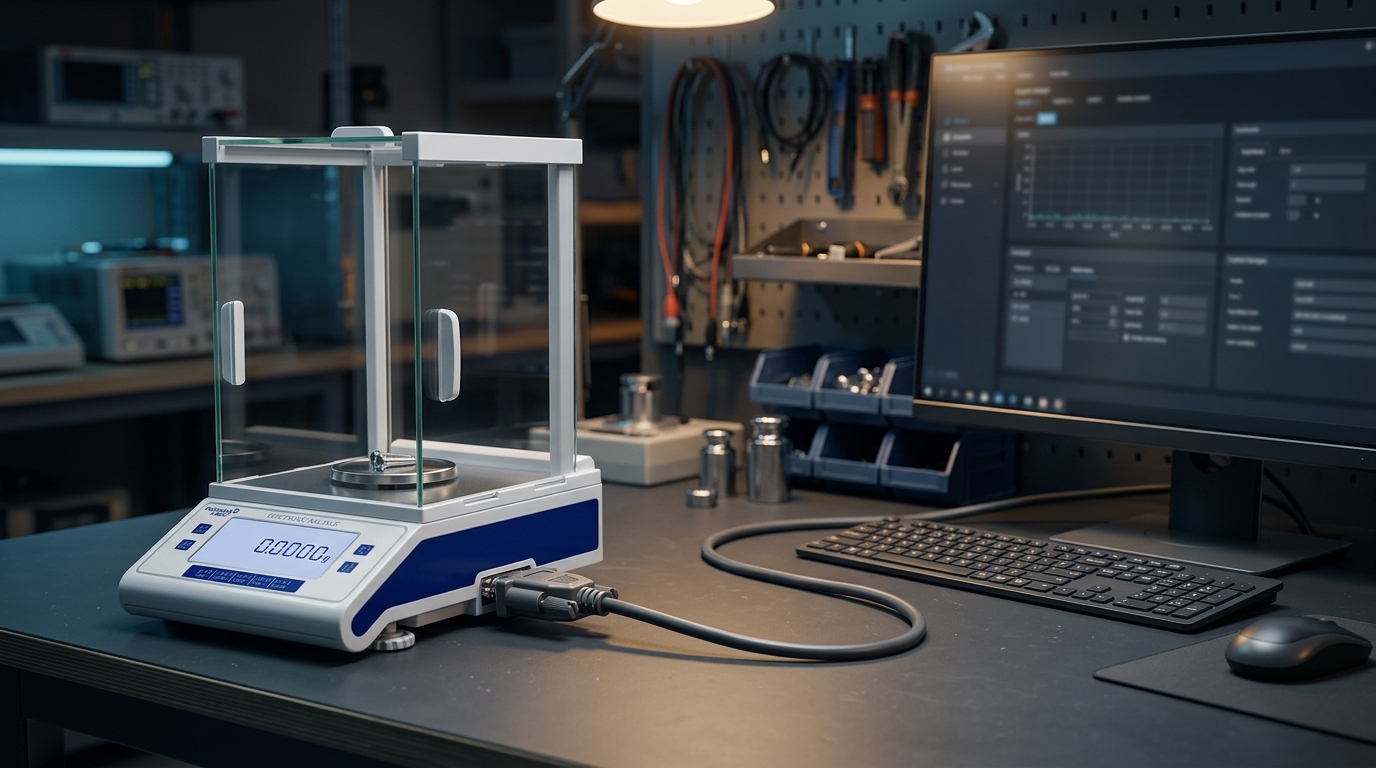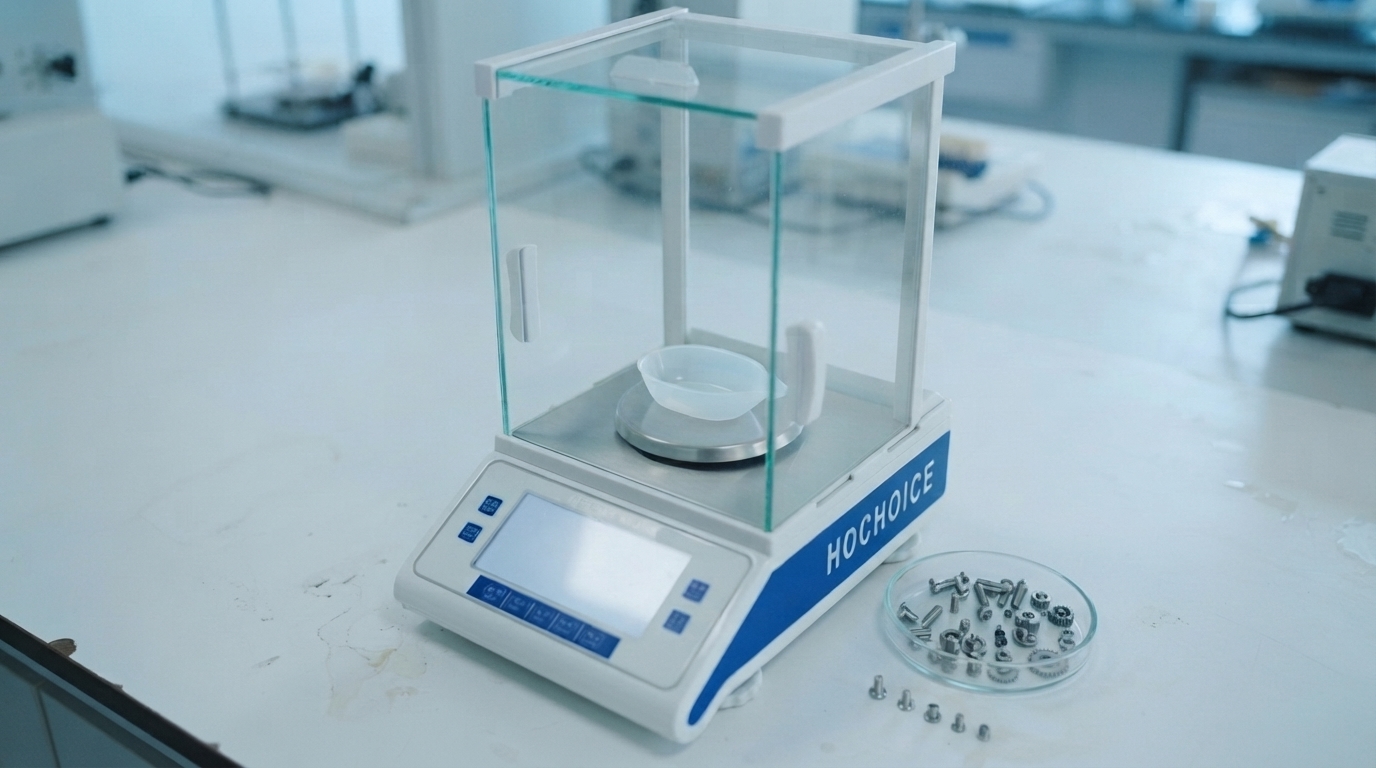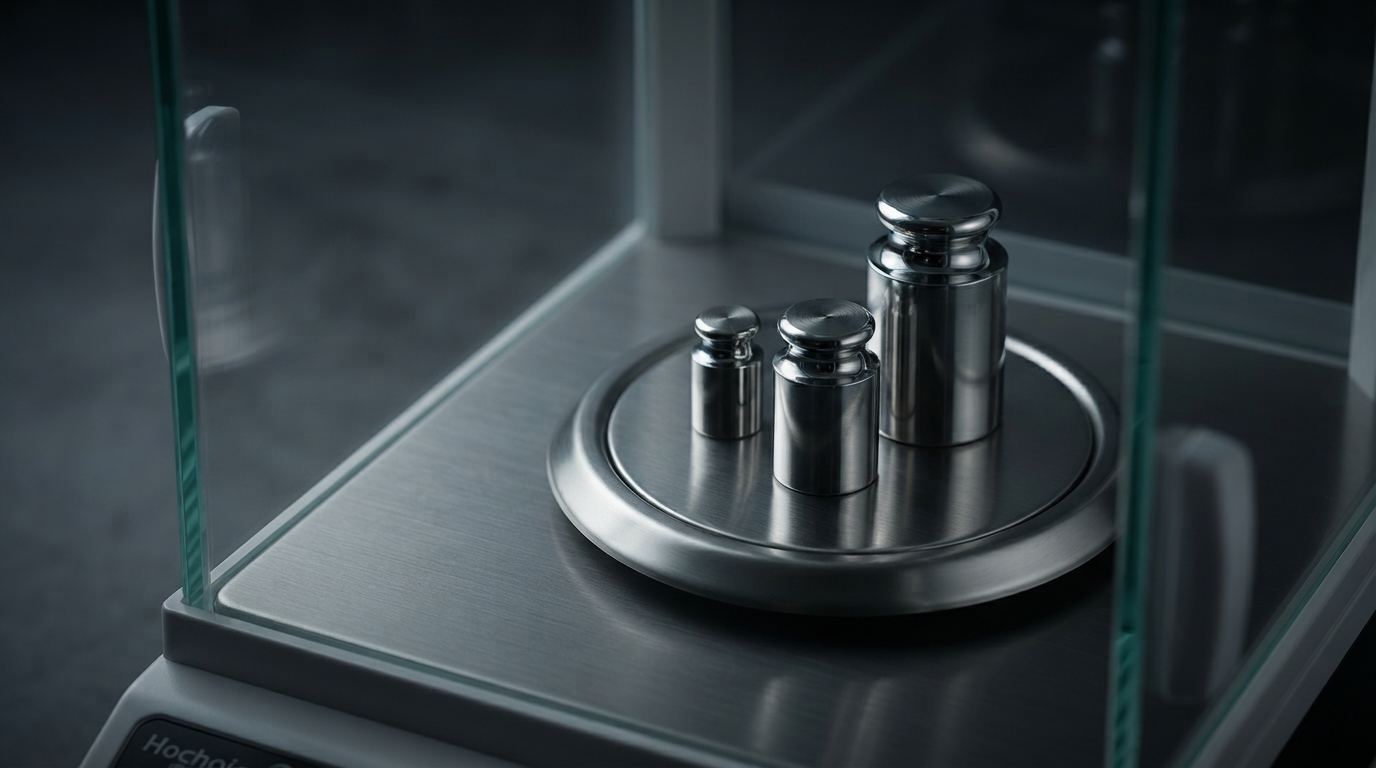

Analytical balance repeatability error — the variation in readings when weighing the same sample multiple times — is one of the most critical performance metrics for precision weighing. Poor repeatability invalidates test data, wastes samples and undermines audit confidence. While some variation is inherent to high-precision measurement, excessive error almost always stems from identifiable, fixable causes
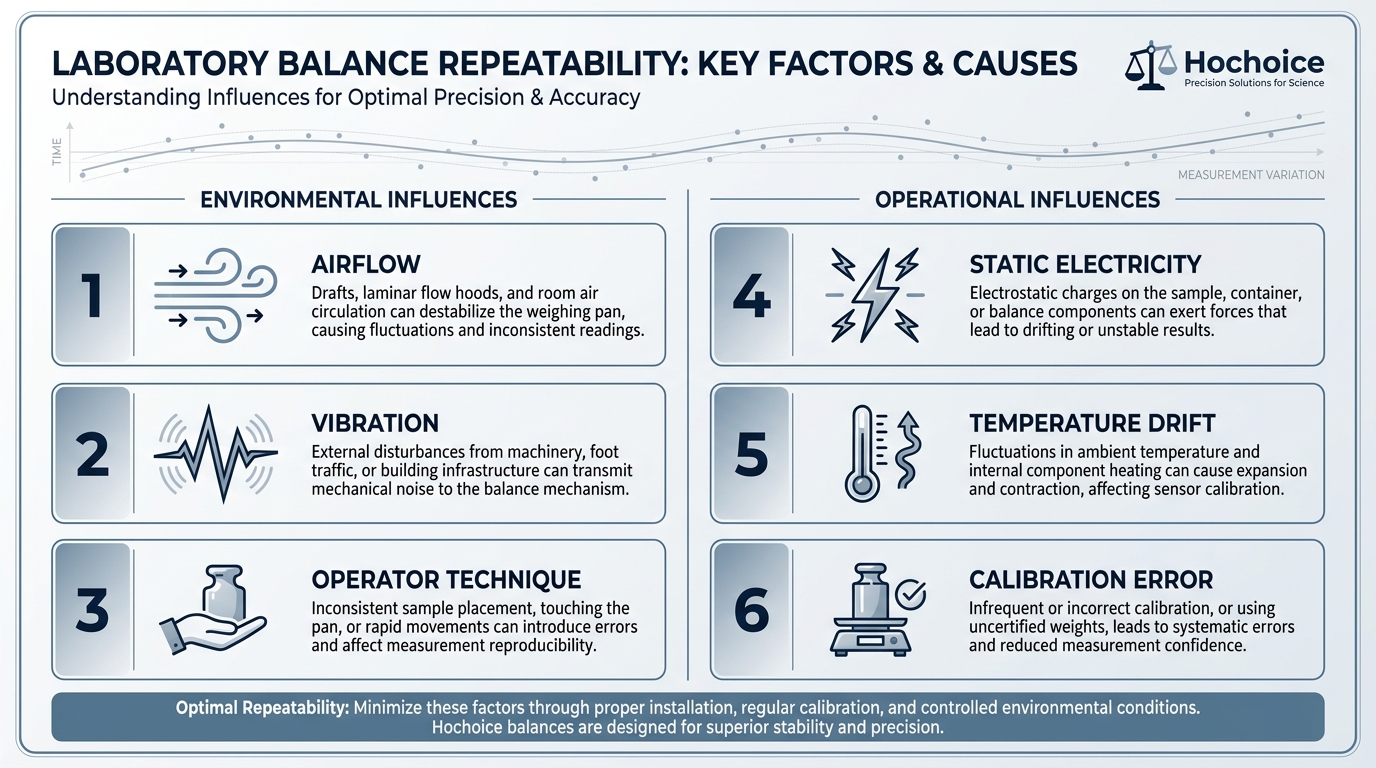
Air current and turbulenceEven 0.1 m/s of air movement can create measurable force on a microgram-level balance. Open draft shields, room ventilation and thermal convection all contribute to random measurement variation. This is the single largest contributor to poor repeatability for most labs.Fix: Always close all draft shield doors before reading. Calibrate and weigh in a draft-free environment.
Vibration and structural noiseFloor and bench vibration from equipment or foot traffic introduces random error into each measurement, increasing standard deviation and reducing repeatability. The effect is often subtle but cumulative over multiple readings.Fix: Use a rigid anti-vibration weighing table. Locate the balance in a low-traffic area away from machinery.
Inconsistent operator techniqueDifferent placement positions, bare-hand handling of vessels, varying wait times before reading — all introduce operator-dependent variability that appears as balance error. This is especially common in multi-shift QC environments.Fix: Standardize weighing procedures: always center samples, use tweezers, wait for stability indicator before recording.
Static charge on samplesElectrostatic charge on plastic weighing boats, glassware or powder samples creates variable force on the pan, causing readings to drift differently each time. Dry climates and winter heating make this much worse.Fix: Ground the balance properly. Use anti-static containers. Humidify the room if needed.
Temperature drift during measurementSensor temperature changes between measurements cause baseline shift, so successive readings differ even with the same weight. This is common if warm-up time is insufficient or room temperature fluctuates.Fix: Preheat the balance for 30–60 minutes before use. Keep room temperature stable within ±1°C during testing.
Calibration drift or off-center errorAged calibration, or calibration that only tests the center point, hides eccentric load error and baseline drift that reveal themselves as poor repeatability across different pan positions.Fix: Recalibrate with certified weights. Perform corner load tests to verify performance across the full pan surface.
To confirm repeatability meets specification:
Preheat the balance fully and calibrate
Place a test weight at pan center
Weigh 10 consecutive times, removing and replacing each time
Calculate standard deviation
Compare to manufacturer specification
Related Guide:Digital Scale Fluctuating? Complete Environmental Troubleshooting
Related Product:Hochoice High-Precision Analytical Balances
Get Support:Schedule professional repeatability verification service
Hochoice analytical balances deliver industry-leading repeatability performance, with temperature-compensated sensors, rigid anti-vibration frames and draft-resistant chamber design, ensuring consistent results you can trust for critical QC and research work.