
Gravimetric analysis is a quantitative laboratory technique in which the amount of a substance is determined from a measured mass. Filter paper may be used to collect a precipitate or separate a solid from a liquid, making its handling and weighing an important part of some analytical procedures.
The required weighing method depends on the analytical procedure. In some methods, the filter paper is weighed before use. In others, the precipitate and filter are dried, ignited, or processed using a specified procedure before the final mass is determined.
Understanding the method is essential because moisture, contamination, and incomplete processing can influence the final result.
Before weighing, review the approved procedure to determine exactly what must be measured.
Some procedures require a pre-weighed filter paper. Others use a prepared crucible or a filter-and-residue combination. Certain methods require the collected material to be dried to a defined endpoint or converted into a form suitable for final weighing.
Do not assume that the same weighing sequence is appropriate for every gravimetric method. The analytical procedure determines which materials must be included in the final measurement.
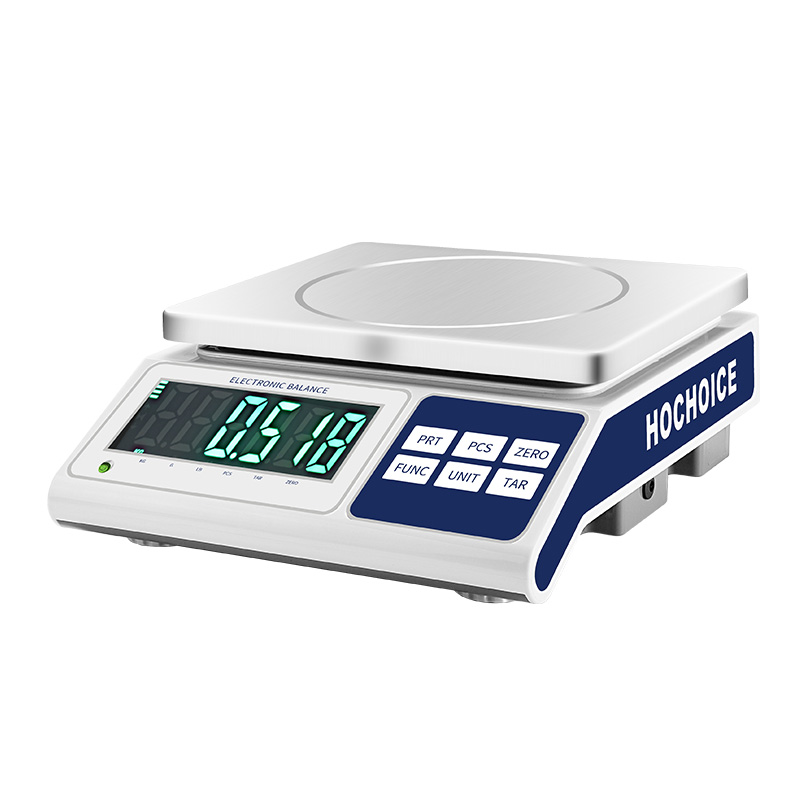
The balance should be appropriate for the mass being measured and the uncertainty permitted by the method.
Consider readability, repeatability, linearity, capacity, and the expected mass of the filter paper and collected material. A balance that is suitable for routine laboratory weighing may not meet the requirements of every trace-level analysis.
Also consider the size of the filter paper, weighing container, or crucible. The complete load must remain within the rated capacity of the instrument.
Paper can absorb moisture from the surrounding air. Depending on the environmental conditions and the method, changes in moisture content can influence its measured mass.
Follow the prescribed drying and conditioning procedure when one is specified. If the method requires a desiccator or controlled cooling period, follow those instructions before weighing.
Avoid leaving prepared filter paper exposed to the laboratory atmosphere longer than necessary. Use a consistent handling sequence and follow the analytical method's requirements for transferring the paper to the balance.
Handling can introduce contamination or alter the condition of the filter paper.
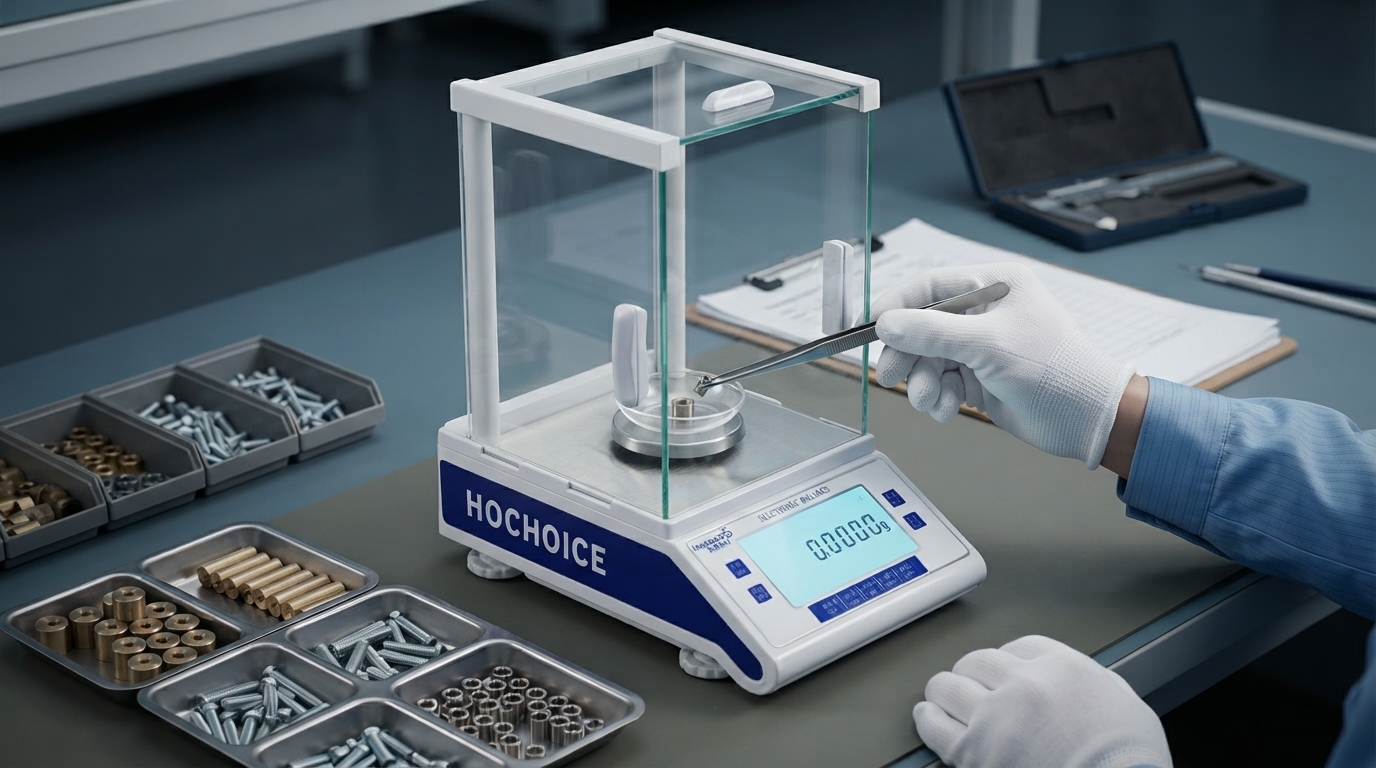
Use clean forceps or another suitable handling tool when required by the procedure. Avoid touching the weighing area or paper with contaminated gloves or tools.
Keep the paper away from liquids, powders, and residues that are unrelated to the analysis. If the paper is damaged, contaminated, or exposed to unsuitable conditions, assess whether it remains suitable for the method.
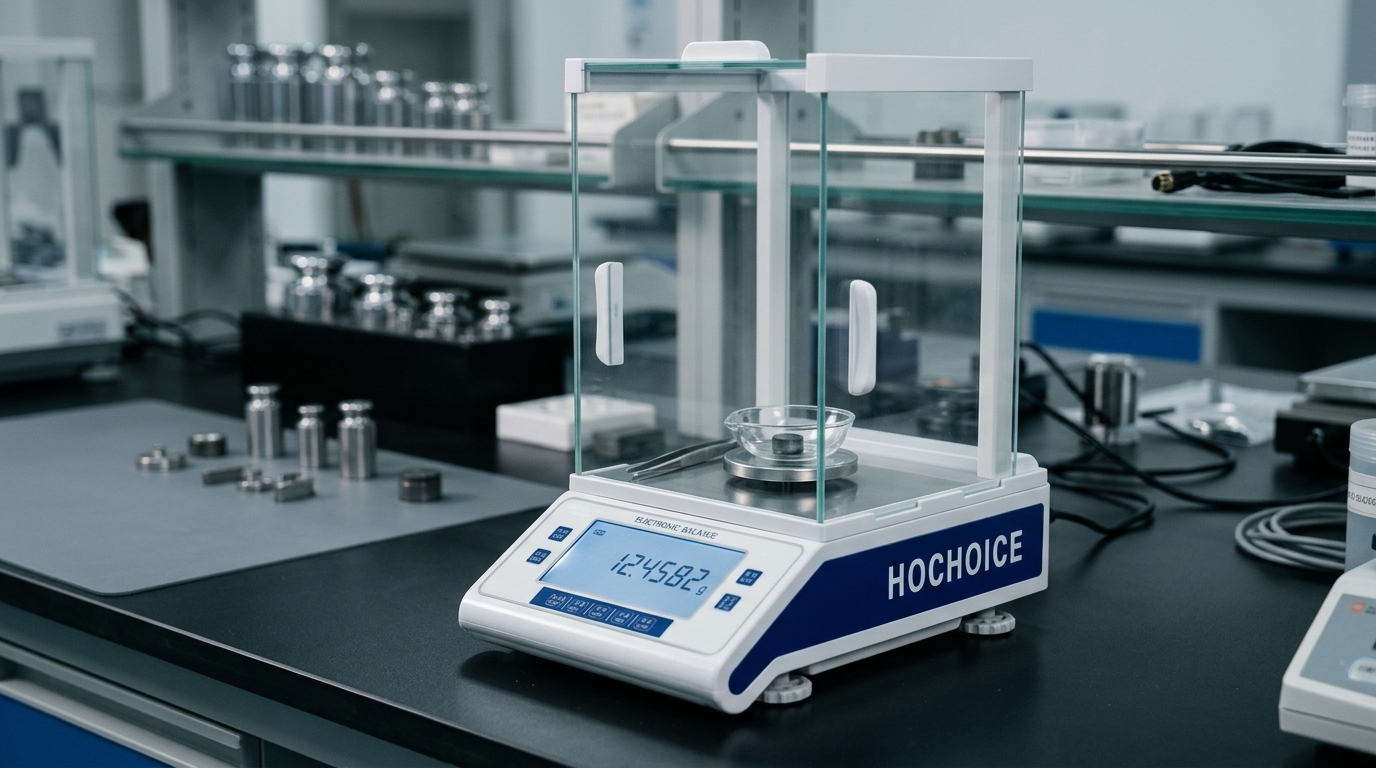
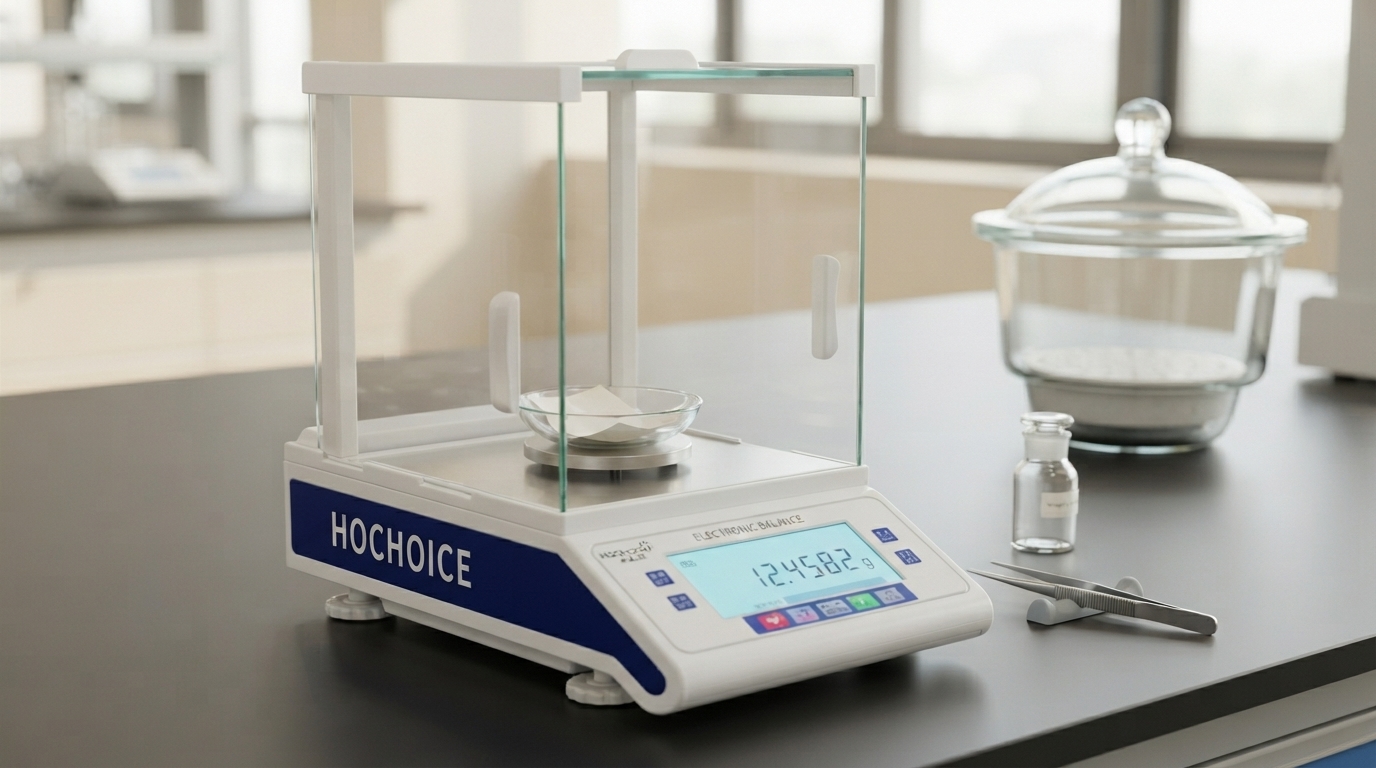
Place the prepared filter paper or designated weighing vessel on the balance according to the method. Close the draft shield when the instrument is equipped with one and the procedure calls for it.
Allow the displayed value to stabilize before recording the mass. Confirm the unit and ensure that the instrument's operating conditions are appropriate for the required measurement.
If readings vary unexpectedly, investigate possible environmental influences, handling effects, moisture changes, and instrument performance rather than assuming that the paper itself is responsible.
Some gravimetric procedures determine the mass of a collected residue by subtracting a previously measured mass from a final mass.
For example, if the method specifies weighing a container before and after a process, the mass difference can be calculated as:
Residue mass = final combined mass − initial container mass
This calculation is valid only when the two measurements correspond to the exact procedure and the same relevant components. If the filter, crucible, or other material changes during drying, ignition, or processing, the method's specific calculation rules must be followed.
Do not substitute a simple subtraction formula for a validated procedure that uses a different sequence.
Record the sample identifier, relevant filter or container identification, measured masses, unit, date, and any preparation details required by the method.
When repeated measurements are required, retain the individual results rather than recording only a final calculated value. This makes it easier to review unexpected differences and identify possible sources of error.
Follow the laboratory's established documentation and quality procedures.
Reliable filter paper weighing in gravimetric analysis depends on the analytical method, appropriate balance performance, controlled moisture exposure, careful handling, and correct calculations.
Because gravimetric procedures vary, always follow the method's instructions for drying, conditioning, weighing, and calculating the final result.