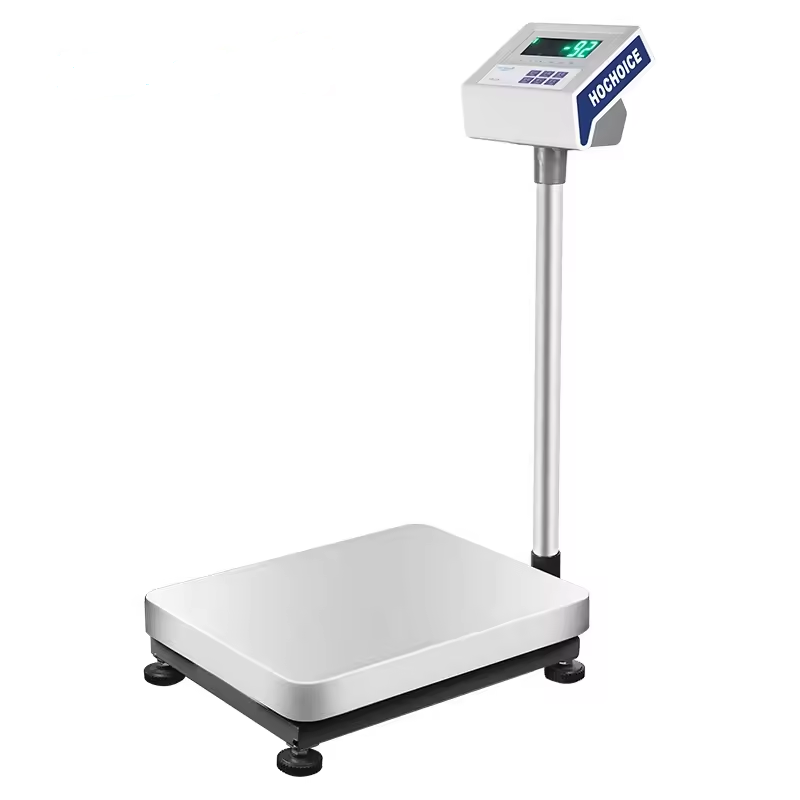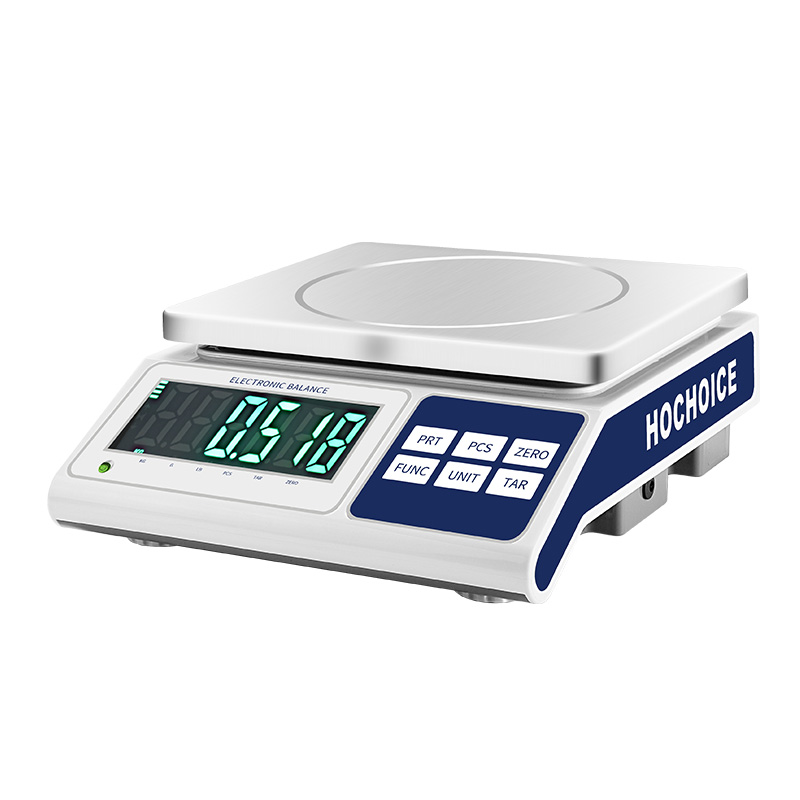

Halogen moisture analyzers are widely used in pharmaceutical, food, chemical and material QC for their fast testing speed and easy operation. However, more than 65% of daily testing deviations are not caused by equipment defects, but by controllable operational and environmental factors. Mastering systematic troubleshooting can greatly reduce rework rates and avoid misjudgment of product quality.
1. Poor repeatability of parallel tests
This is the most frequently reported problem: multiple tests on the same batch of samples show obvious differences, and the data cannot be reproduced. The main causes are uneven sample mixing, inconsistent sample thickness, and sample moisture absorption/loss during transfer.
Troubleshooting: Fully homogenize samples before testing; control sample thickness within 2mm, and crush large solid particles; seal samples well and test immediately after sampling to minimize exposure to air.
2. Results consistently lower than oven method
When test values are systematically lower than standard oven method results, it usually means internal moisture is not fully released. Common reasons include too thick sample stacking, too short drying time, and too low heating temperature. Samples with high sugar or oil content are also prone to surface crusting, which traps internal moisture.
Troubleshooting: Spread samples into a thin uniform layer; extend drying time appropriately; for easily crusting samples, mix with quartz sand to break the surface crust and ensure full evaporation of internal moisture.
3. Results consistently higher than true value
High readings are usually caused by sample overheating, oxidation or splashing. If the heating temperature is set too high, the sample surface scorches and decomposes, causing extra weight loss that is misjudged as moisture. Sample splashing during boiling also leads to false high results.
Troubleshooting: Lower heating temperature for heat-sensitive materials; reduce starting temperature and use gradient heating mode; clean the heating chamber and protective glass regularly to avoid contamination affecting weighing accuracy.
4. Unstable readings and long stabilization time
Continuous data drift and slow stabilization are mostly related to environmental interference. Air flow from air conditioners and fume hoods, vibration from surrounding equipment, and large ambient temperature fluctuations will affect the built-in weighing sensor.
Troubleshooting: Place the instrument away from air vents and vibration sources; close the heating chamber completely during testing; preheat the instrument for 30 minutes before use to ensure stable sensor status.
5. Calibration failure and systematic deviation
Long-term use, position movement and temperature changes will cause sensor drift. If calibration is not performed on schedule, systematic deviation will accumulate. Many users also ignore zero calibration after replacing sample pans, resulting in baseline offset.
Troubleshooting: Perform weight calibration monthly and after each position move; re-zero every time the sample pan is replaced; use traceable standard weights for calibration to ensure metrological traceability.
6. Sample contamination and sensor damage
Powder spillage and liquid splashing during testing will enter the weighing chamber and contaminate the sensor. Over time, this causes zero drift, reduced sensitivity and even permanent sensor damage. Corrosive samples accelerate this process.
Troubleshooting: Clean the sample pan and heating chamber after each test; avoid overfilling samples to prevent splashing; use sample pans with edges for liquid and powder samples.
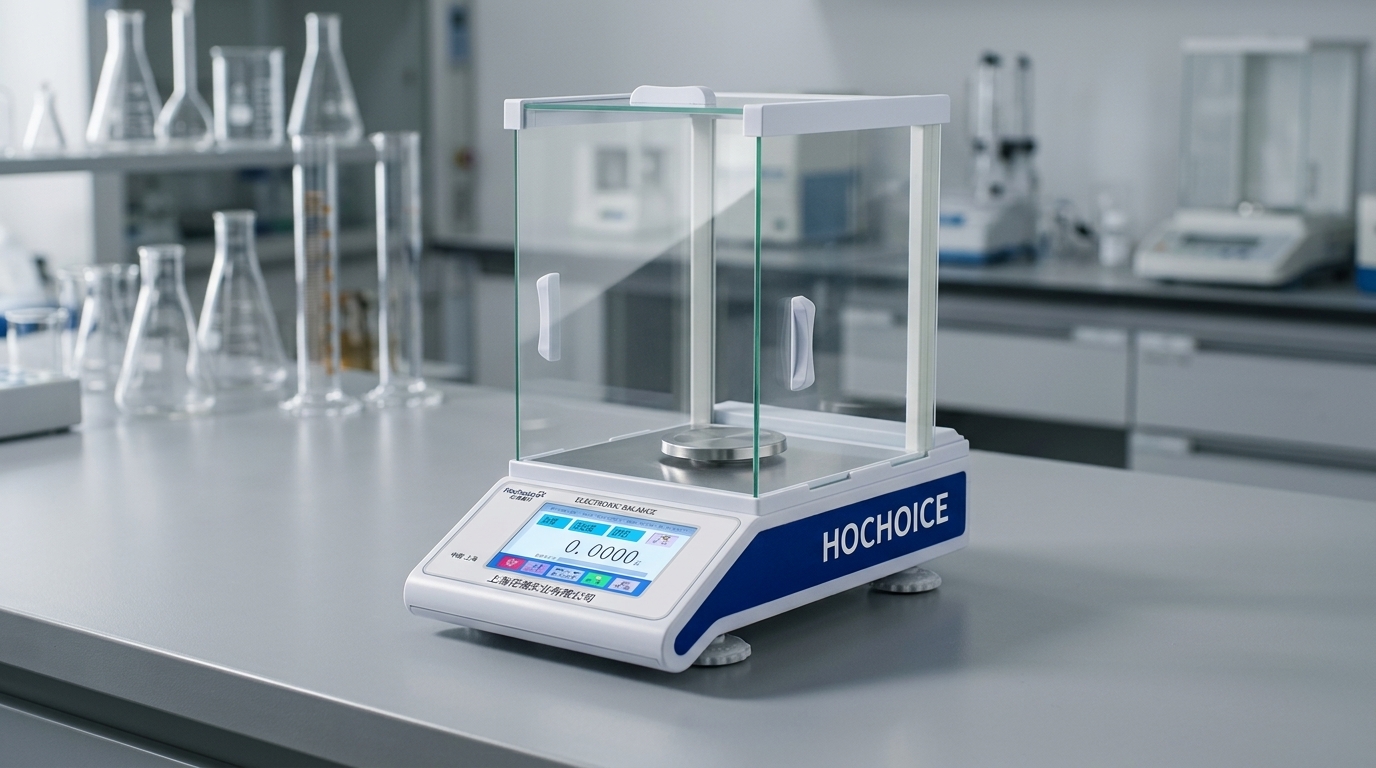
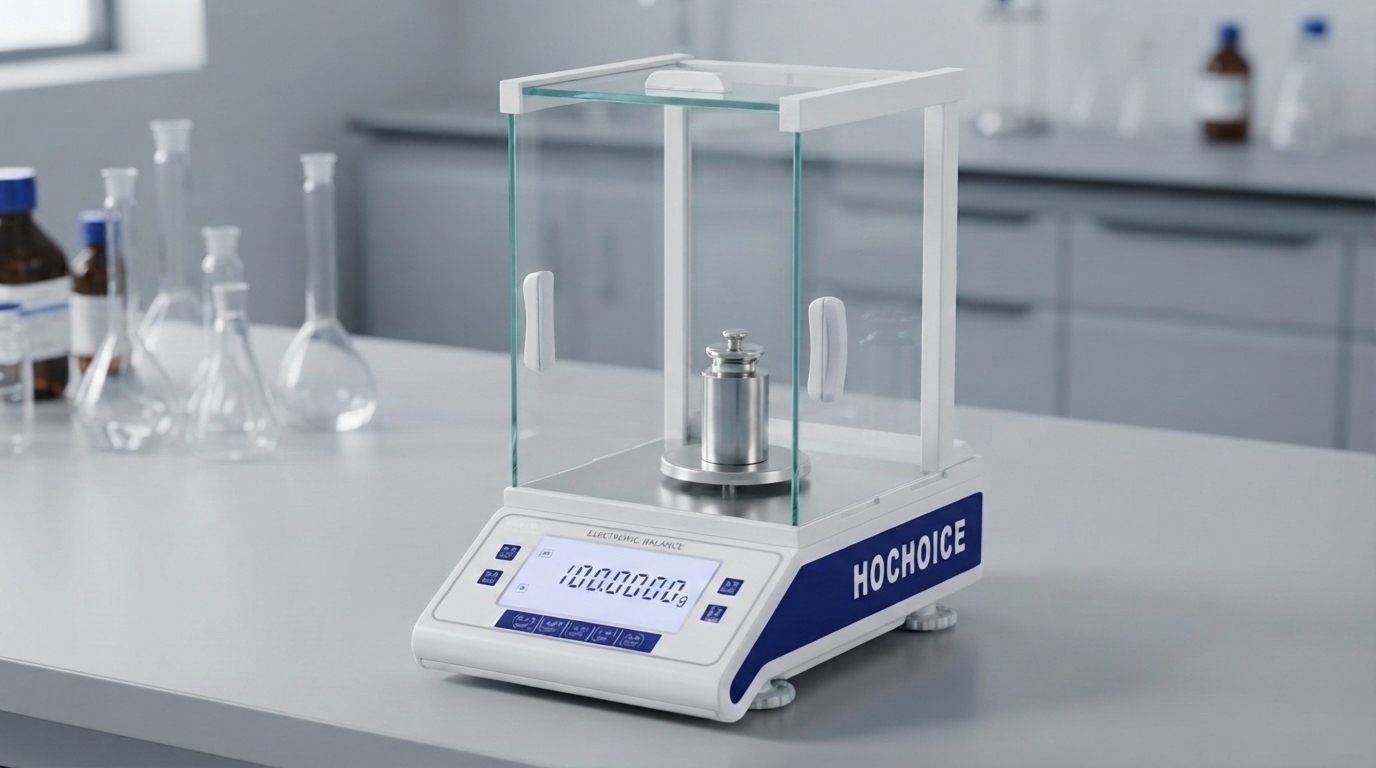
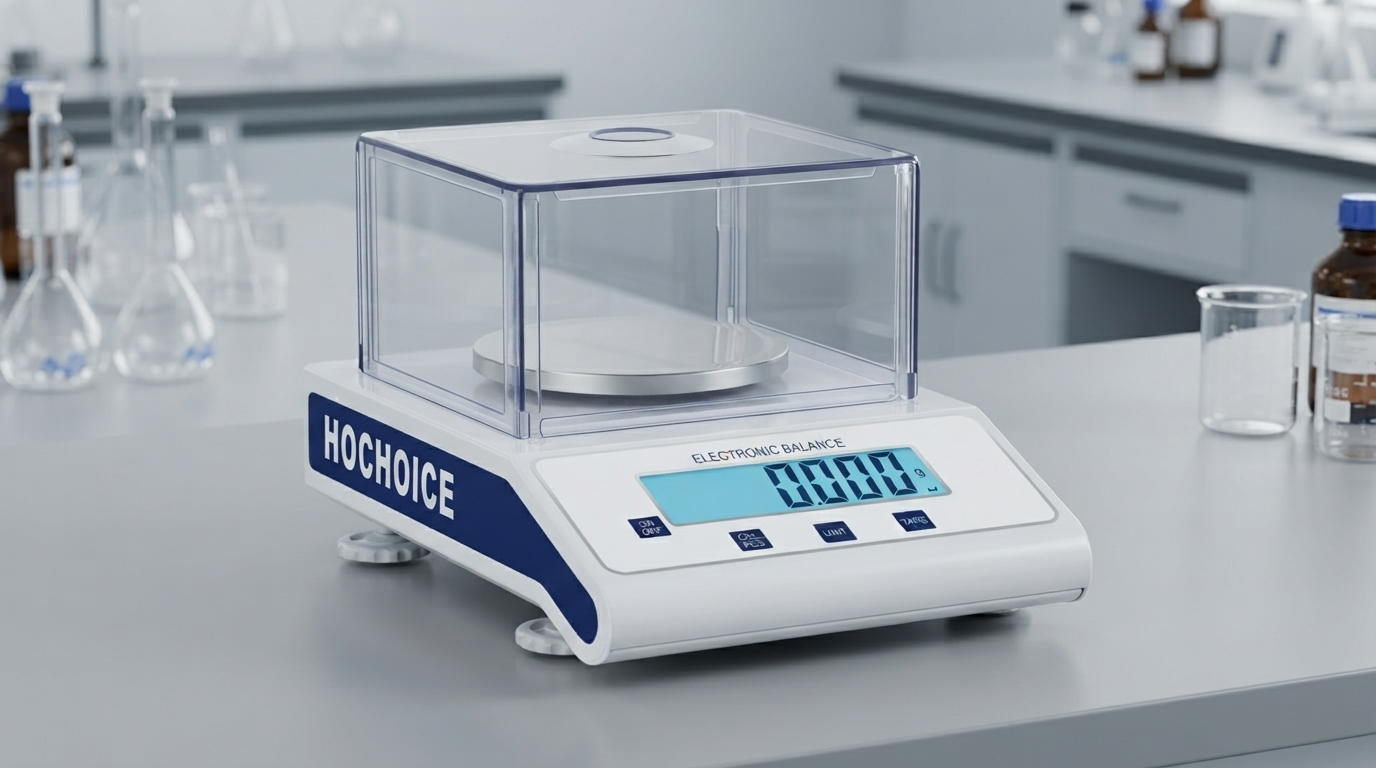
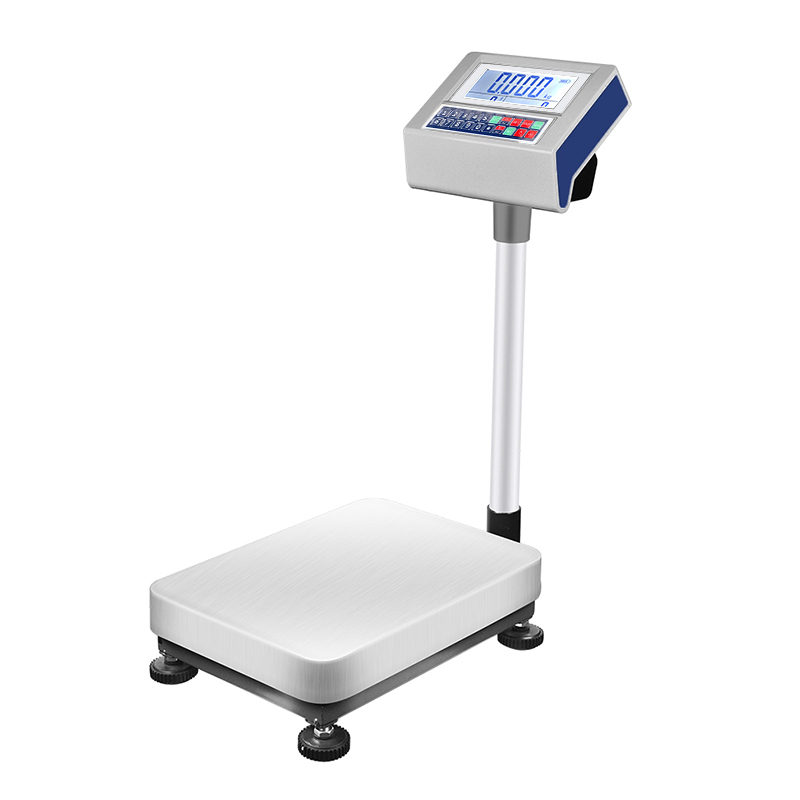
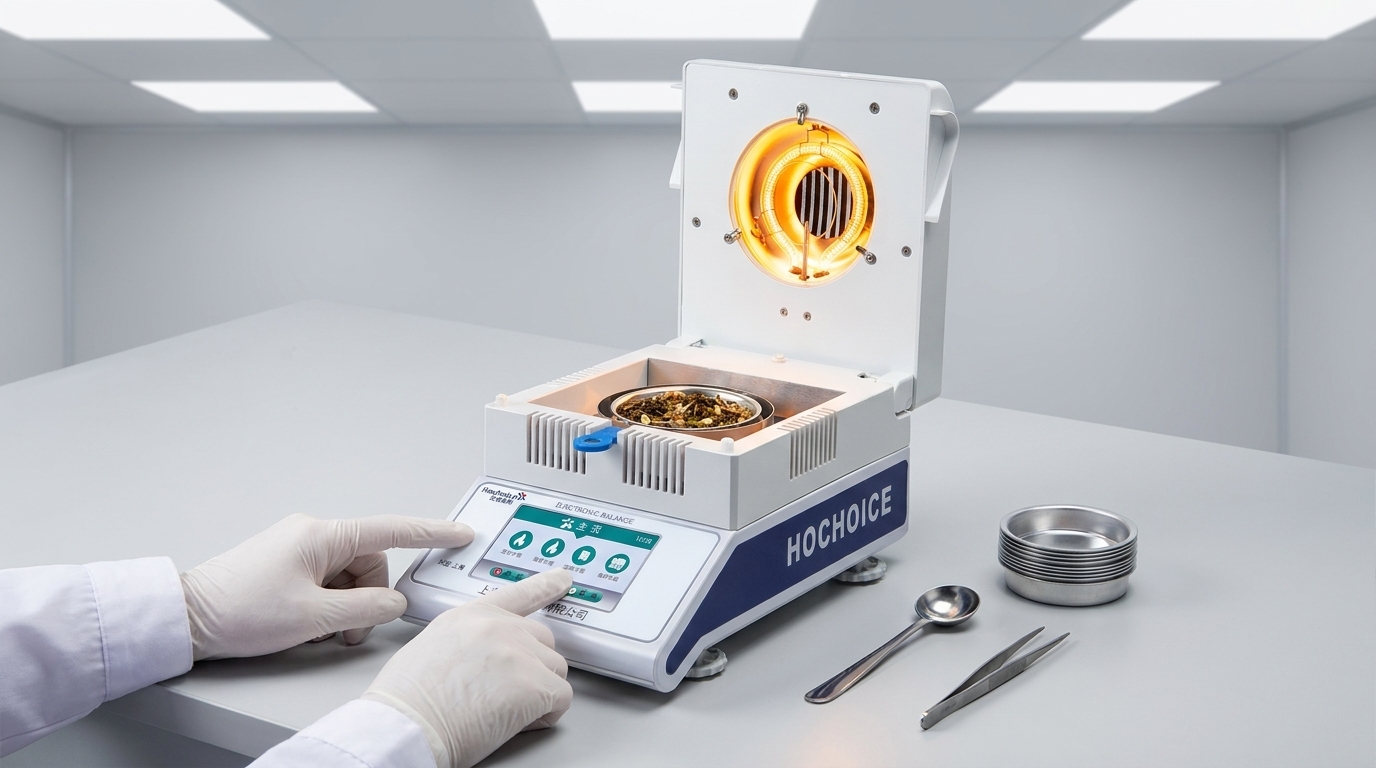
For most QC laboratories, standardizing sample preparation procedures and establishing regular maintenance routines can solve more than 80% of daily testing problems. Hochoice halogen moisture analyzer series adopt ring-shaped halogen heating technology for uniform 360° heating, built-in high-precision weighing sensor with automatic calibration function, and dust-sealed weighing chamber design. It can effectively reduce the above errors from the hardware level, and provides multiple drying modes to adapt to different sample characteristics, helping users obtain stable and accurate moisture test results efficiently.