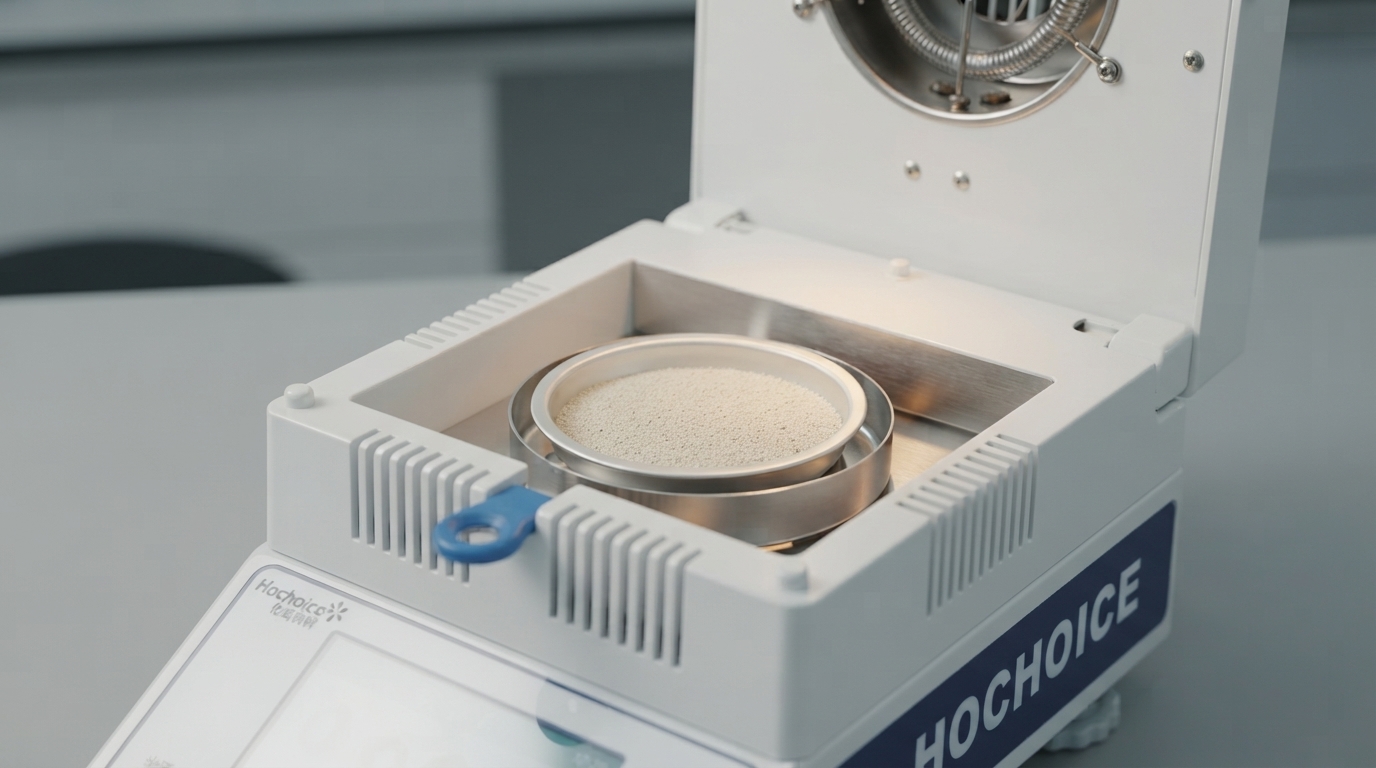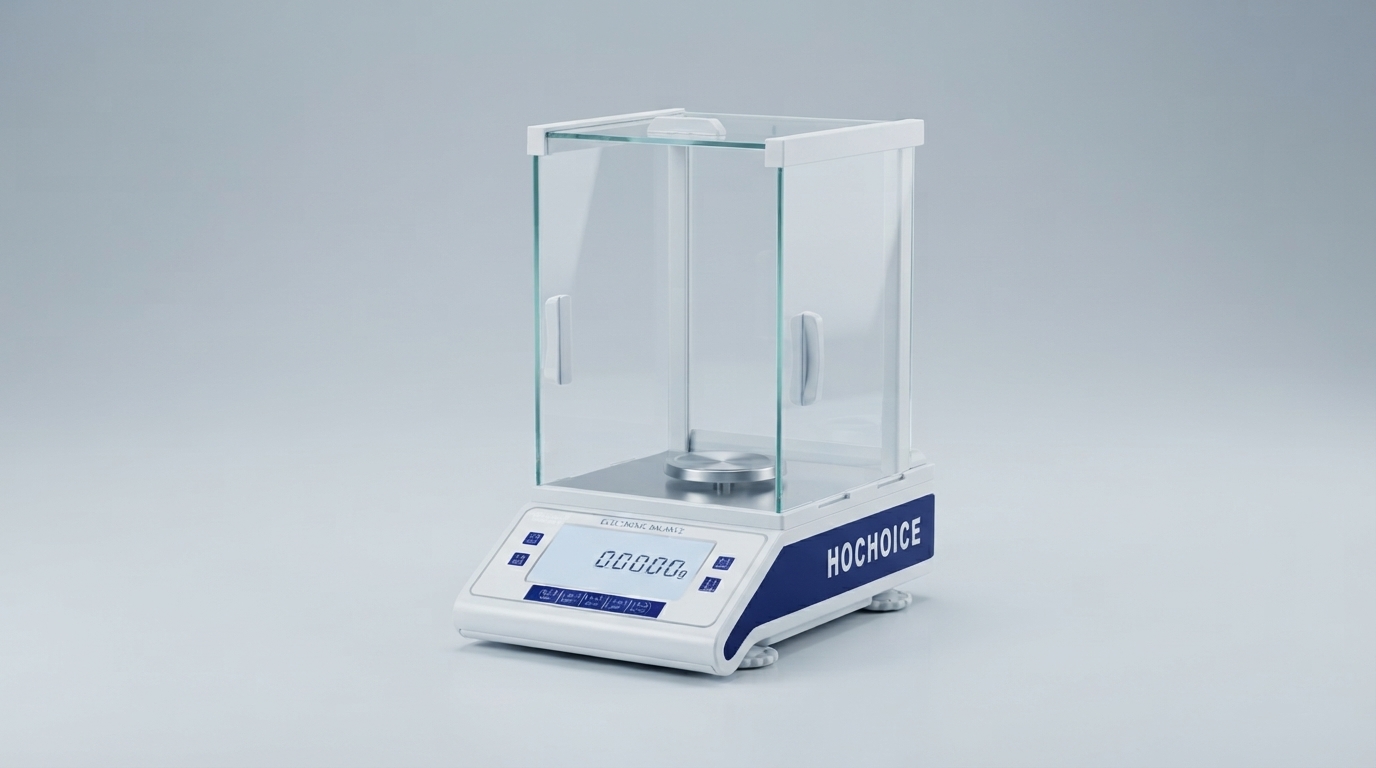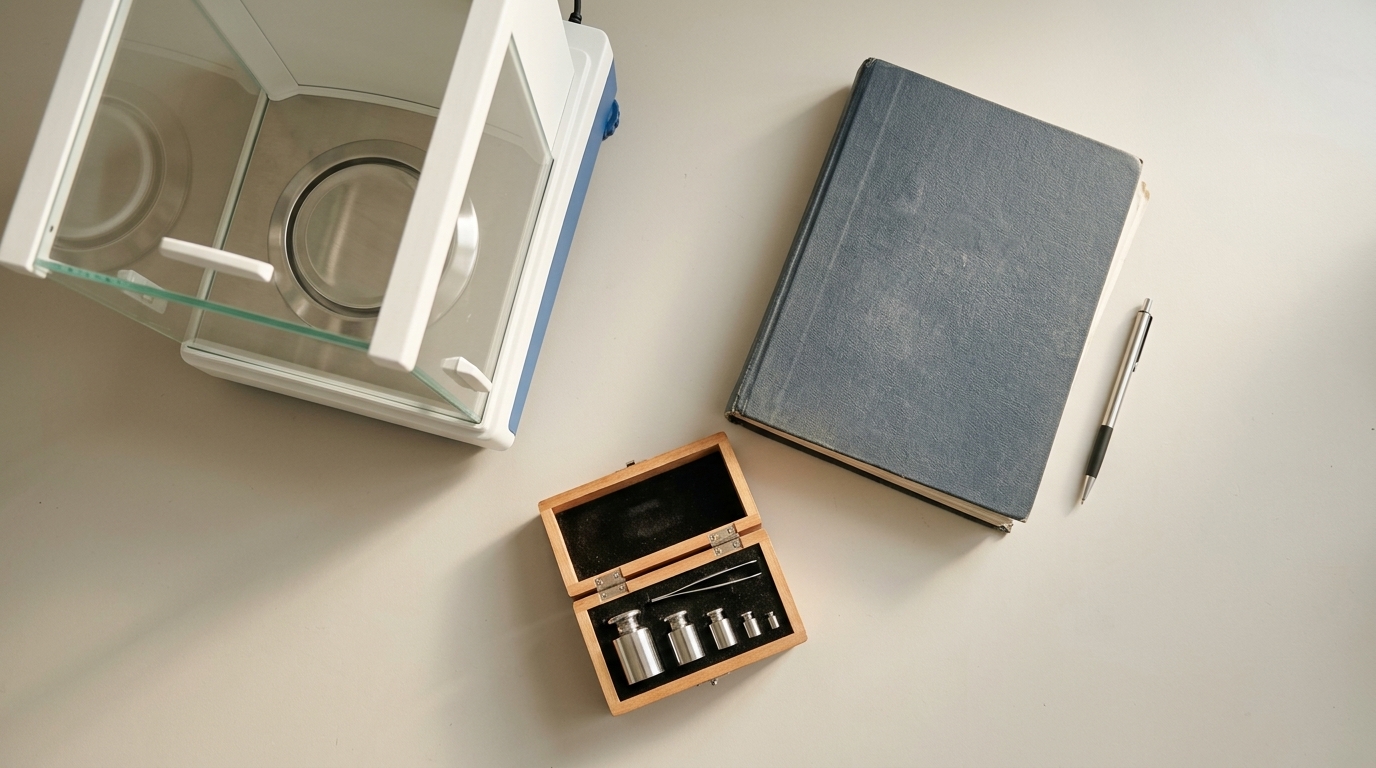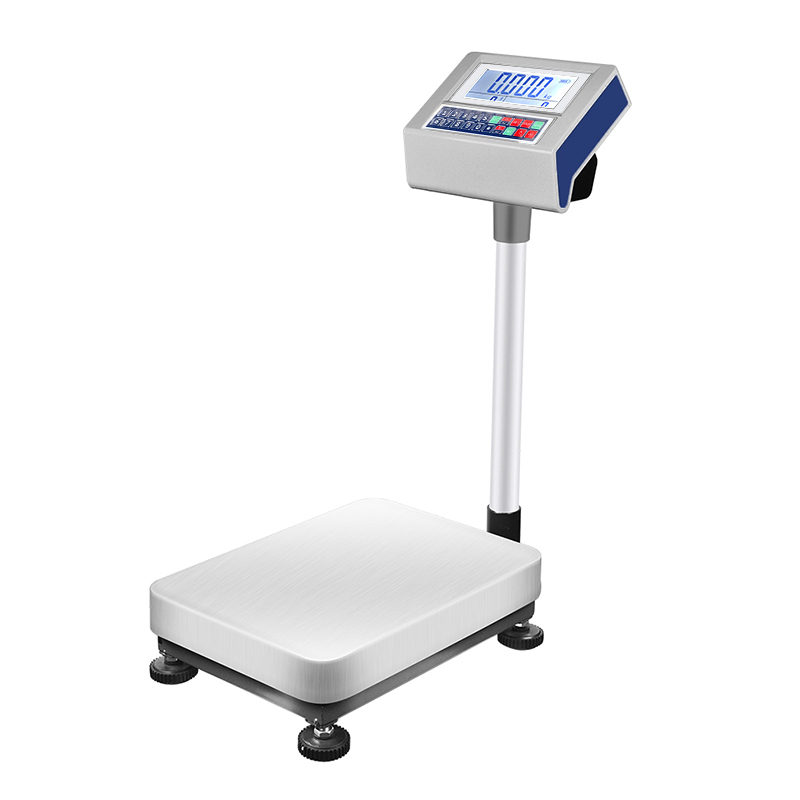

When a digital scale not reading weight steadily, or numbers jump up and down with no sample change, most operators assume sensor failure. In reality, over 85% of fluctuation issues come from environmental or operational factors — and following the right troubleshooting order can fix most problems in under 10 minutes, no technician required
Airflow & draft interferenceAir currents from AC vents, fume hoods, open windows or even passing personnel are the #1 cause of fluctuation, especially for low-capacity precision scales. Even subtle air movement exerts measurable force on the weighing pan.Fix: Move the scale away from vents and draft sources. Close all windshield doors fully during weighing.
Micro-vibration transmissionVibration from nearby pumps, centrifuges, refrigerators or foot traffic transfers through the workbench and causes random reading variation. The effect is often invisible but measurable on high-sensitivity scales.Fix: Place the scale on a dedicated anti-vibration table. Relocate away from heavy machinery and high-traffic walkways.
Static electricity buildupIn dry environments, plastic containers and powder samples build up electrostatic charge that pulls or pushes on the weighing pan, causing continuous drift or erratic fluctuation. This is often mistaken for sensor failure.Fix: Maintain 40–60% room humidity. Use anti-static weighing vessels. Install an ionizer near the balance for frequent powder work.
Temperature driftRapid temperature changes cause the sensor to expand or contract slightly, shifting the baseline and causing readings to drift slowly over time. Samples taken directly from fridges or ovens create the same effect via convection currents.Fix: Allow samples to reach room temperature before weighing. Keep room temperature stable within ±2°C. Preheat the balance fully before use.
Unstable power supplyLow battery, loose power connections or fluctuating line voltage cause inconsistent sensor output and flickering readings. This is one of the most overlooked quick fixes.Fix: Replace batteries or test with a different power outlet. Use a line conditioner for unstable mains power.
Off-center sample placementPlacing samples or weights away from pan center causes eccentric load error, so readings change depending on placement. This appears as inconsistency between repeated measurementsSHIMADZU C....Fix: Always load samples and weights at the exact center of the weighing pan.
Overdue calibration driftOver weeks and months, the sensor baseline drifts naturally. If calibration is skipped for too long, readings become progressively more unstable and inaccurate.Fix: Perform full balance calibration with traceable certified weights. Follow recommended calibration cycles.
Follow this order to eliminate simple causes first and avoid unnecessary work:
Check power supply and connections
Close all windshield doors and block drafts
Clean the weighing pan and chamber
Verify level adjustment
Move away from vibration sources
Perform zero reset and full calibration
Contact technical support
Related Guide:How to Calibrate Electronic Balance: 6-Step Standard Procedure
Related Product:Hochoice Anti-Vibration Precision Balance Series
Get Support:Contact technical support for persistent fluctuation issues
Hochoice precision balances feature draft-shielded weighing chambers, stable sensor design and anti-static options, minimizing environmental interference and delivering stable readings even in busy lab environments.