Calibration is an important part of laboratory weighing, but the work does not end when a balance passes a check. Clear records help laboratories understand instrument performance over time, identify deviations, and demonstrate that weighing equipment is being managed according to established procedures.
A well-designed record should make it possible to answer three questions: What was checked? What were the results? What action was taken?
Every record should identify the balance being checked. Useful fields include:
Manufacturer and model
Instrument serial number or internal equipment ID
Laboratory location
Date of calibration or verification
Name or identification of the person performing the work
This information prevents results from being mistakenly assigned to another instrument.
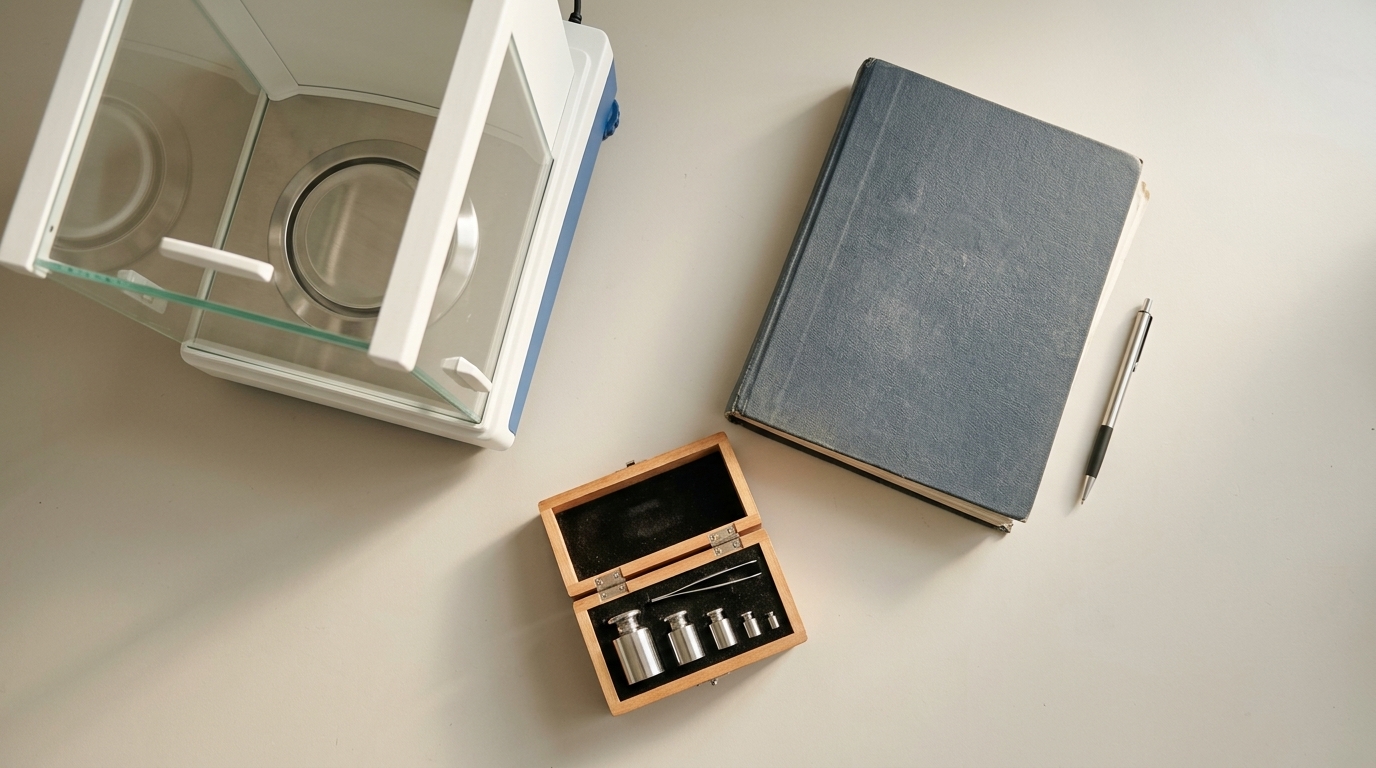
When external reference weights are used, record the weight identification, nominal mass, relevant certified value, and certificate or traceability details where applicable.
The reference weights must be suitable for the instrument's capacity, readability, and intended use. Their condition and handling also matter: contamination, damage, and improper handling can affect the reliability of the check.
Where the procedure includes adjustment, distinguish the initial results from those obtained afterward.
A useful record may include:
Record field | Purpose |
|---|---|
Test point or load | Identifies the measurement performed |
Reference value | Provides the comparison value |
Balance indication | Captures the observed result |
Calculated deviation | Shows the difference from the reference |
Acceptance criteria | Defines the pass/fail basis |
Follow-up action | Documents what happened if results failed |
Do not record only “pass” or “fail” if the procedure requires actual measurements. Numerical results make trends and unexpected changes easier to investigate.
Calibration and routine verification are related, but they are not interchangeable.
Calibration establishes the relationship between instrument indications and reference values under specified conditions. Verification checks whether the instrument meets defined requirements. Adjustment changes the instrument's response when supported by the procedure.
A laboratory may use routine checks between formal calibration events. The required frequency and acceptance criteria should be defined by the applicable quality system, instrument usage, risk, and relevant regulations or standards.
If a result exceeds the acceptance limit, record the deviation and follow the laboratory's documented procedure. Depending on the situation, actions may include repeating the check under controlled conditions, inspecting the installation, arranging adjustment or service, and assessing whether previous weighing results could have been affected.
Do not erase or overwrite the original result simply because a later measurement passes. Retaining the original finding supports a transparent investigation.
Over time, calibration and verification records can reveal recurring deviations, unstable performance, or a need to review the maintenance schedule. A consistent format makes comparisons easier across dates and instruments.
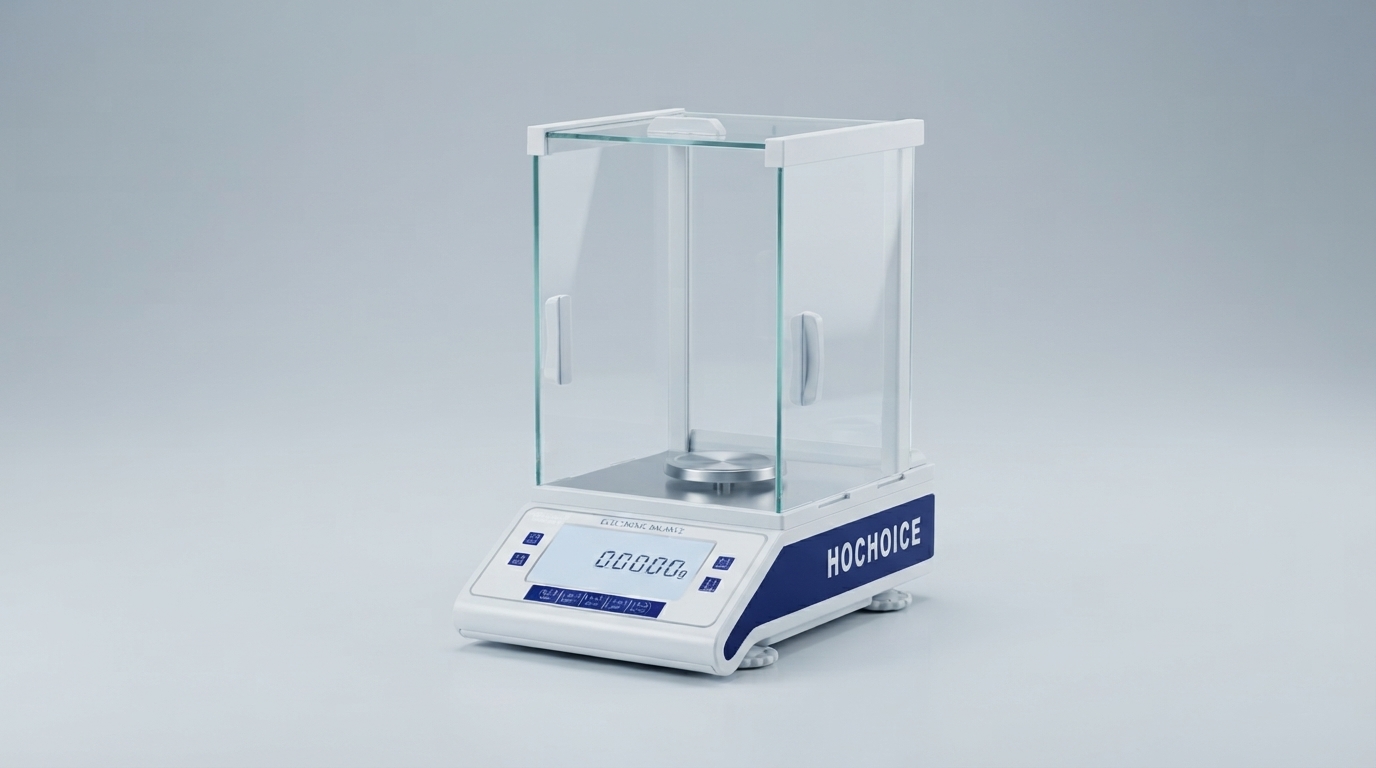
HOCHOICE offers electronic balances with different capacities, readability levels, and functions. The appropriate verification procedure should be selected according to the specific model and the laboratory's application.
Conclusion
A useful calibration record does more than document a successful result. It connects the instrument, reference standards, measurements, acceptance criteria, and follow-up actions in a traceable record that supports reliable laboratory weighing.