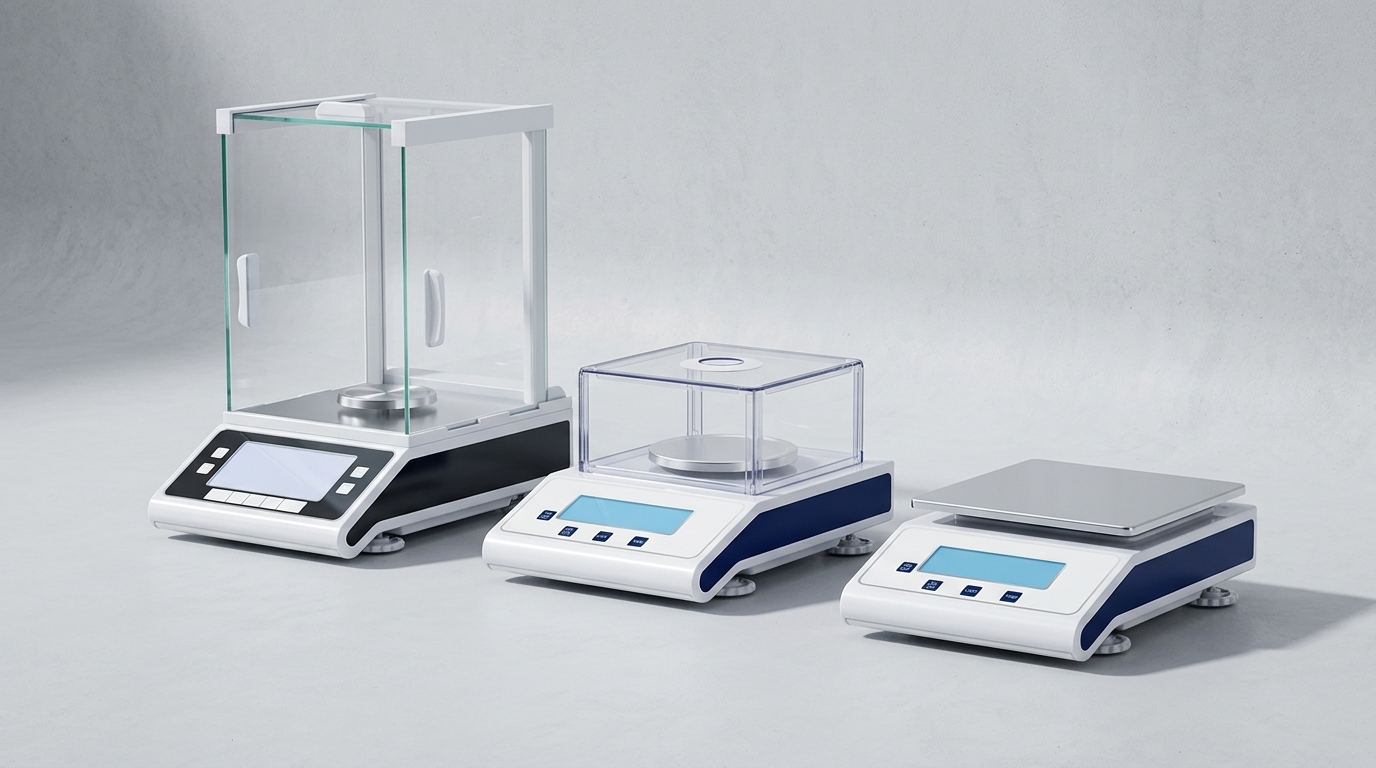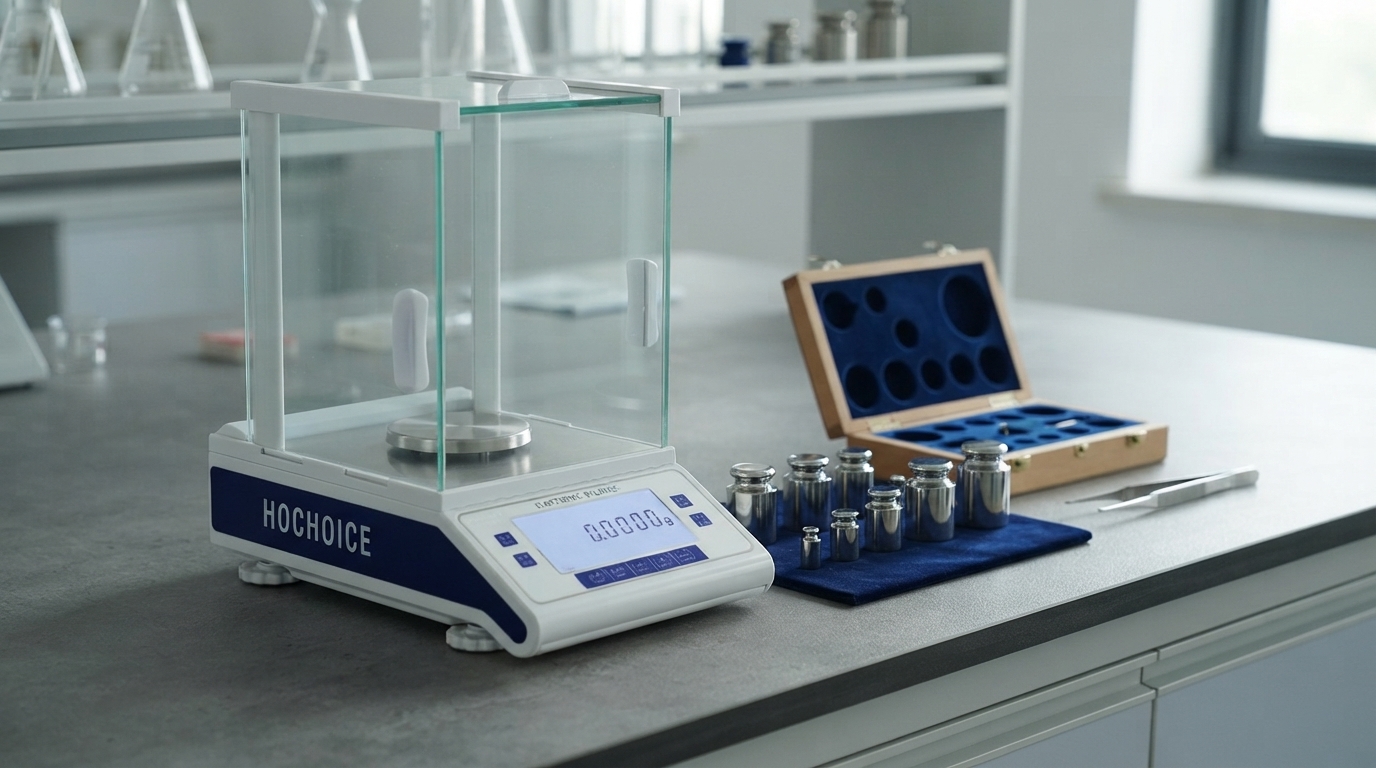

A halogen moisture analyzer can help laboratories determine moisture content efficiently by measuring sample mass before and during heating. However, even when the same instrument is used, repeated tests may produce different results.
The cause is not necessarily an instrument fault. Sample properties, preparation methods, temperature settings, and test endpoints can all influence the outcome.
Understanding these variables is essential when developing a repeatable moisture-testing procedure.
A sample should represent the material being tested. If moisture is distributed unevenly, two portions taken from the same batch may produce different results.
Depending on the material and approved test method, mixing, grinding, or reducing particle-size variation may improve consistency. These preparation steps must be selected carefully because they can also change how quickly moisture is released.
Use the same preparation procedure for every repeat test.
Sample mass influences the heating and drying process. A larger quantity may require more time to release moisture, while an extremely small quantity may be difficult to distribute consistently.
For repeatability studies, use a consistent target sample mass and document it in the test procedure.
The appropriate quantity depends on the sample type, analyzer specifications, and method. There is no single sample mass suitable for every material.
Uneven sample distribution can cause some areas to heat and dry differently from others.
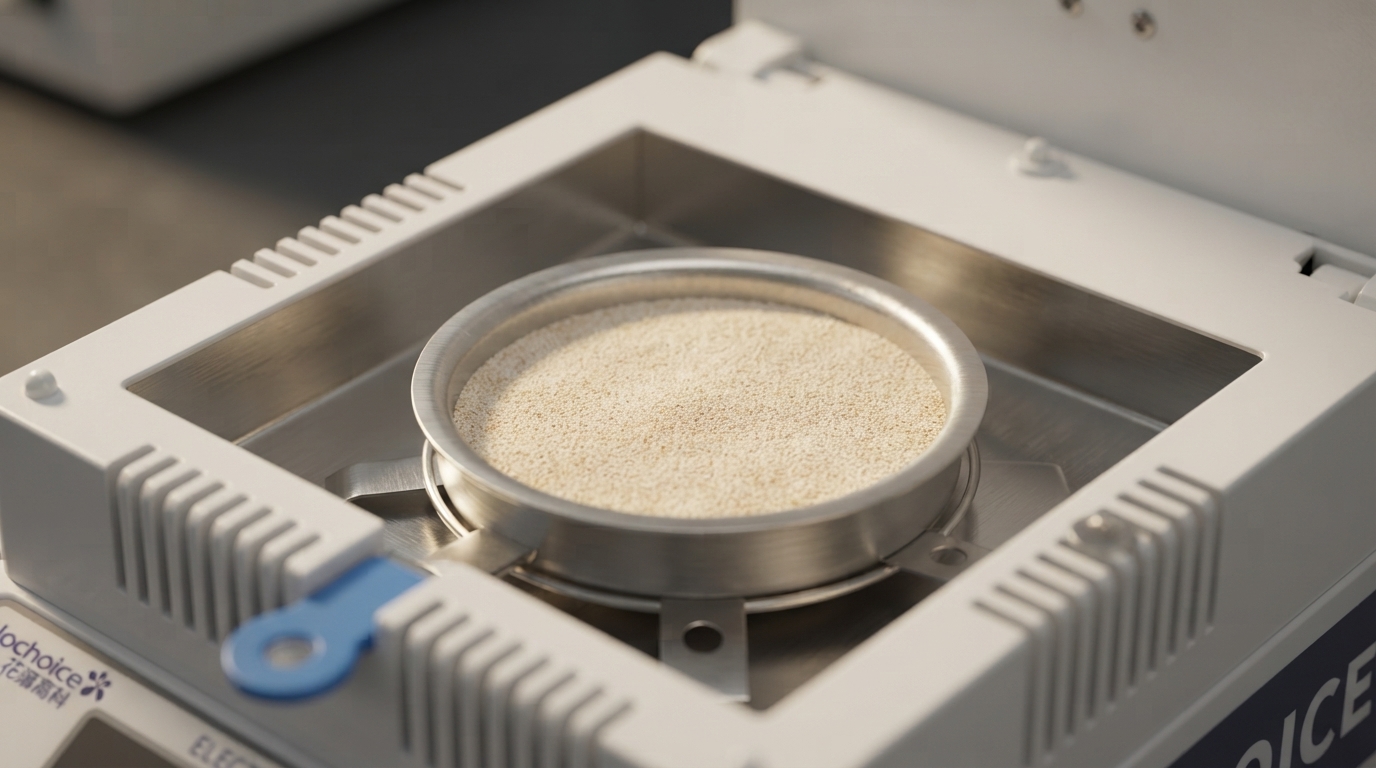
Where the method permits, spread the sample into a uniform layer across the sample pan. Avoid large piles, thick clusters, or inconsistent coverage between tests.
For materials with different particle sizes or textures, the preparation method may need to be adapted and validated.
The selected temperature affects the rate at which moisture is released.
If the temperature is too low for the method, drying may take longer or fail to reach the intended endpoint. If it is too high, the sample may lose volatile components other than water or undergo thermal decomposition.
Select the temperature according to the sample's properties and an established method where available. Do not assume that increasing the temperature will always improve the result.
The stopping condition determines when the test ends. Depending on the analyzer, this may be a fixed time or an automatic endpoint based on mass stability.
Changing the endpoint between repeat tests can make the results difficult to compare. Use the same drying program during a repeatability study unless the purpose of the study is specifically to evaluate different settings.
Other factors that can affect repeatability include:
Cleanliness and condition of the sample pan
Time between sample preparation and testing
Ambient temperature and humidity
Instrument warm-up and operating condition
Sample handling and exposure to air
Consistency of the selected test program
For moisture-sensitive materials, exposure to the environment between preparation and measurement can change the sample itself.
Run repeated measurements using the same sample preparation method, sample mass, temperature, and endpoint settings.
Record the individual moisture results instead of keeping only their average. Reviewing the spread of the results helps determine whether the method is sufficiently consistent for the intended application.
If variability remains high, investigate sample heterogeneity and test conditions before changing multiple instrument parameters at once.
HOCHOICE halogen moisture analyzers are designed for moisture-testing applications, with model-dependent heating and measurement specifications. Select the instrument and drying program according to the sample properties and the method's required performance.
Conclusion
Repeatable moisture analysis depends on the complete testing method—not just the analyzer. Consistent sample preparation, sample mass, temperature, endpoint settings, and handling procedures provide a stronger basis for comparing results.