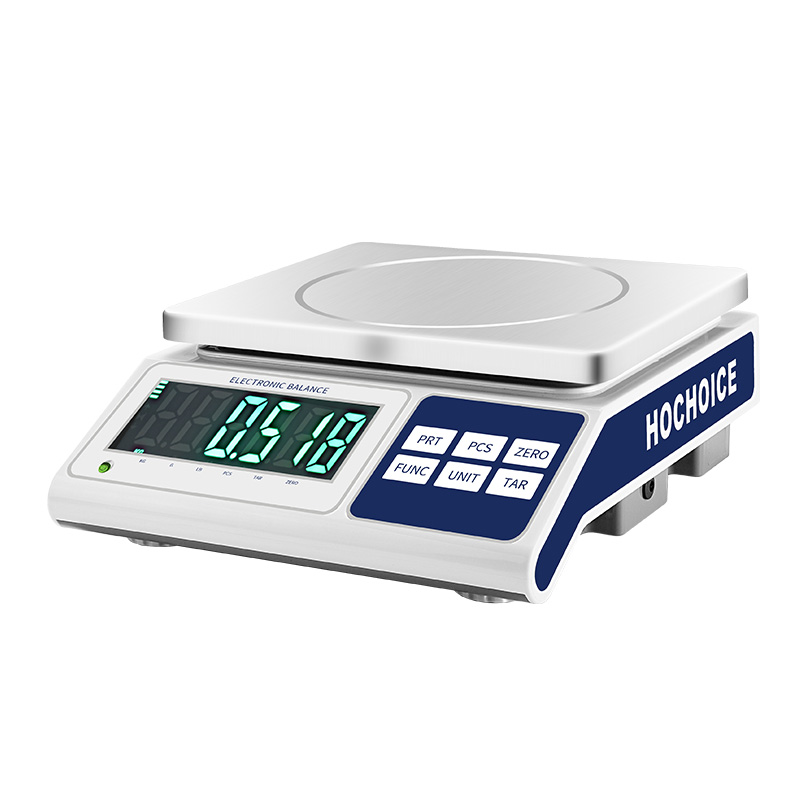


Static electricity affecting balance readings is a common but often overlooked source of weighing error in laboratories. When a sample, weighing container, or balance component accumulates an electrostatic charge, the resulting electrostatic forces can interfere with the measurement process. This is particularly noticeable when weighing lightweight samples or working with materials such as powders, plastic components, and polymer containers.
Understanding how static electricity develops, how it affects weighing results, and how to control it can help laboratory users improve measurement consistency and reduce unnecessary retesting.
Static electricity occurs when electrical charges accumulate on the surface of an object. In laboratory environments, this can happen when containers are handled, plastic materials rub against other surfaces, or insulating materials come into contact with gloves, wipes, and packaging.
Several conditions can increase the likelihood of electrostatic charging:
Low relative humidity: Dry air generally allows surface charges to persist longer.
Insulating materials: Plastic weighing boats, polymer containers, and some sample packaging can retain electrical charges.
Friction during handling: Rubbing, wiping, or moving materials can generate electrostatic charge.
Lightweight samples: Small quantities of powder or low-mass components may be more susceptible to electrostatic forces relative to their weight.
These conditions do not necessarily indicate a fault in the precision balance itself. The measurement environment and the materials being weighed may be contributing to the problem.
A precision balance measures mass by detecting the force applied to its weighing pan. Electrostatic charges can create additional attractive or repulsive forces between the sample, container, balance, and surrounding objects.
Depending on the charge distribution and the position of nearby objects, these forces can affect the displayed result.
Common symptoms include:
Unstable readings: The displayed value fluctuates even when the sample appears stationary.
Unexpected measurement differences: The same sample may produce different results after the container is handled or moved.
Slow stabilization: The balance takes longer than usual to settle on a stable value.
Apparent zero drift: The displayed value may shift when a charged container is placed on or removed from the weighing pan.
These symptoms can resemble other weighing problems, including air currents, temperature changes, vibration, and mechanical interference. Static electricity should therefore be investigated alongside other possible causes rather than assumed to be the only explanation.
Static-related weighing errors are particularly relevant when the mass of the sample is small compared with the electrostatic forces acting on it.
Typical examples include:
Fine powders and pharmaceutical ingredients
Plastic weighing boats and disposable containers
Polymer films and lightweight components
Small laboratory samples handled with gloves
Low-mass materials weighed in dry environments
The effect depends on the material, its electrical properties, the amount and distribution of charge, and the balance's measurement performance. Not every plastic container will cause a problem, and not every unstable reading is caused by static electricity.
Where appropriate for the application, maintain stable environmental conditions and avoid excessively dry air. Follow laboratory requirements for temperature and humidity, and consider the sensitivity of the sample and instrument when setting environmental controls.
An ionizer or other suitable static-neutralization device can help reduce electrostatic charge on insulating materials. Select a method compatible with the balance, sample, and laboratory safety requirements. Follow the device manufacturer's operating instructions and avoid directing strong airflow toward the weighing pan.
Avoid unnecessary rubbing of plastic containers and sample packaging. Use consistent handling procedures and suitable tools to minimize charge generation and reduce differences between measurements.
Ensure the weighing pan is clean, the balance is level, and the instrument is installed away from drafts and vibration. Confirm that the container does not touch the draft shield or other surrounding surfaces.
If static electricity is suspected, compare the weighing behavior before and after applying an appropriate neutralization method. A clear improvement in stability can help identify electrostatic charging as a contributing factor. Record the observation if the weighing process is part of a controlled laboratory procedure.
Before adjusting or servicing a balance, check the most common environmental and operational factors.
| Observed symptom | Possible cause | Recommended check |
|---|---|---|
| Reading fluctuates continuously | Static charge, drafts, or vibration | Neutralize charge where appropriate and check the installation |
| Reading changes after handling the container | Electrostatic charging or temperature differences | Use consistent handling and allow the container to equilibrate |
| Display takes unusually long to stabilize | Static charge, airflow, or instrument instability | Check the environment and repeat the test under controlled conditions |
| Zero point changes after removing a sample | Static effects, residue, or mechanical interference | Inspect the pan and surrounding area, then verify zero |
| Results remain inconsistent after environmental checks | Calibration, repeatability, or instrument-related issue | Perform the relevant performance checks according to the instrument manual |
This table is a troubleshooting guide, not a definitive diagnosis. If the problem persists, perform the appropriate balance checks and consult qualified service personnel when necessary.
Reliable weighing depends on more than the readability printed on an instrument's specification sheet. Environmental conditions, sample handling, container selection, and operator technique all influence the quality of measurement results.
For laboratories working with small samples, controlling static electricity can help improve repeatability, reduce rejected measurements, and make weighing procedures more consistent. It is also important to document relevant environmental conditions and corrective actions when required by the laboratory's quality system.
A precision balance should be evaluated as part of the complete weighing process, including the instrument, the sample, the container, and the surrounding environment.
Static electricity can affect precision balance readings by introducing electrostatic forces that interfere with the weighing process. Unstable displays, slow stabilization, and inconsistent results may indicate a static-related problem, particularly when lightweight samples or insulating containers are involved.
By controlling environmental conditions, using appropriate static-neutralization methods, handling samples consistently, and checking for other sources of error, laboratory users can improve weighing reliability without unnecessarily assuming that the balance requires repair.
For accurate results, always follow the instrument manufacturer's operating instructions and the laboratory's established measurement procedures.