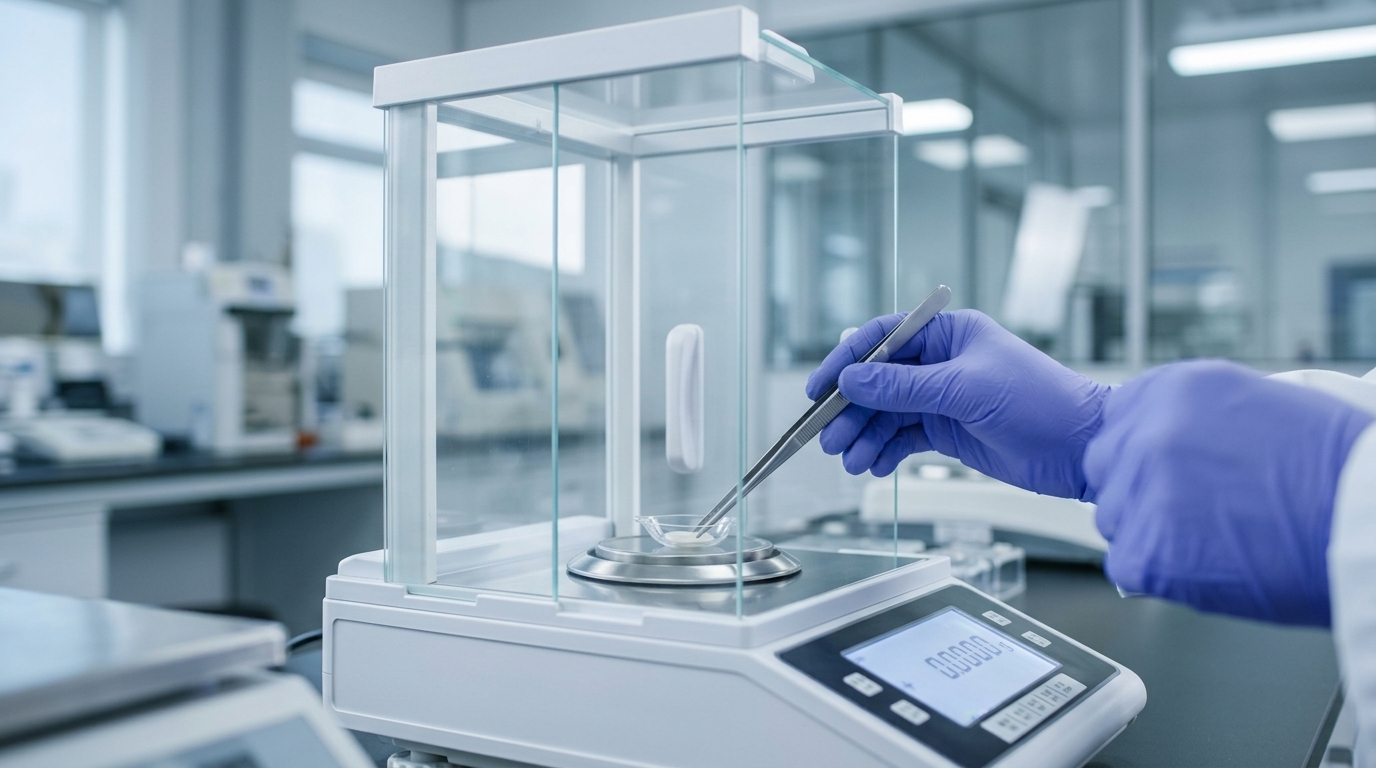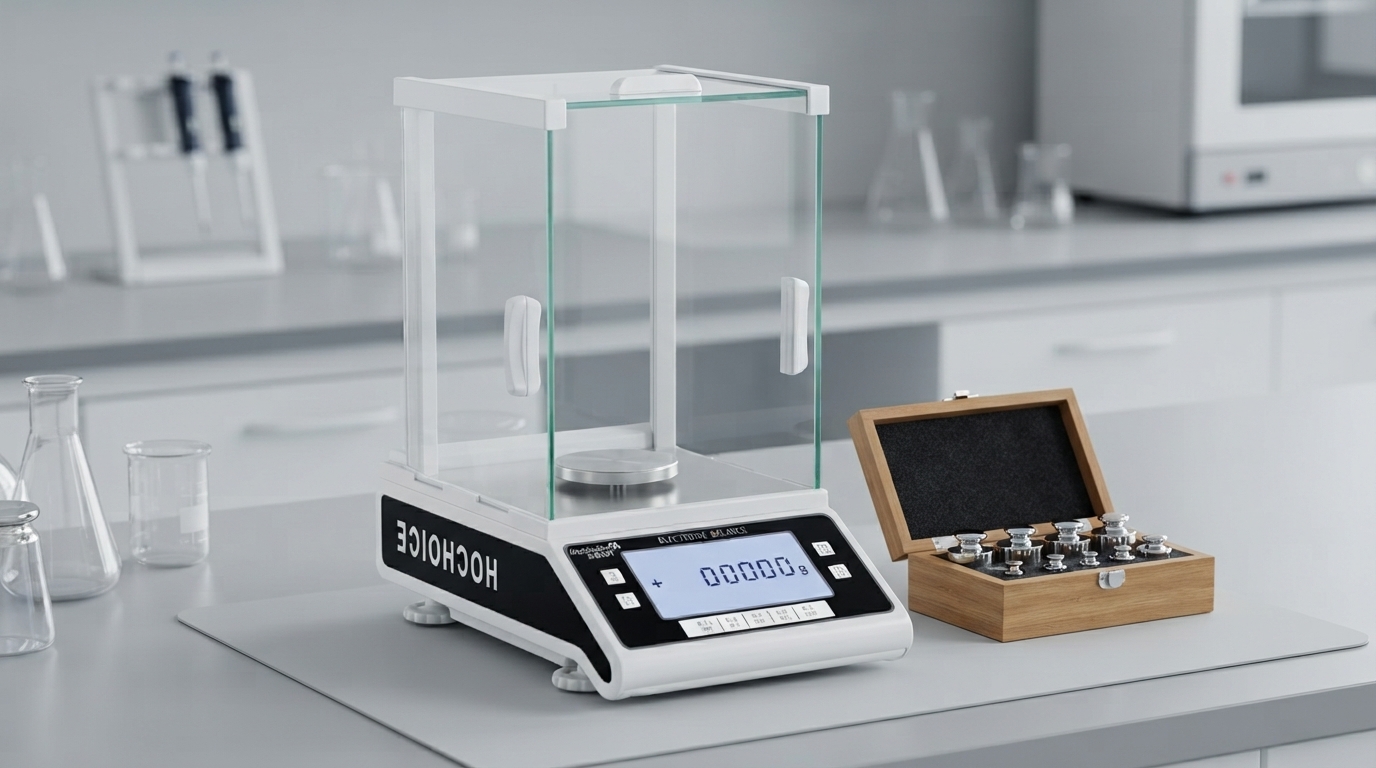

Preventive maintenance helps laboratories keep weighing equipment in suitable working condition and recognize potential problems early. For a precision balance, the most useful routine is not necessarily complicated. Consistent cleaning, correct installation, appropriate performance checks, and clear records can make a meaningful difference.
The exact maintenance schedule depends on the instrument model, workload, environment, and laboratory quality requirements.
Dust, spilled powder, and sample residue can interfere with routine operation. Contamination around the weighing pan may also make it difficult to place containers correctly.
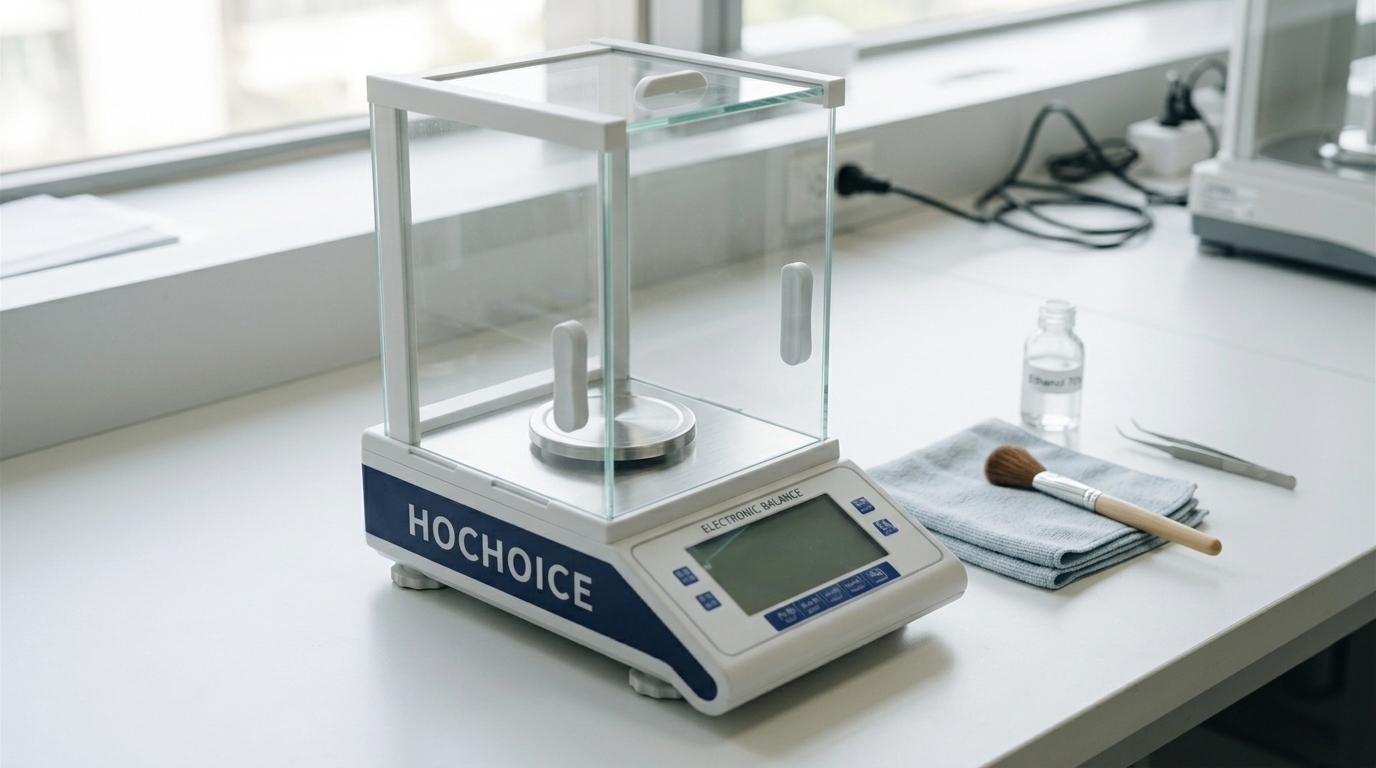
Remove samples after weighing and clean accessible surfaces according to the manufacturer's instructions. Use cleaning materials compatible with the balance's housing, display, and pan.
Avoid allowing liquids to enter the instrument. Do not remove covers or internal components as part of routine cleaning unless the manual specifically permits it.
A precision balance should be installed on a stable surface with minimal vibration. Where the model includes a level indicator, check it during setup and after moving the instrument.
Keep the balance away from strong air currents, direct heat sources, and equipment that produces significant vibration.
If the balance has been relocated, follow the manufacturer's setup procedure before returning it to routine use.
Check that the pan is clean, correctly seated, and free of visible damage. Make sure no foreign material is obstructing its movement.
If the pan appears bent or cannot be installed correctly, do not force it into place. Refer to the instrument manual or service personnel.
Some balances require a specified warm-up period after startup. Temperature changes following transport, relocation, or changes in the laboratory environment may also affect measurement stability.
Follow the model's stated warm-up and operating requirements. A single warm-up duration should not be assumed to apply to every precision balance.
Cleaning and visual inspection cannot confirm that the balance meets all measurement requirements.
Depending on the laboratory procedure, routine checks may include:
Checking the zero indication.
Measuring a suitable reference weight.
Evaluating repeatability.
Checking the response at selected loads.
Reviewing unusual drift or changes from previous results.
Use defined acceptance criteria and suitable reference weights. If a result fails, document it and follow the laboratory's investigation procedure.
A maintenance record should identify the instrument, date, work performed, observations, and any corrective actions.
Also keep relevant calibration and performance-verification records. Reviewing these records over time can help reveal recurring issues and determine whether the maintenance schedule remains appropriate.
Do not change calibration settings merely because a routine cleaning or inspection has been performed.
Remove the instrument from critical weighing work if it shows persistent unexplained instability, repeated calibration failure, physical damage, or an error that the user manual identifies as requiring service.
Record the symptoms and the checks already completed. This information can help a technician diagnose the problem more efficiently.
Frequency | Suggested activity |
|---|---|
Before or after routine use | Clean accessible surfaces and inspect the weighing area |
At defined intervals | Perform the laboratory's prescribed performance checks |
After relocation or unusual disturbance | Recheck setup and verify performance before critical use |
According to the maintenance plan | Arrange qualified inspection and service as required |
This is a general framework, not a universal mandatory schedule. Establish the final frequency based on the instrument manual, risk, usage, and laboratory procedures.
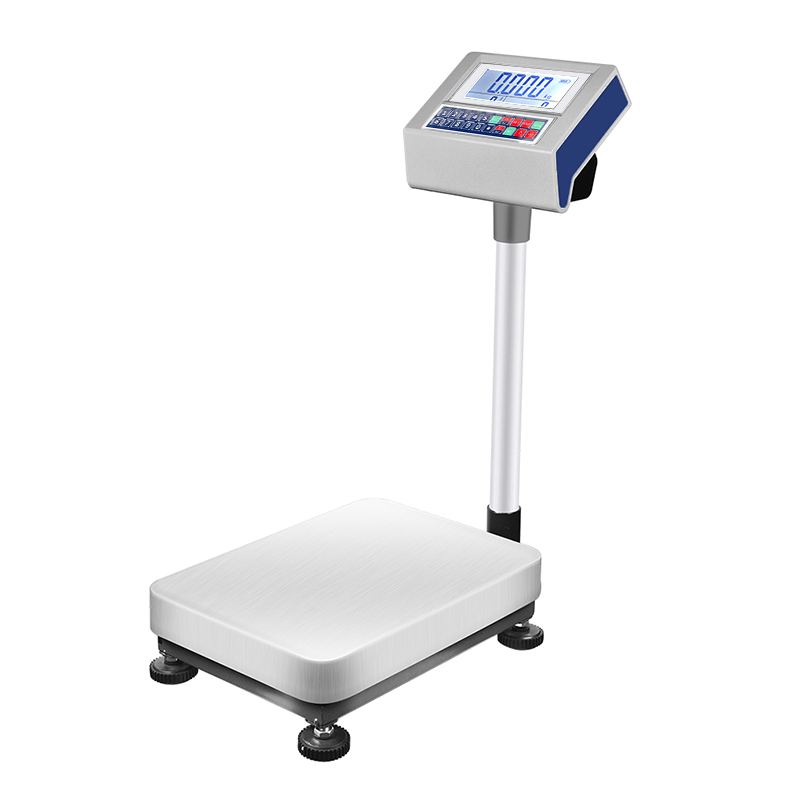
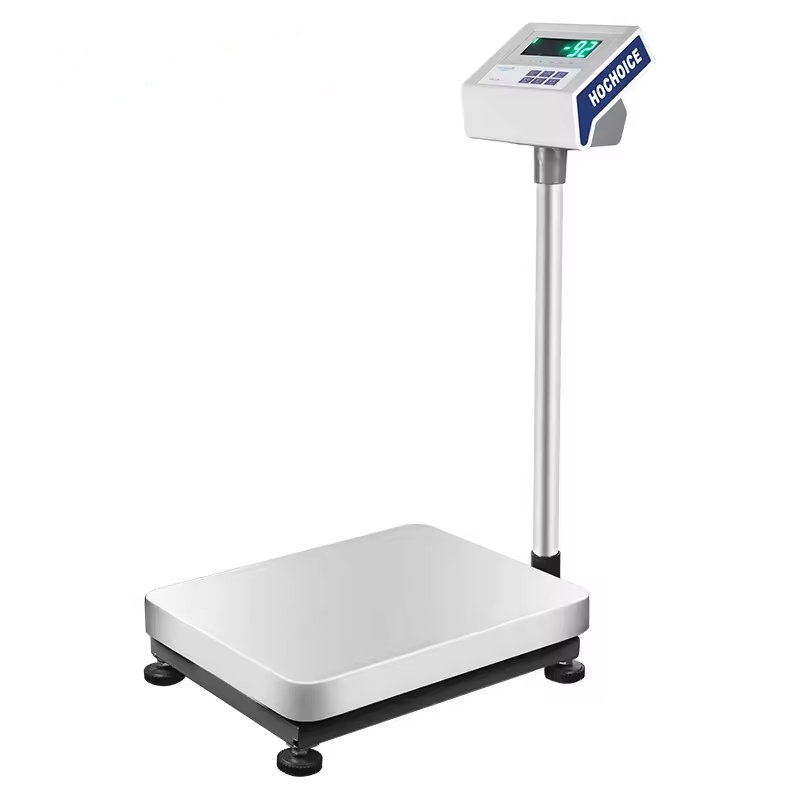
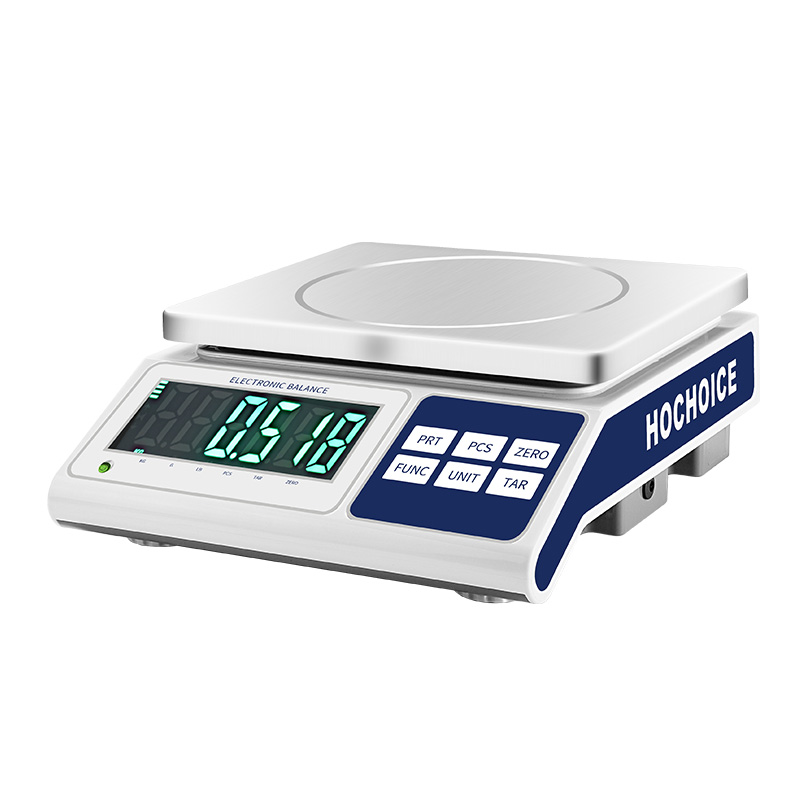
HOCHOICE electronic balances cover different capacities and readability levels. Routine maintenance should follow the instructions for the specific model, particularly for cleaning, calibration, and handling.
Conclusion
Preventive maintenance is most effective when it is consistent and documented. By keeping the weighing area clean, checking installation conditions, monitoring performance, and responding appropriately to deviations, laboratory users can manage equipment more reliably and reduce avoidable interruptions.