
Choosing the right electronic balance is an important decision for laboratories, quality control departments, manufacturing facilities, and research teams. One of the first specifications buyers compare is readability, which determines the smallest increment displayed by the instrument.
A 0.001 g balance displays readings in increments of one milligram. A 0.01 g balance displays readings in increments of ten milligrams. Although the difference may appear small, it can influence the suitability of an instrument for different weighing tasks.
Readability is the smallest change in mass that the balance display can show. It should not be confused with accuracy or repeatability.
A balance with 0.001 g readability displays three decimal places when measuring in grams. A balance with 0.01 g readability displays two decimal places.
Finer readability can help users observe smaller changes in mass. However, it does not automatically guarantee better accuracy under every operating condition. The instrument's repeatability, linearity, capacity, and environment must also be considered.
A 0.001 g electronic balance is often appropriate when the application requires milligram-level readability.
Potential applications include laboratory sample preparation, weighing small chemical quantities, quality inspection of lightweight components, and research tasks where small changes in mass need to be observed.
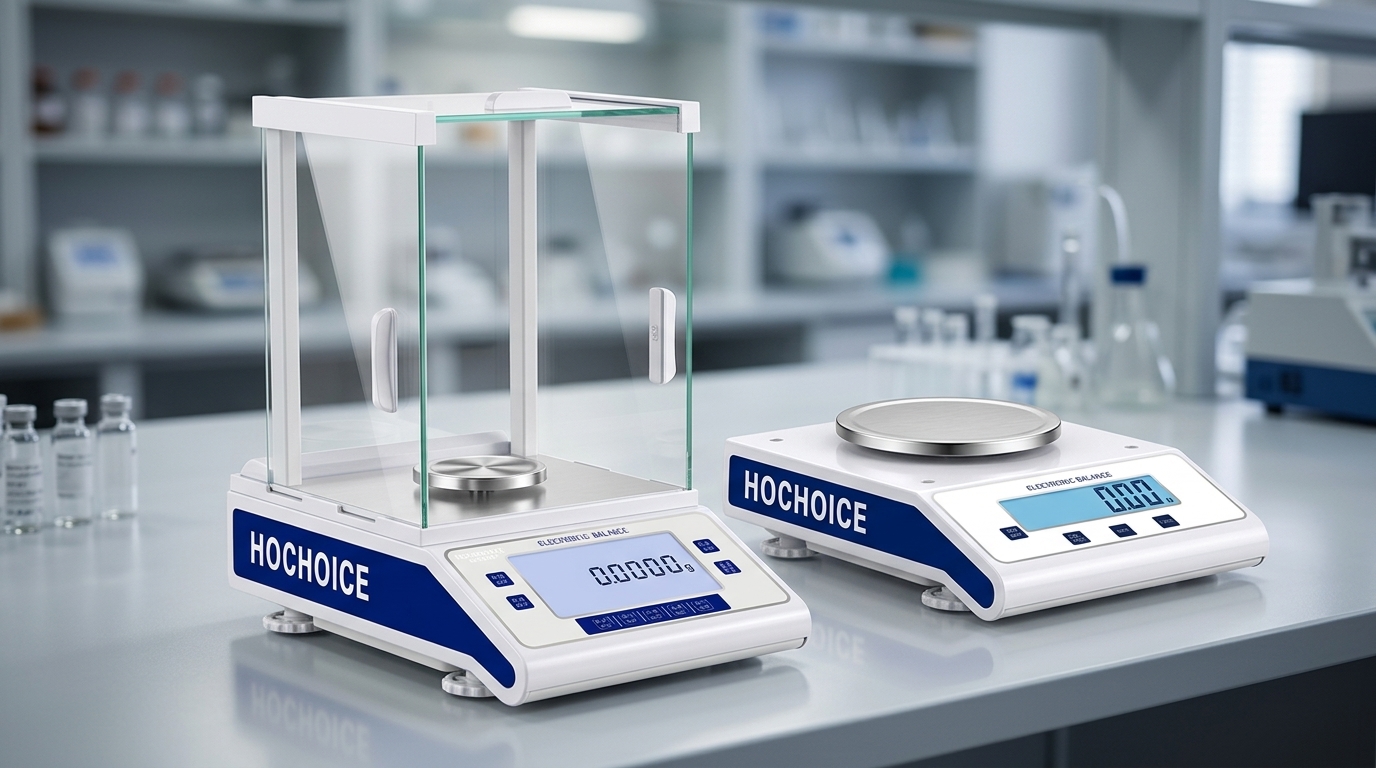
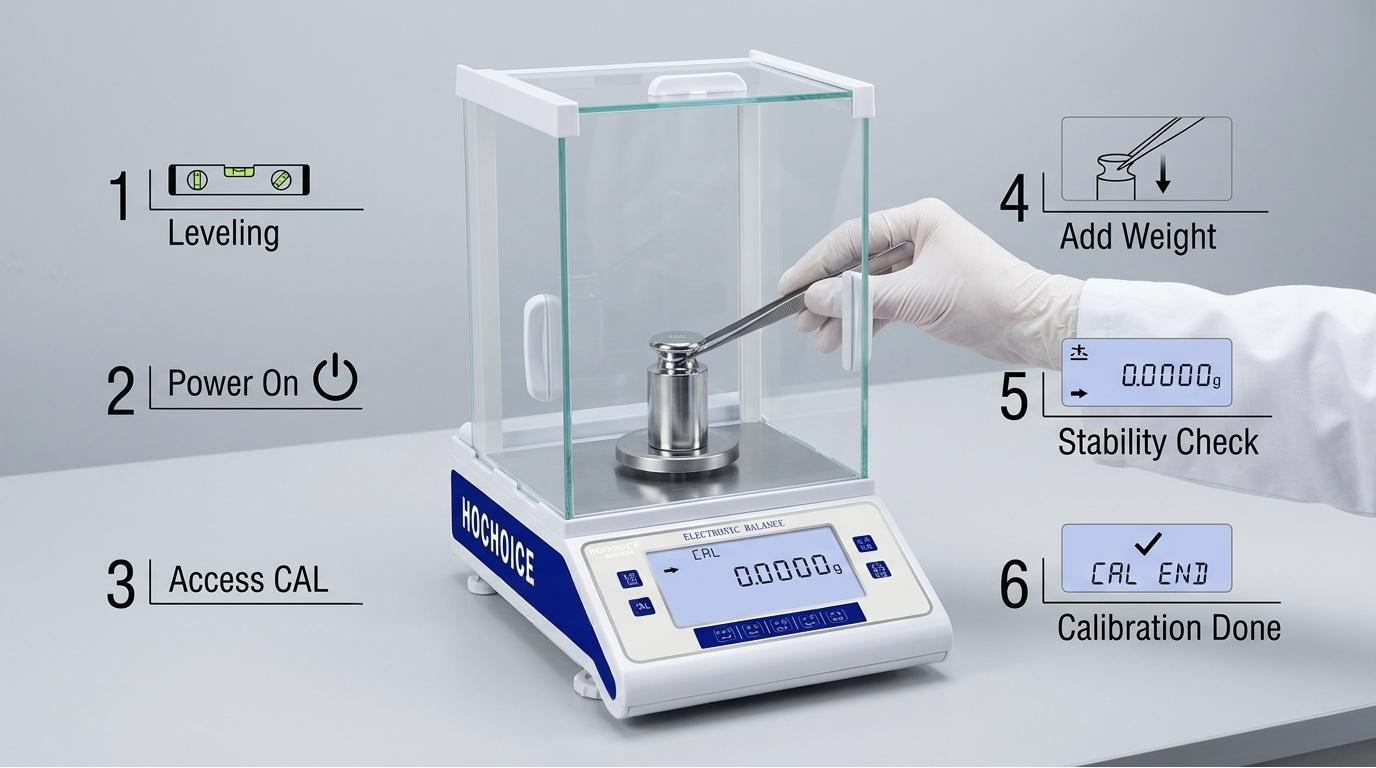
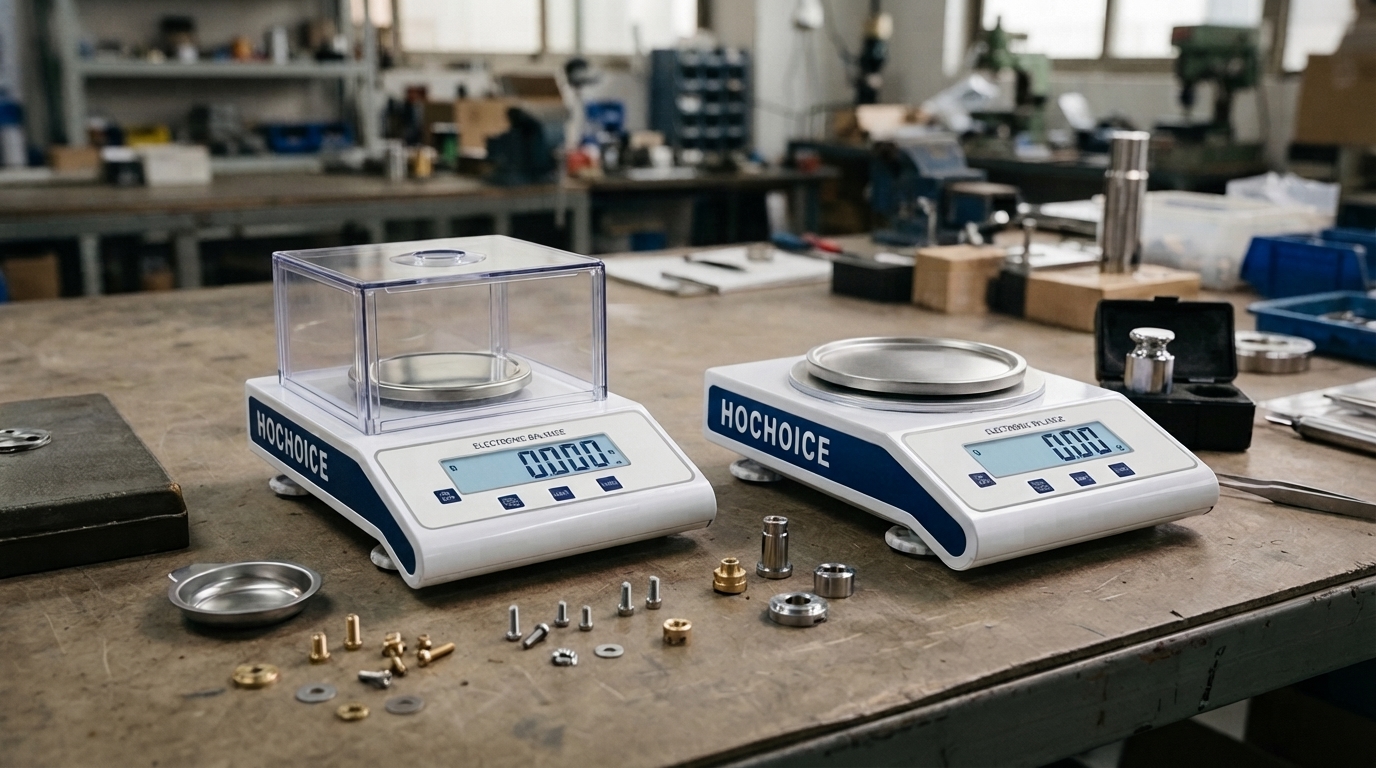
For example, HOCHOICE offers HC1003X, HC2003X, HC3003X, and HC5003X models with 0.001 g readability and capacities ranging from 100 g to 500 g. These models include a stainless steel weighing pan and glass windshield. Optional RS232 connectivity and a printer can support data transfer and documentation.
The appropriate model depends on the sample size and the requirements of the weighing procedure.
A 0.01 g electronic balance can be suitable for routine weighing tasks where ten-milligram display increments are sufficient.
Typical uses include weighing components, preparing production batches, checking material quantities, and performing general quality control.
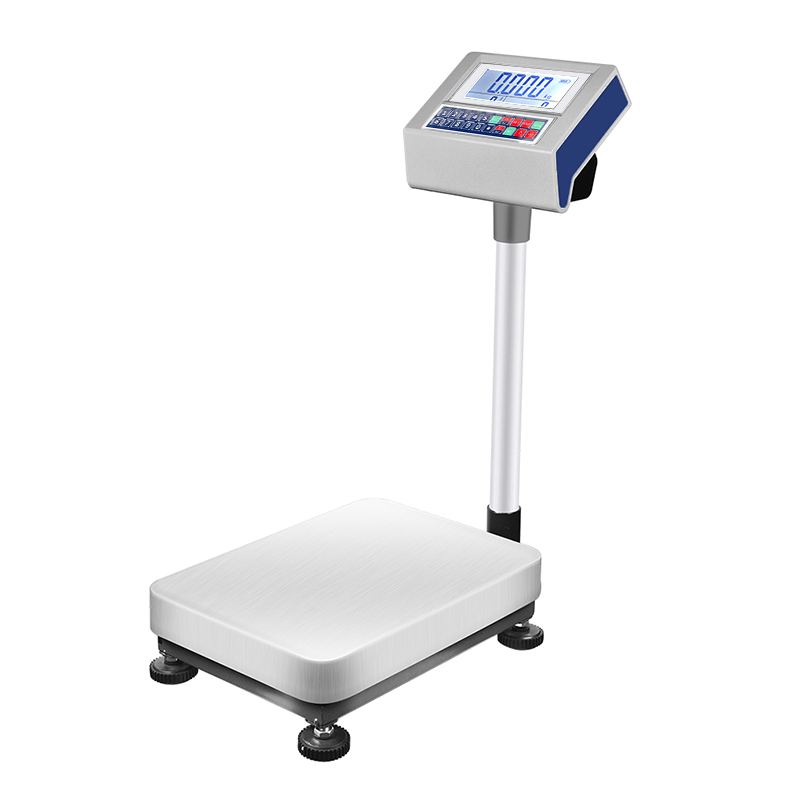
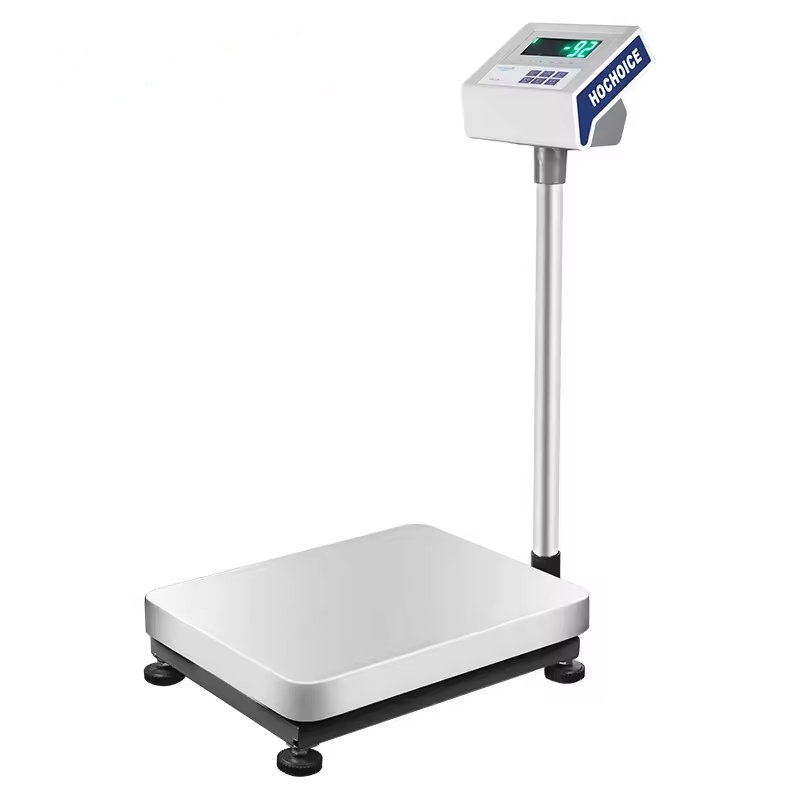
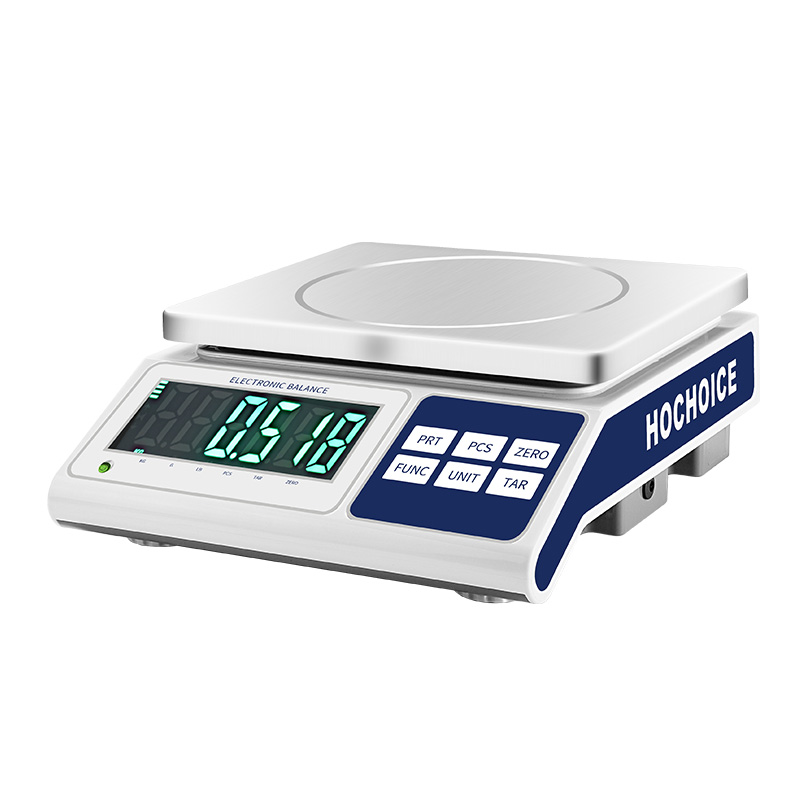
For example, the HOCHOICE HTP312 series provides 0.01 g readability with capacities from 600 g to 3000 g. It also supports counting and tare functions. Optional RS232 connectivity and a printer are available for compatible configurations.
A balance with higher capacity and 0.01 g readability may be more practical than a lower-capacity instrument with finer readability when the application involves larger samples and less demanding weighing tolerances.
Before selecting a balance, evaluate the following specifications.
Readability: Determine the smallest display increment required for your application.
Capacity: Confirm that the balance can accommodate the sample and container without exceeding its rated capacity.
Repeatability: Consider how consistently the balance measures the same load under comparable conditions.
Linearity: Check whether measurement deviations across the working range are suitable for the intended task.
Weighing pan size: Ensure that containers and samples can be placed safely and conveniently on the pan.
Environmental conditions: Consider drafts, vibration, temperature changes, and static electricity, particularly when working with small samples.
Data connectivity: If weighing results need to be transferred to a computer or recorded automatically, check the availability and compatibility of the required interface.
Start by defining the smallest sample mass and the maximum acceptable weighing error. Then compare the balance specifications against those requirements.
For tasks involving small samples, finer readability may be necessary. For routine production weighing or larger loads, a 0.01 g balance may offer a practical combination of capacity and ease of use.
Avoid choosing an instrument based on readability alone. The balance must perform adequately under the actual working conditions and across the required weighing range.
The choice between a 0.001 g and a 0.01 g electronic balance depends on sample size, weighing tolerance, capacity, repeatability, and workflow requirements.
A 0.001 g balance is worth considering when milligram-level readability is needed. A 0.01 g balance can be suitable for routine weighing and larger loads where finer readability is unnecessary.
Review the full specifications and intended application before making a final selection.