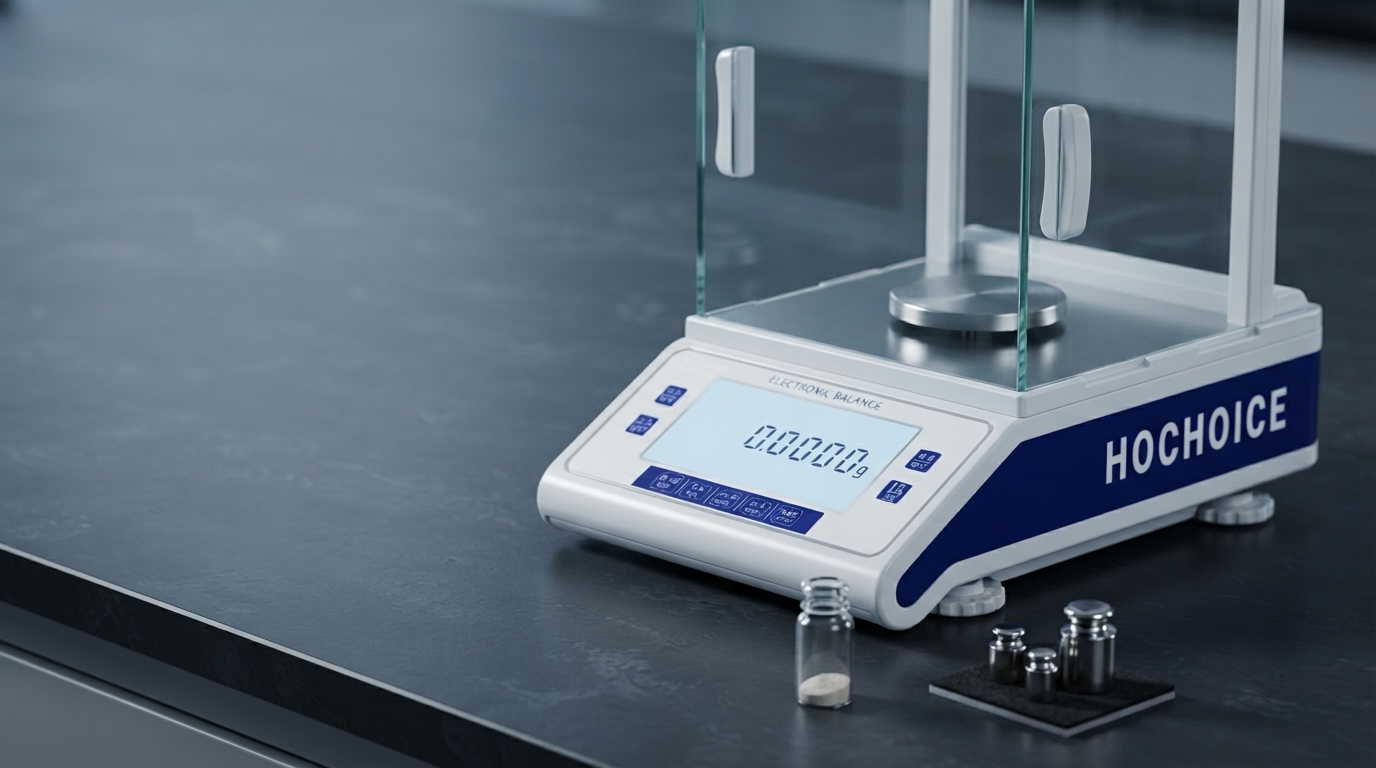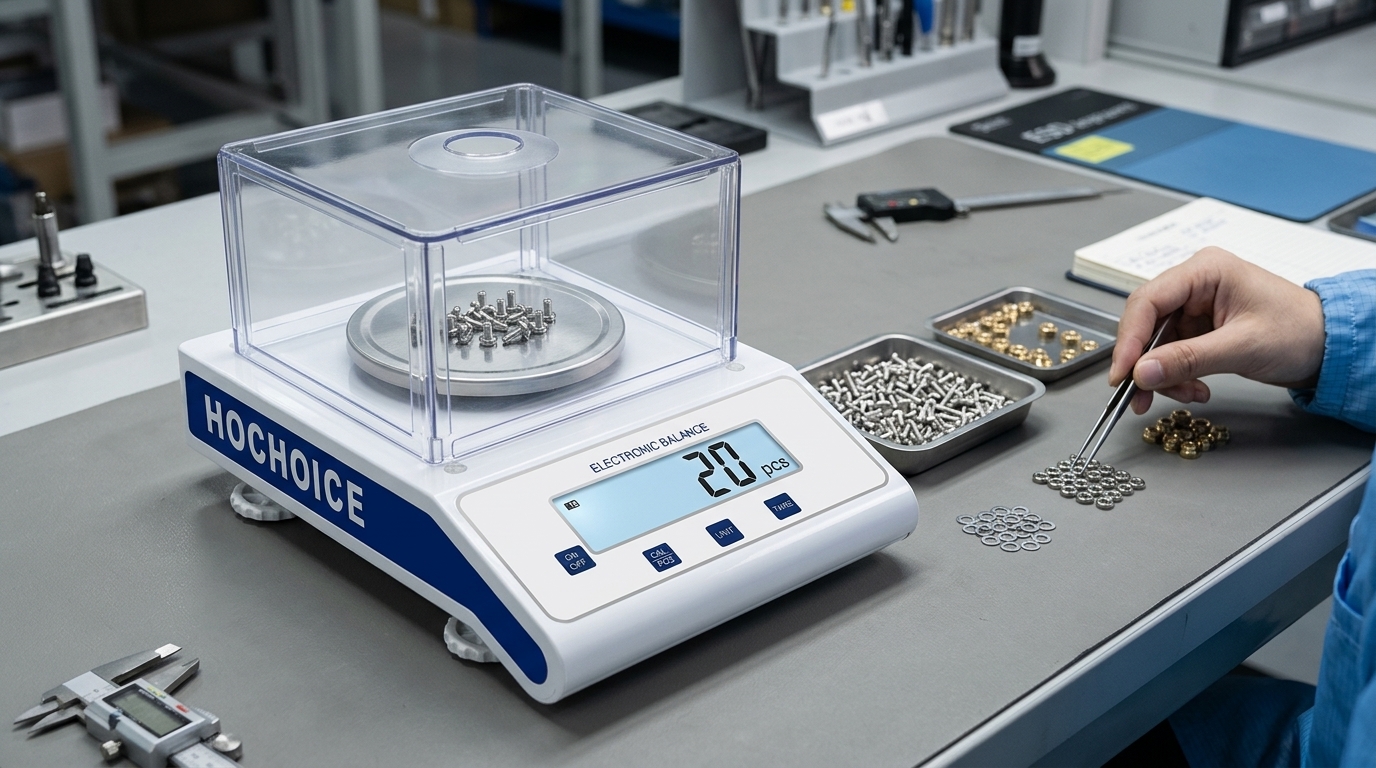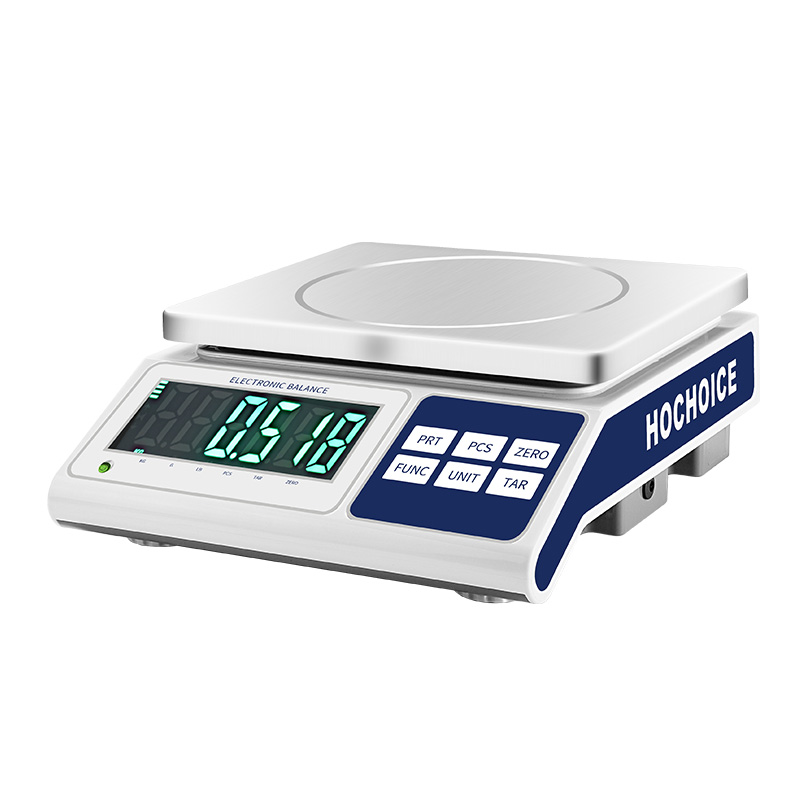


In quantitative laboratory work, transferring a sample from one container to another can introduce uncertainty. Some material may remain on the original container, adhere to a spatula, or be lost during handling.
Weighing by difference is a practical technique for determining how much material has been removed from a source container. It compares the mass of the container before and after dispensing.
This method is useful when preparing solutions, transferring powders, and handling samples where the actual amount delivered matters more than the amount initially placed in a container.
In direct weighing, the analyst places a sample or container on a balance and determines the sample mass from the displayed value.
In weighing by difference, the source container is weighed before and after the material is dispensed. The difference between the two measurements represents the mass removed from the source container.
For example, a container holding a powder has a mass of 42.6832 grams before transfer. After dispensing the sample, the container has a mass of 41.9276 grams.
The mass removed is 0.7556 grams.
This result estimates the mass transferred out of the source container, provided that no other material is gained or lost and that the measurements are performed under suitable conditions.
Weighing by difference can be helpful when a sample is difficult to transfer completely or when direct weighing at the receiving vessel is impractical.
Typical applications include transferring fine powders into formulation vessels, dispensing reagents during solution preparation, handling sticky materials that may remain on tools, and determining the amount of material delivered from a stock container.
The technique can reduce dependence on complete sample transfer, but it does not eliminate every source of error.
Step 1. Prepare the balance.
Ensure that the balance is installed on a stable surface and is suitable for the required sample mass and weighing tolerance.
Step 2. Weigh the source container.
Record the mass of the container and its contents before dispensing. Keep the container configuration consistent throughout the procedure.
Step 3. Transfer the sample.
Dispense the required material into the receiving vessel. Take care to avoid spills and contamination.
Step 4. Reweigh the source container.
Return the source container to the balance under comparable conditions and record the new mass.
Step 5. Calculate the mass difference.
Subtract the final mass from the initial mass. The result represents the mass removed from the source container.
Step 6. Review the result.
Check for spills, residue on external surfaces, evaporation, moisture uptake, and other changes that could affect the mass difference.
Evaporation and moisture uptake can change sample mass during handling. Volatile samples may lose mass, while hygroscopic materials may absorb moisture from the air. Minimize unnecessary exposure and follow the material-specific handling procedure.
Residue and contamination can also affect the result. Keep the outside of the container clean and avoid transferring residue from tools or gloves.
Temperature differences may cause unstable readings because of convection effects. When required by the procedure, allow containers and samples to reach a suitable temperature before weighing.
Balance readability and repeatability are also important. The balance must be appropriate for the expected transferred mass and required tolerance. A small difference between two relatively large measurements may be more sensitive to measurement variation than either reading alone.
Finally, reduce air currents, vibration, and electrostatic effects by maintaining a suitable weighing environment and using consistent handling techniques.
Weighing by difference measures the change in mass of the source container. It does not automatically confirm that all removed material reached the intended destination.
For example, if some powder spills during transfer, the mass difference may include both the material delivered and the material lost. The amount received by the destination vessel may therefore be lower than the calculated transferred mass.
For critical analytical work, choose a method that fits the measurement objective and document any assumptions required by the procedure.
When choosing an analytical balance for difference weighing, consider readability, repeatability, capacity, sample properties, and the required tolerance.
The complete weighing procedure should be evaluated, including container handling and environmental conditions. Display resolution alone is not enough to establish measurement reliability.
For laboratories with strict documentation requirements, consistent records of the initial mass, final mass, calculated difference, and relevant observations can improve traceability.
Weighing by difference is a useful technique for estimating the amount of material removed from a source container. A controlled procedure and a suitable analytical balance help laboratories obtain more reliable mass measurements.