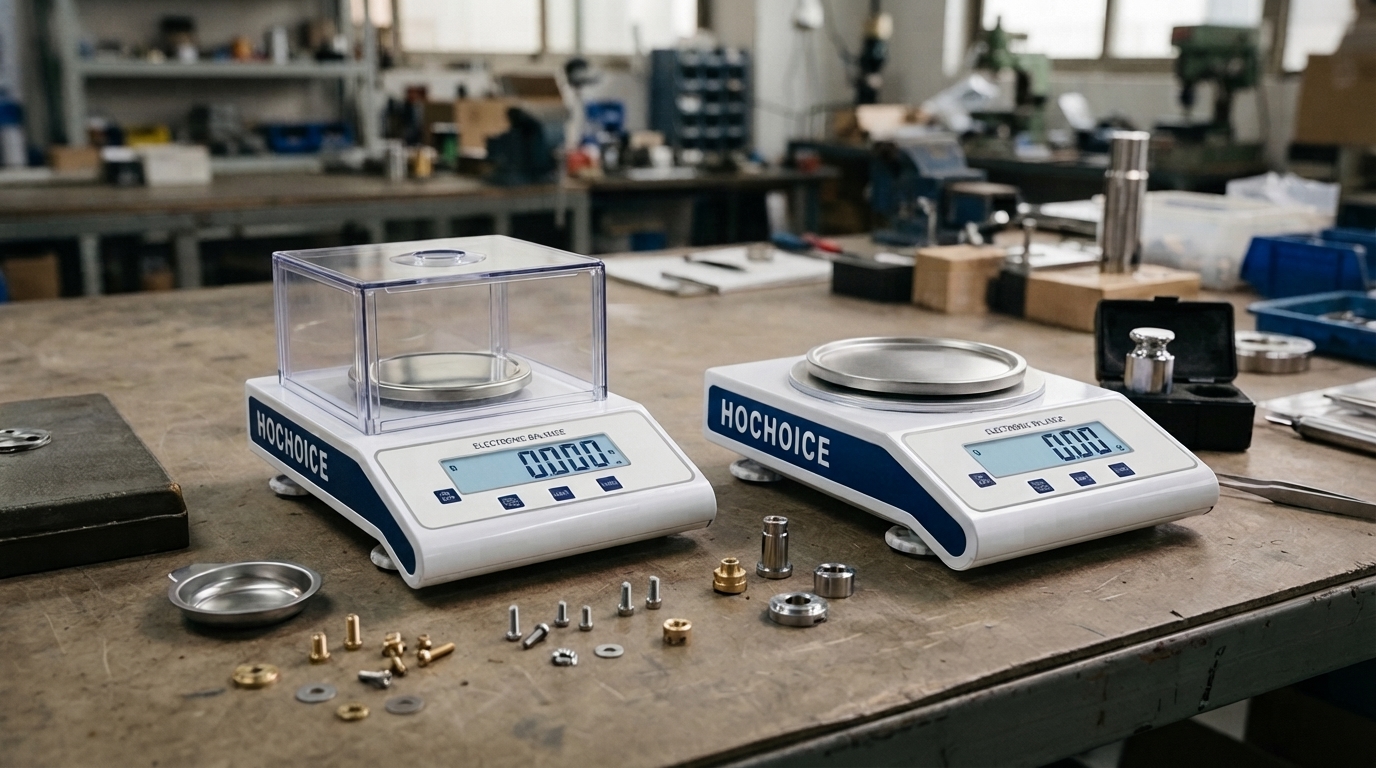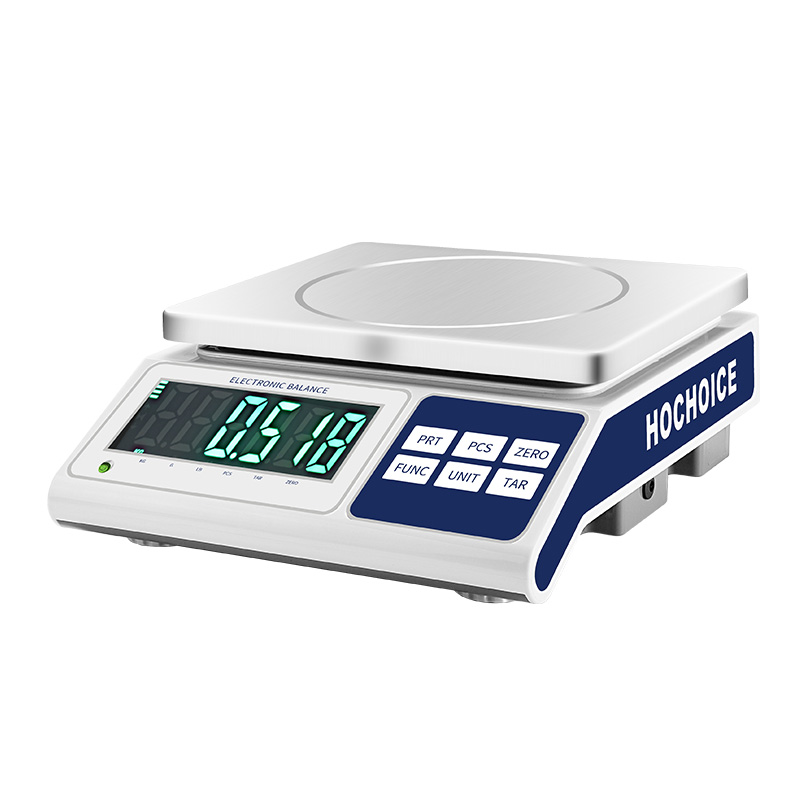

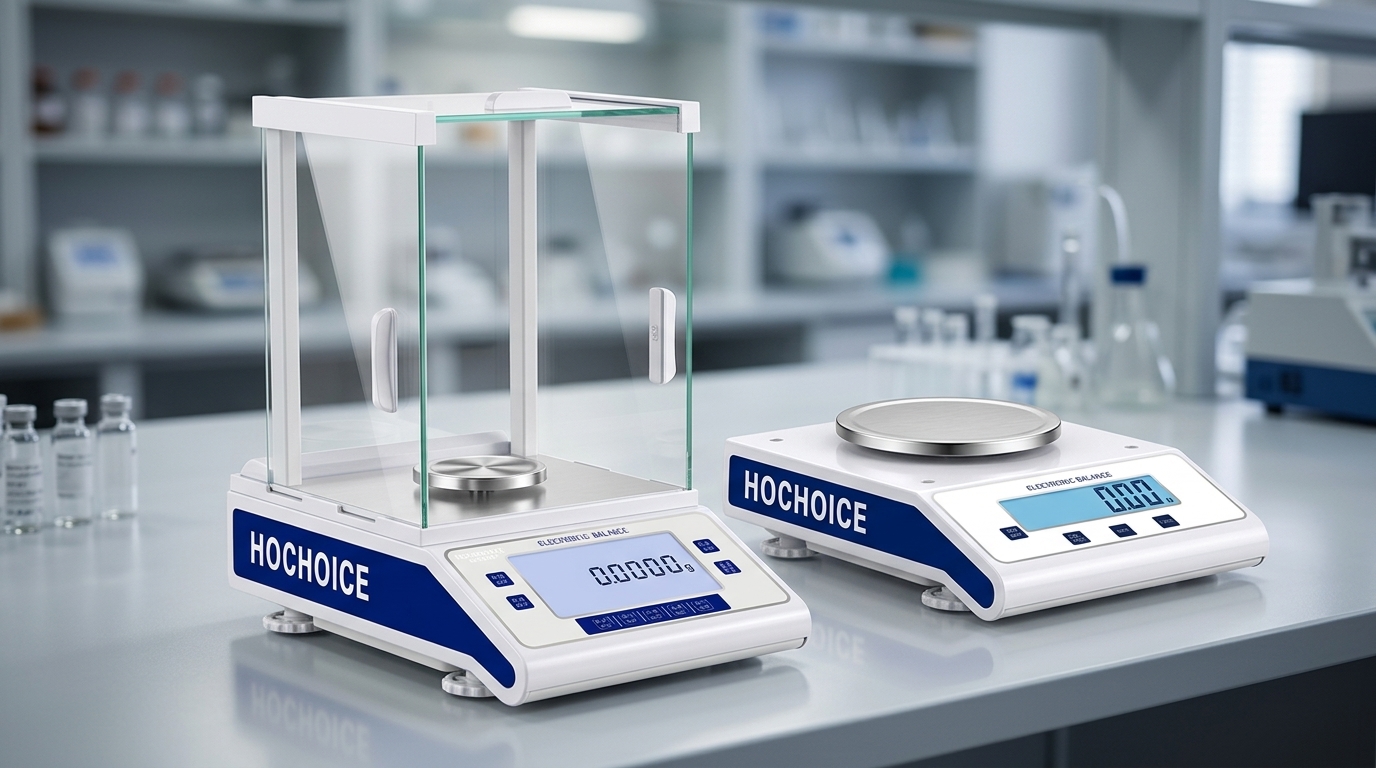
Analytical balances and precision balances are both used to measure mass in laboratories, research facilities, and quality control environments. Although the names are sometimes used interchangeably, the instruments may differ in readability, capacity, draft protection, and intended applications.
Understanding these differences helps laboratories select equipment that matches their measurement requirements instead of paying for specifications they do not need.
An analytical balance is designed for weighing applications that require high sensitivity and careful control of measurement conditions.
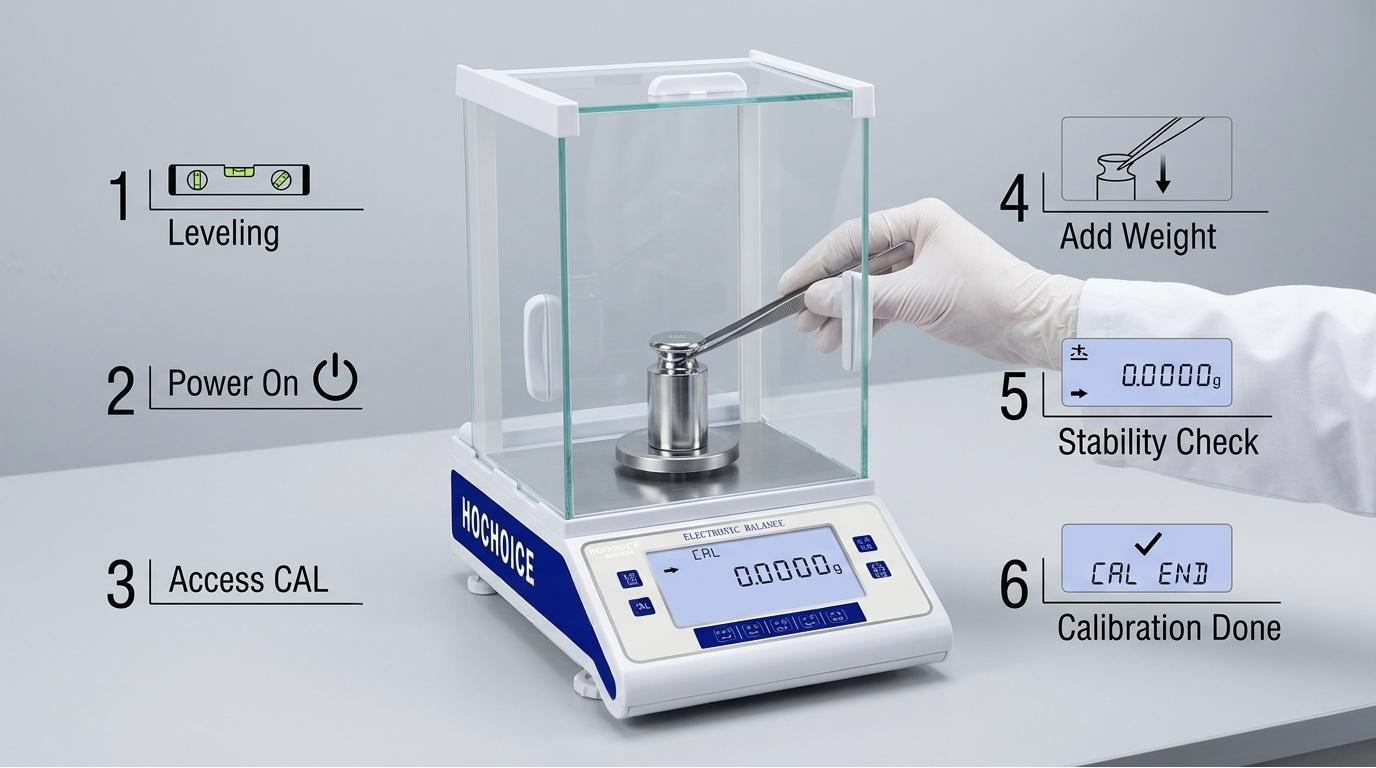
Many analytical balances offer readability of 0.1 mg, equivalent to 0.0001 g. These instruments commonly include a draft shield to reduce the influence of air movement around the weighing pan.
Analytical balances are often used for chemical sample preparation, pharmaceutical research, material testing, and other applications where small mass differences are important.
However, the suitability of a balance depends on its actual performance specifications and the requirements of the procedure, not simply its product category.
A precision balance is a broad category of weighing instrument designed for accurate routine measurements across different capacities and readability levels.
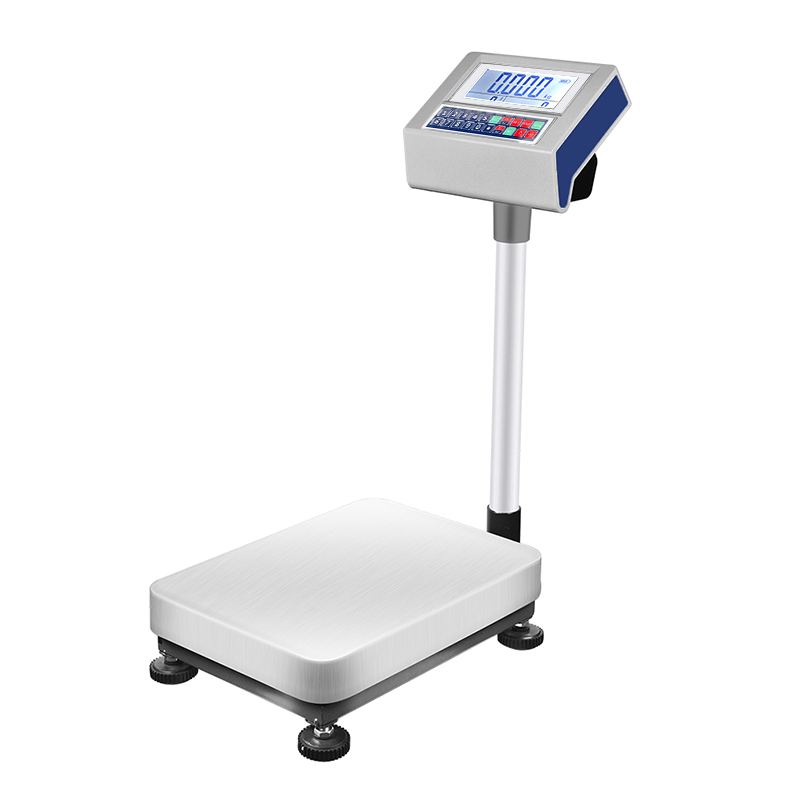
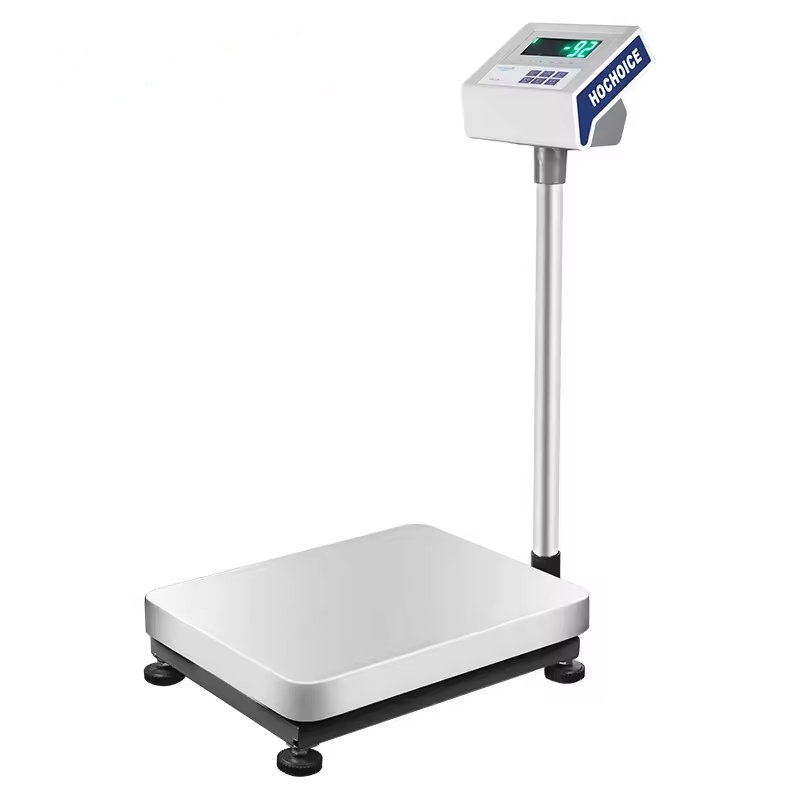
Depending on the model, readability may be 0.001 g, 0.01 g, or another value. Some precision balances are designed for small laboratory samples, while others support larger loads used in production and quality control.
Precision balances can be useful for preparing batches, weighing components, checking raw materials, and performing routine laboratory measurements.
The term does not refer to one universal specification. Buyers should compare the individual model's readability, repeatability, capacity, and other performance data.
Readability
Analytical balances commonly provide finer readability for small-mass measurements. Precision balances cover a wider range of readability and capacity combinations.
Capacity
Many analytical balances prioritize sensitive measurement over high capacity. Precision balances are available in configurations that accommodate larger samples and containers.
Draft protection
Analytical balances with very fine readability commonly use a draft shield to reduce disturbances from air movement. Some precision balances also include a shield, depending on their design and intended use.
Working environment
Both instrument types require suitable installation and operating conditions. Fine-resolution weighing can be particularly sensitive to drafts, vibration, temperature changes, and electrostatic effects.
Application requirements
Analytical balances are often selected for demanding small-sample work. Precision balances are frequently chosen for routine weighing, production preparation, and general quality control. The exact application and required tolerance should guide the decision.
Begin by identifying the smallest sample mass you need to measure and the maximum acceptable weighing error.
Next, determine the largest combined load, including the sample and its container. Compare this requirement with the balance capacity and the usable weighing range.
Review the manufacturer's repeatability and linearity specifications. Consider whether the application requires a draft shield, computer connectivity, a printer, or specialized weighing functions.
Finally, assess the actual operating environment. An instrument with very fine readability may not deliver the expected performance if the workbench vibrates or air movement is uncontrolled.
A balance displaying more decimal places is not automatically the better instrument for every task.
For example, a routine production process involving relatively large components may benefit more from a higher-capacity precision balance than from a lower-capacity analytical balance. Conversely, a procedure requiring careful measurement of small reagent quantities may justify the additional sensitivity of an analytical model.
The correct choice balances measurement requirements, capacity, repeatability, environmental conditions, and total workflow needs.
Analytical balances are generally selected for highly sensitive weighing tasks, while precision balances cover a broader range of routine laboratory and production applications.
The most suitable instrument is the one that meets the required weighing tolerance across the intended operating range. Compare complete specifications and real application needs before choosing a balance.