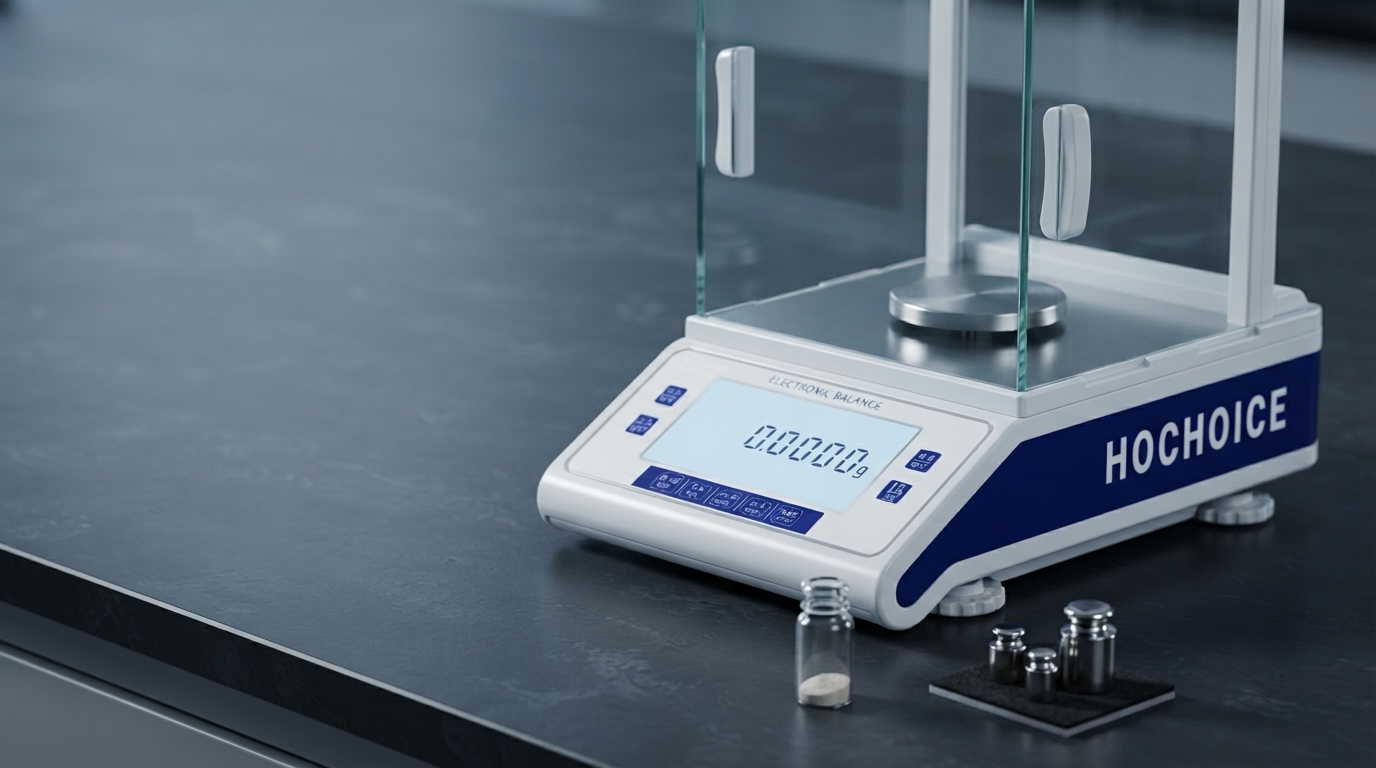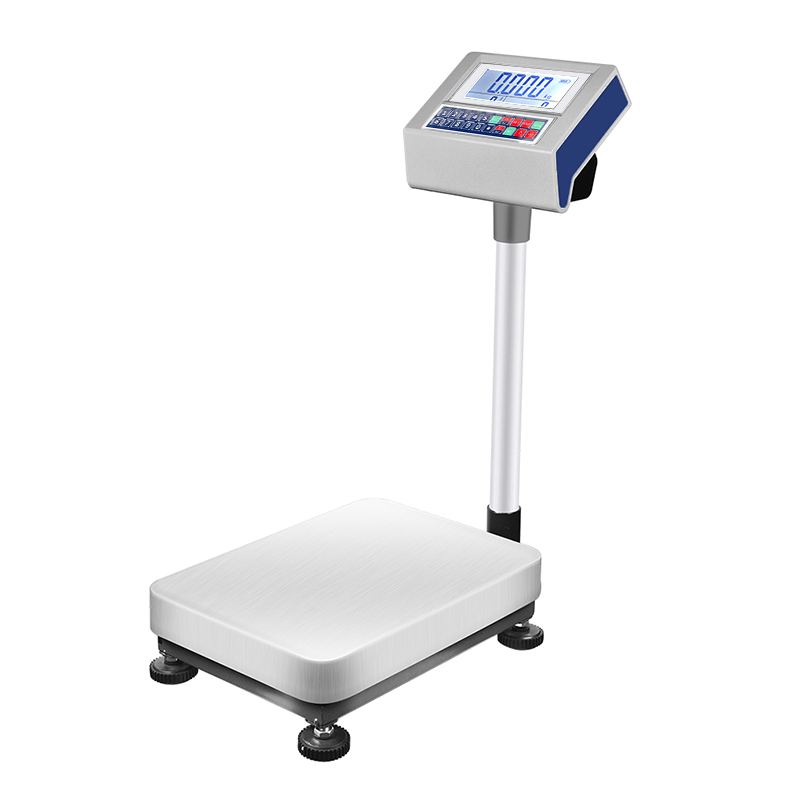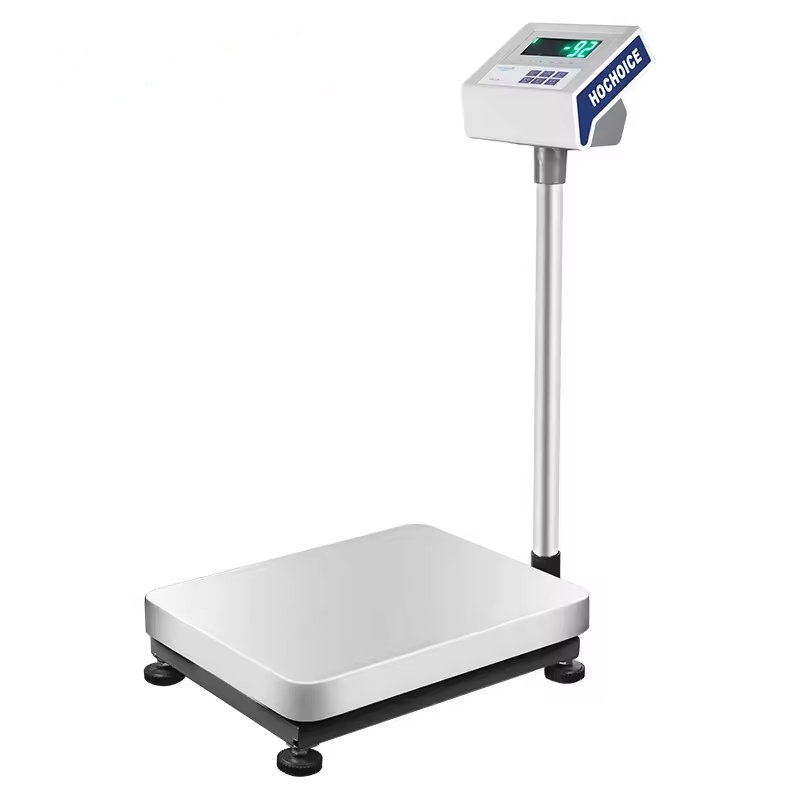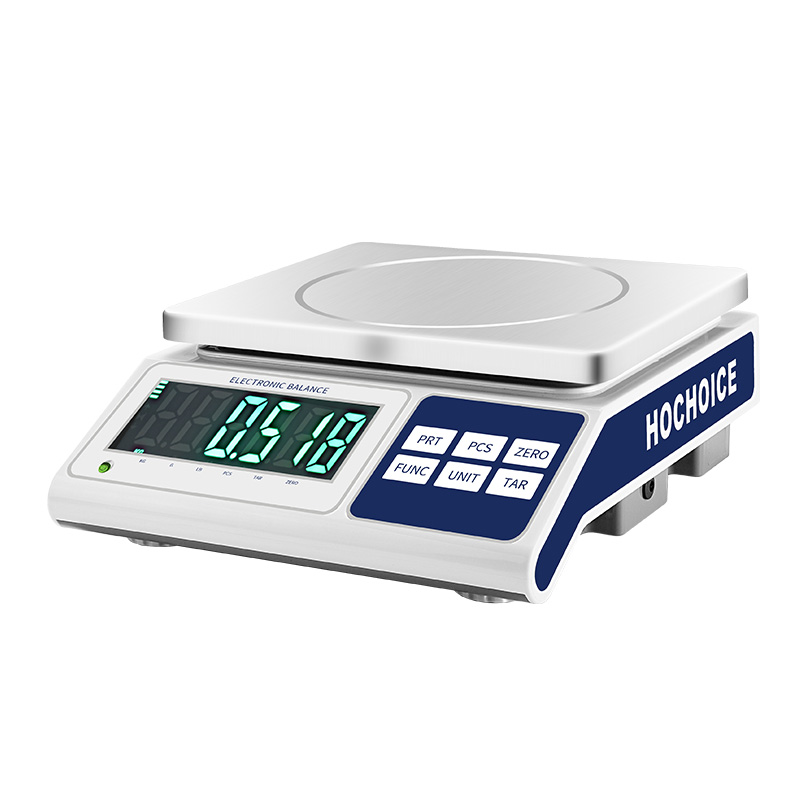

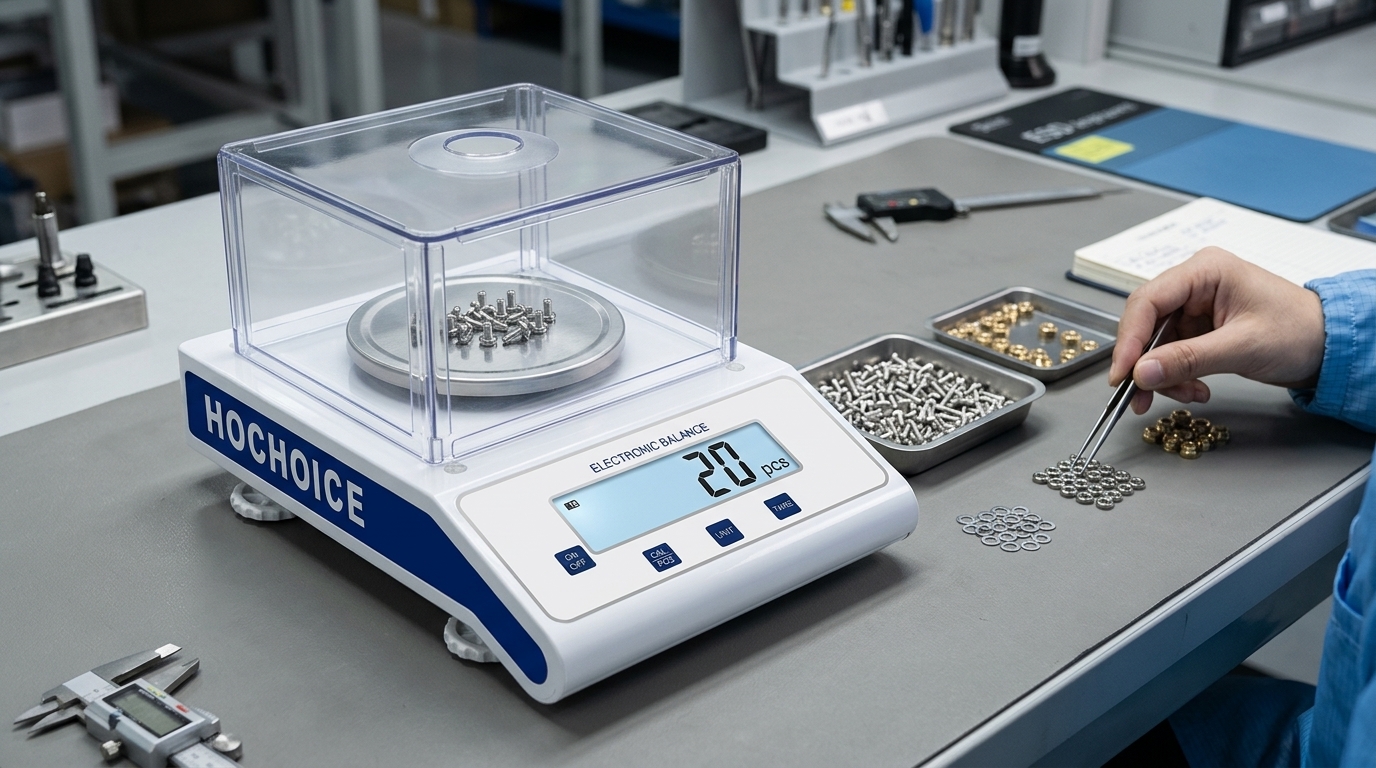
Counting hundreds or thousands of small components manually can be time-consuming and prone to human error. In manufacturing, warehousing, electronics assembly, and inventory management, an electronic balance with a counting function can help operators process large quantities more efficiently.
However, reliable parts counting depends on more than the balance itself. Sample selection, individual piece-weight consistency, balance readability, and operating procedures all influence the final result.
An electronic balance estimates the number of items in a batch by determining their average weight.
First, the operator weighs a known quantity of representative parts. The balance then determines the average weight of one part. When a larger batch is placed on the balance, the instrument estimates the quantity by dividing the total net weight by the average piece weight.
For example, suppose 50 identical screws weigh 25 grams in total. The average weight of one screw is 0.5 grams.
If another batch has a net weight of 500 grams, the estimated quantity is 1,000 screws.
This method can reduce manual counting time when the components have reasonably consistent individual weights.
The reference sample determines the average piece weight used for subsequent calculations. If the sample does not represent the full batch, the final count may be inaccurate.
For example, a sample containing unusually heavy or lightweight parts can introduce a counting error.
To improve reliability, select parts from different locations within the batch. Increase the sample size when individual piece weights vary. Verify the actual quantity of the reference sample before entering it into the balance.
A larger sample often provides a better estimate of average piece weight, although the appropriate sample size depends on the components and the balance's performance.
Balance readability is particularly important when counting lightweight components.
If each part weighs only a small fraction of a gram, the balance must be capable of detecting meaningful changes in the total sample weight. Otherwise, rounding and measurement limitations may lead to noticeable counting errors.
When selecting equipment, consider the weight of an individual component, the variation between components, the size of each batch, the required counting accuracy, and the maximum combined weight of the parts and their container.
A balance with finer readability is not automatically the best choice for every application. Capacity, repeatability, environmental conditions, and component characteristics must also be considered.
Containers, trays, and packaging can add substantial weight to a counting operation.
Place the empty container on the balance and use the tare function if available. This allows the balance to display the net weight of the components rather than the combined weight of the container and parts.
For routine inventory work, using consistent containers and checking the tare setting can help reduce avoidable inconsistencies.
Counting by weight is an estimation method rather than a direct inspection of every individual part. Its reliability depends on the assumption that the items have sufficiently similar weights.
For high-value components, critical assemblies, or customer orders with strict quantity requirements, consider manually verifying a portion of the batch or using an independent counting method.
If discrepancies occur repeatedly, investigate whether the cause is inconsistent component weight, an incorrect reference sample, insufficient balance readability, or an unsuitable operating procedure.
An electronic balance with a counting function can support component receiving, inventory checks, production preparation, kitting, and packaging verification.
Before selecting equipment, evaluate the smallest individual part, the largest batch, the required counting tolerance, and the frequency of use. These factors provide a more practical basis for choosing a suitable weighing solution than capacity alone.
Accurate parts counting starts with a representative sample and a suitable electronic balance. By controlling sample quality, container weight, and component variation, businesses can improve inventory consistency while reducing repetitive manual work.