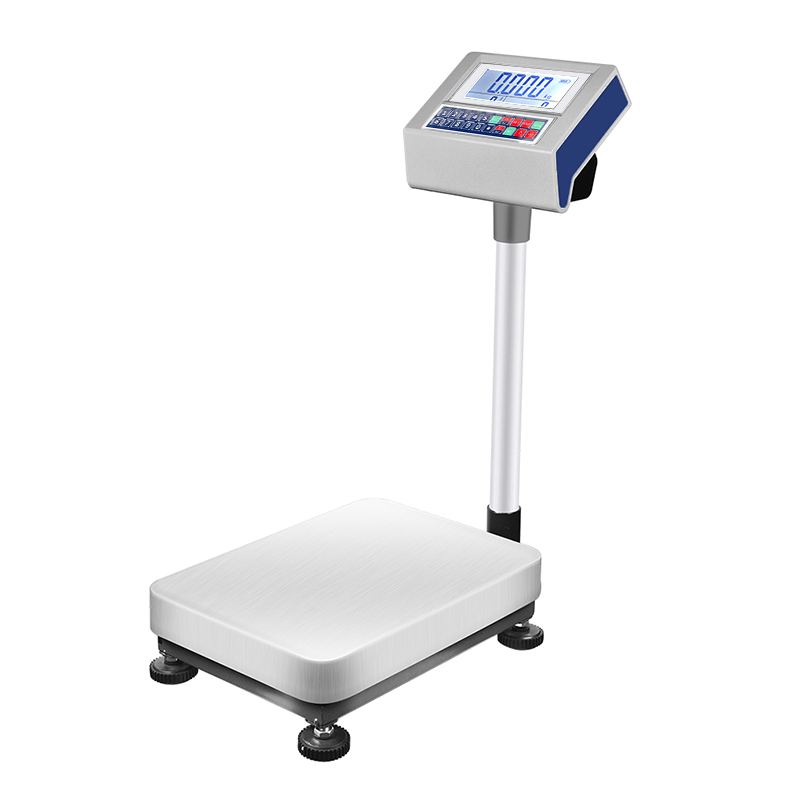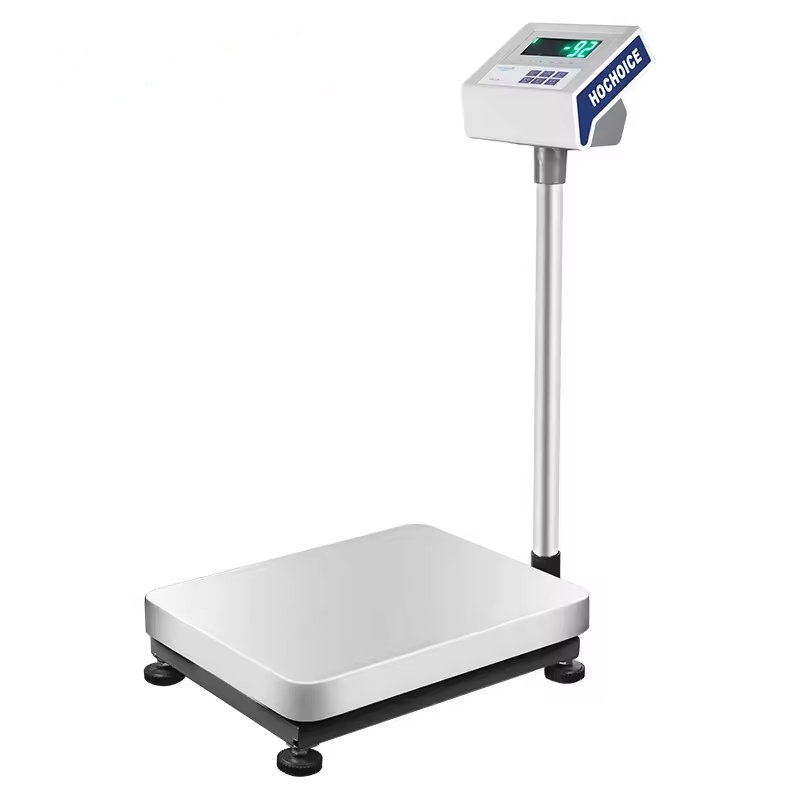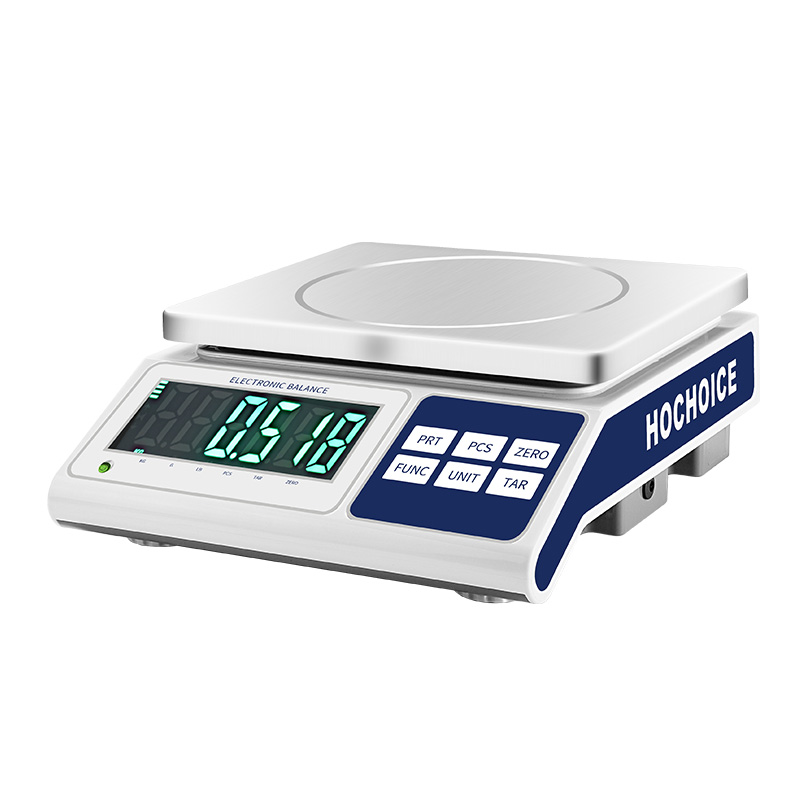


Electronic balances are widely used in laboratories, manufacturing facilities, educational institutions, and quality control departments. Depending on the application, users may need to measure samples in grams, milligrams, kilograms, carats, or other supported units.
Selecting the correct weighing unit is essential for consistent measurements, clear documentation, and reliable communication between operators.
A weighing unit expresses the mass measured by an instrument. Different units are useful for different sample sizes and industries.
Grams are commonly used for routine laboratory weighing, material preparation, and general quality control.
Milligrams are useful when working with smaller quantities, particularly in laboratory procedures that require more detailed mass measurements.
Kilograms are commonly used for larger loads, production materials, and industrial weighing applications.
Carats are used in applications involving gemstones and certain jewelry-related measurements.
Not every electronic balance supports every unit. Available units depend on the instrument's design and software.
Grams and milligrams are closely related metric mass units.
One gram equals 1,000 milligrams. One milligram equals 0.001 gram.
For example, a sample weighing 2.5 grams is equivalent to 2,500 milligrams. A sample weighing 125 milligrams is equivalent to 0.125 gram.
Understanding this relationship helps prevent errors when transferring measurements between laboratory worksheets, production records, and software systems.
The most suitable unit depends on the weighing procedure and how the results will be used.
For routine laboratory work, grams may be the most convenient choice. For small sample quantities, milligrams may make the recorded values easier to interpret. For larger materials, kilograms may be more practical if supported by the instrument.
When choosing a unit, consider the original test method, the units required by the receiving software, and the format used in your organization's records.
Do not select a unit simply because it produces a larger or smaller displayed number. The measurement must remain clear and consistent with the intended application.
A common source of data error is recording a numerical value without confirming its unit.
For example, a recorded value of 0.5 g represents a different mass from 0.5 mg. Confusing these values creates a difference of a factor of 1,000.
Before recording or transferring a measurement, confirm the unit shown on the display. If the result is exported to a computer, verify that the software interprets the unit correctly.
When multiple operators use the same instrument, establish a consistent unit-selection procedure and include the unit in all relevant records.
Changing the displayed unit does not improve the underlying performance of a balance.
For example, converting a measurement from grams to milligrams changes how the value is expressed. It does not increase the instrument's measurement capability or make an uncertain reading more accurate.
Users should distinguish between readability, accuracy, repeatability, and the selected unit. These are different aspects of weighing performance.
When an application requires small mass measurements, confirm that the balance's specifications and demonstrated performance are appropriate for the required tolerance.
To improve consistency, use the following practices.
Confirm the required unit before starting a weighing procedure.
Check the displayed unit before writing down a result.
Use consistent units throughout calculations and reports.
Verify that spreadsheets and data-recording software do not automatically change numerical formats or remove unit information.
When converting units, use the correct conversion factor and retain sufficient decimal places for the intended calculation.
Choosing the correct weighing unit is a simple but important part of reliable weighing practice. By selecting a unit that matches the application, checking the display before recording results, and maintaining consistent documentation, laboratories and production teams can reduce avoidable measurement errors.
When selecting an electronic balance, review its available weighing units alongside readability, capacity, repeatability, and the requirements of your workflow.