

Accurate ingredient weighing is an important part of batch preparation in industries such as chemicals, food processing, cosmetics, materials manufacturing, and laboratory production.
When a formulation contains multiple ingredients, even a small weighing error can affect the consistency of the finished batch. An appropriately selected electronic balance and a standardized weighing procedure help operators manage material quantities more reliably.
Batch weighing is the process of measuring individual ingredients or materials according to a defined production recipe or formulation.
Each ingredient has a target mass. Operators weigh the required quantity, record the result, and confirm that it meets the process requirements before the material is added to the batch.
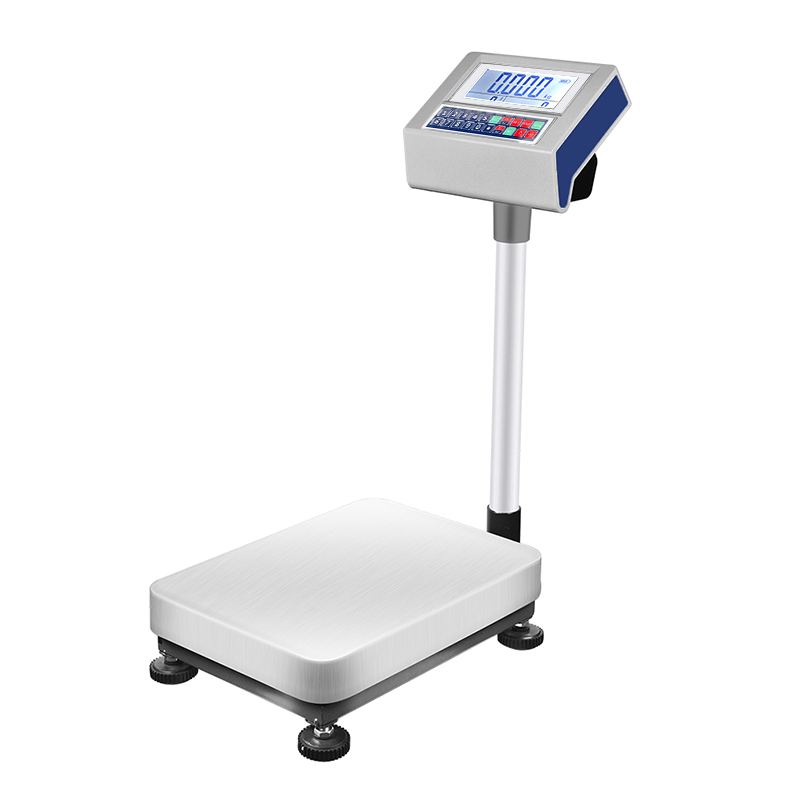
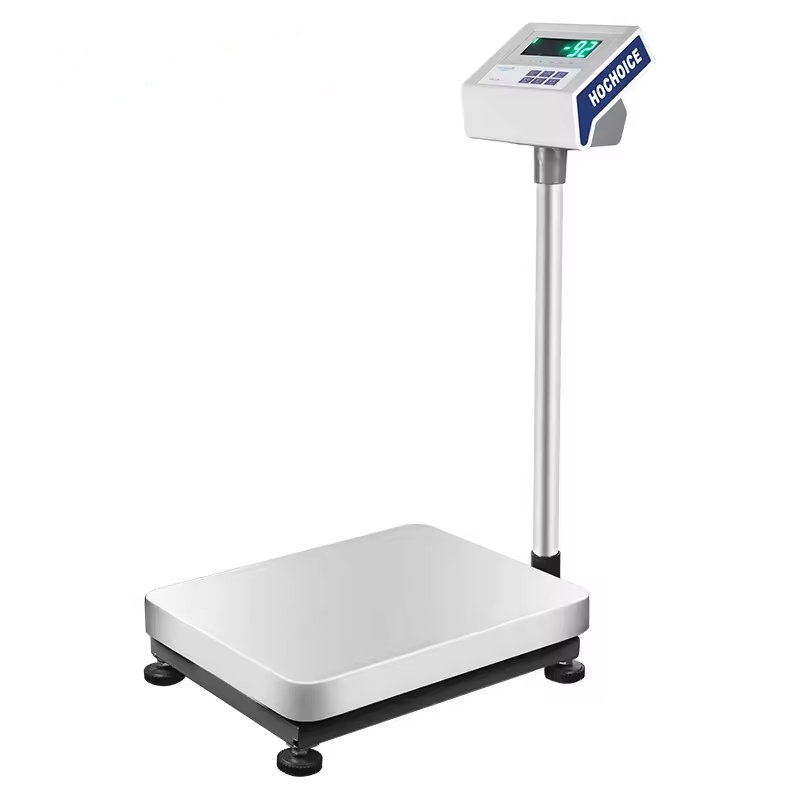
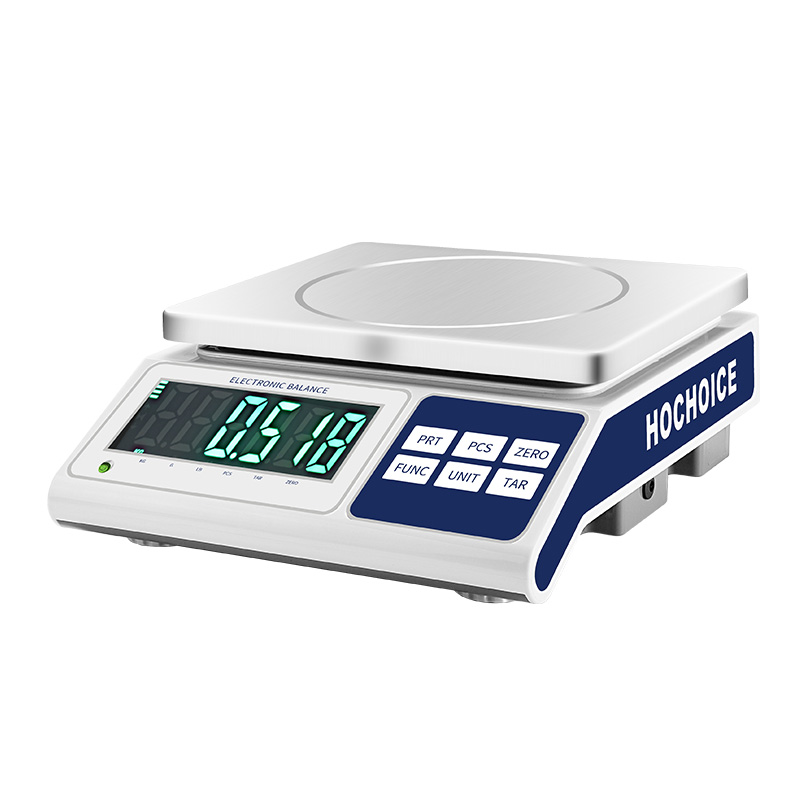
Electronic balances can support this workflow by providing digital readings and, on compatible models, functions such as tare, preset limits, counting, or data output.
The functions available depend on the instrument. A balance should be selected according to the specific production requirements rather than assumed to include every feature.
The first step is to identify the mass range and tolerance required for each ingredient.
Small quantities may require a balance with finer readability and suitable repeatability. Larger quantities may require greater capacity. The weighing container must also fit safely on the pan without exceeding the rated load.
If a formulation contains both small additives and bulk ingredients, one balance may not be appropriate for every weighing step. Different balances may be needed to meet the accuracy and capacity requirements of the process.
Consider the smallest ingredient quantity, the largest expected load, the container dimensions, and the required weighing tolerance before choosing equipment.
A repeatable procedure helps reduce variation between operators and production shifts.
First, confirm the formulation version and the target quantity for each ingredient. Prepare clean containers and identify the materials before weighing.
Next, place the empty container on the balance and use the tare function when appropriate. Add the ingredient gradually until the target mass is reached.
Allow the display to stabilize before recording the result. Confirm that the displayed unit is correct and that the measured mass meets the applicable process tolerance.
Finally, label or identify the weighed material according to the production procedure. Keep the record associated with the correct batch and ingredient.
In multi-ingredient formulations, identification errors can be as important as weighing errors.
Use clear container labels, organized material staging, and a documented sequence for adding ingredients. Avoid placing several unidentified containers beside the balance at the same time.
For critical formulations, consider independent verification of ingredient identity and target mass before the material enters the production batch.
A weighing instrument provides the mass measurement, but the complete process must also control material identification and handling.
Batch records allow operators and quality teams to review whether each ingredient was weighed according to the formulation.
Depending on the production requirements, useful information may include the ingredient name or code, target mass, actual mass, unit, batch identifier, date, operator, and any required verification.
Compatible electronic balances may transfer readings to a computer or other recording system. Before routine use, confirm that the connection captures the correct value and unit and that records are stored according to the organization's procedures.
Automatic data transfer can reduce manual entry, but it does not replace the need to verify the complete data workflow.
Scaling a formulation up or down requires careful calculation of the target quantities.
For example, if a recipe is designed for a 10 kg batch and production needs a 25 kg batch, the ingredient quantities may need to be multiplied by a factor of 2.5, provided the formulation is intended to scale proportionally.
However, some production processes have constraints that prevent simple linear scaling. Always follow the approved formulation and process instructions rather than adjusting ingredient quantities solely from the batch size.
After scaling, confirm that every target quantity falls within the suitable weighing range of the selected instrument.
Consistent weighing depends on suitable equipment, a stable weighing environment, clear material identification, and repeatable operating procedures.
Review recurring deviations and investigate whether they relate to balance suitability, material handling, incorrect target values, container management, or data recording.
The objective is not simply to reach a number on the display. It is to ensure that each ingredient is measured, identified, and documented in a way that supports a consistent production process.
An electronic balance can support reliable batch weighing when the instrument matches the required mass range and the weighing procedure is consistently followed.
By standardizing ingredient identification, tare practices, target verification, and batch records, manufacturers can improve weighing consistency and reduce avoidable production errors.