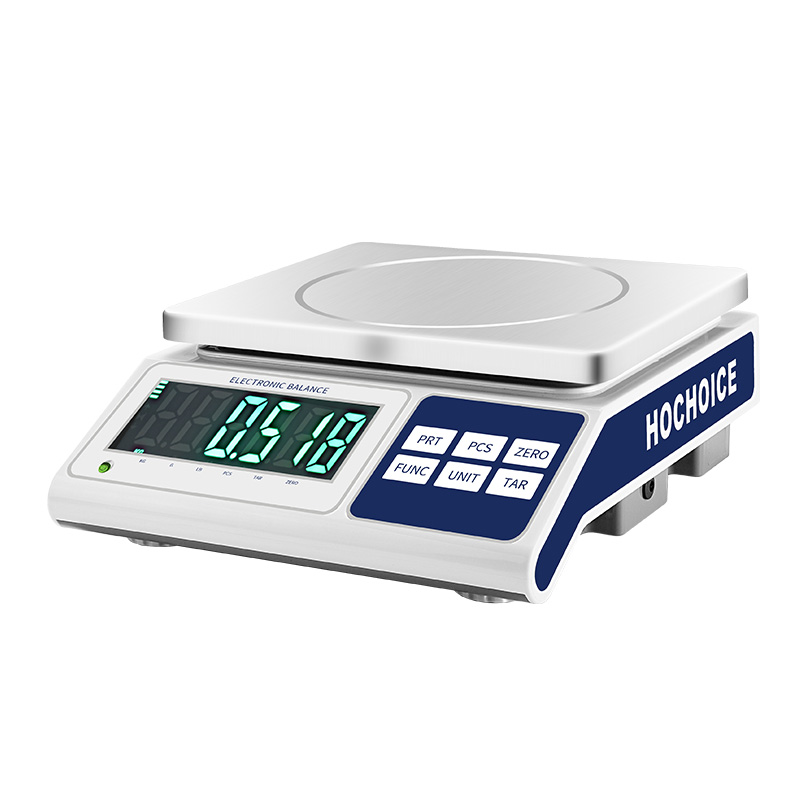

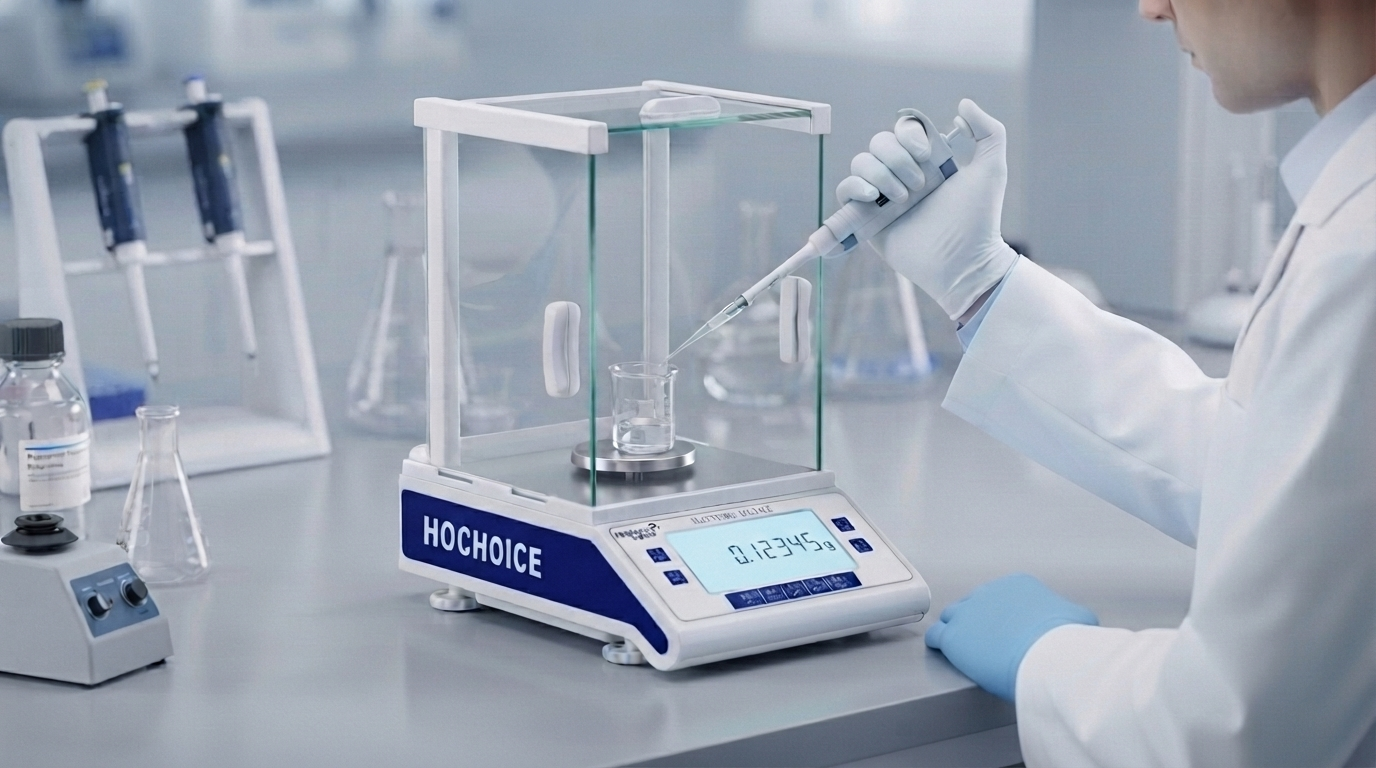
Pipettes are widely used in analytical chemistry, pharmaceutical research, biotechnology, and quality control laboratories. Their ability to deliver a specified liquid volume is important for experiments that require consistent sample preparation.
One established approach to evaluating pipette delivery performance is the gravimetric method. This method uses a balance to measure the mass of dispensed liquid, which can then be used to estimate the delivered volume under defined conditions.
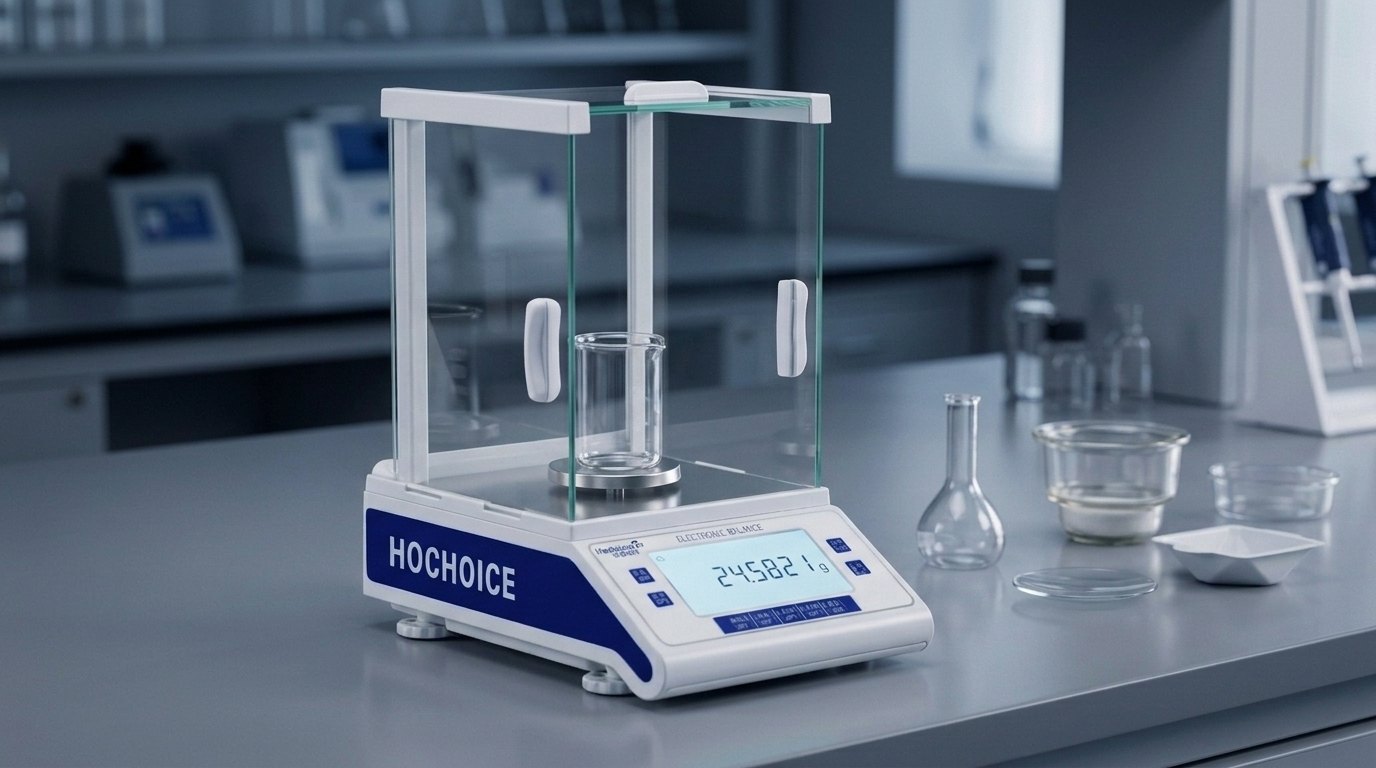
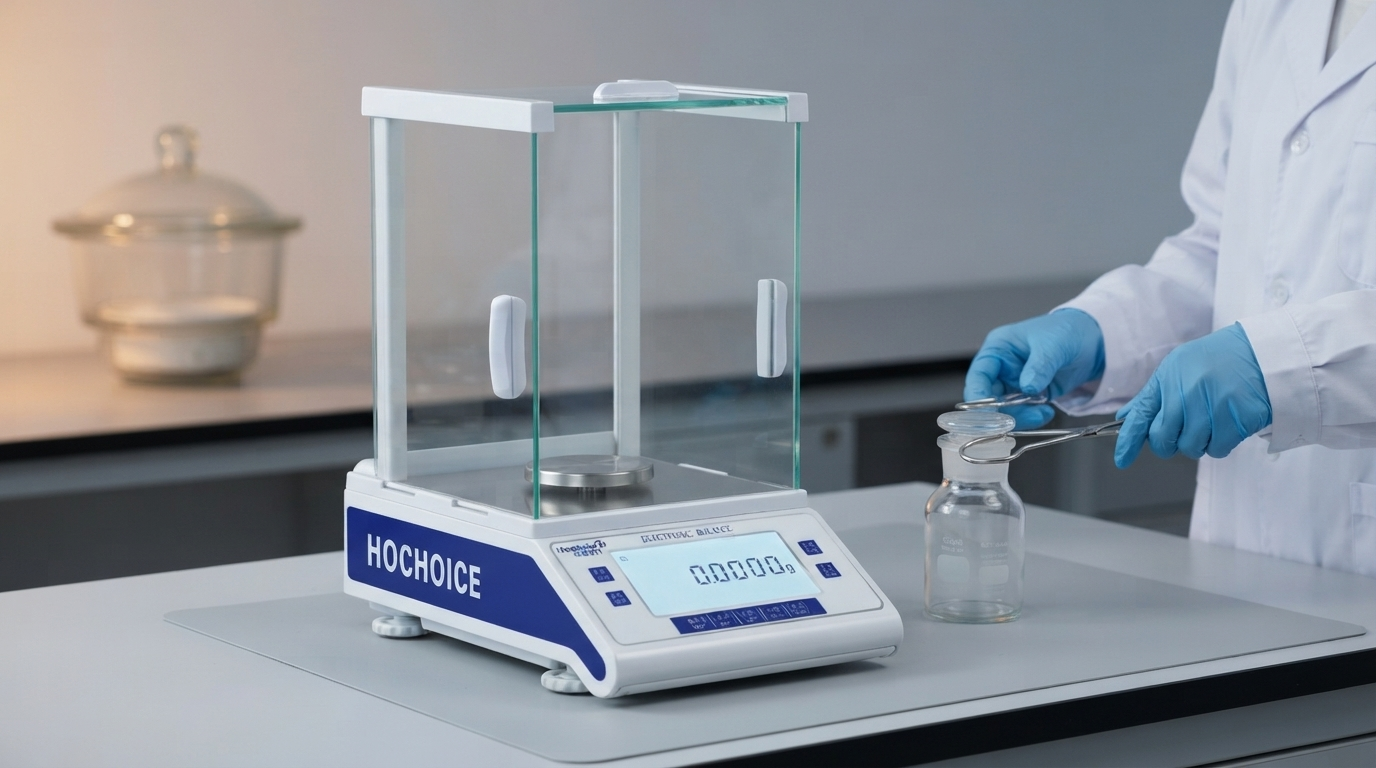
An analytical balance can therefore play an important role in pipette performance verification.
Gravimetric pipette testing determines the mass of a liquid delivered by a pipette. When the liquid density is known or appropriately determined, the measured mass can be converted into a volume.
For water, the relationship between mass and volume depends on temperature and other relevant conditions. Accurate testing therefore requires more than simply weighing a quantity of dispensed water.
The procedure should follow an applicable standard or validated laboratory method. Factors such as water temperature, air temperature, humidity, evaporation, and liquid density may need to be considered.
The balance must be appropriate for the expected liquid mass and the uncertainty requirements of the pipette being evaluated.
Consider the balance readability, repeatability, capacity, and performance over the relevant weighing range. A balance that is suitable for a large-volume pipette may not be appropriate for evaluating a very small-volume pipette.
The weighing vessel must also fit safely on the pan. Its mass, together with the dispensed liquid, must remain within the instrument's capacity.
The required balance performance should be determined from the test method rather than selected solely by the number of decimal places displayed.
Gravimetric measurements can be sensitive to environmental conditions.
Place the balance on a stable surface away from vibration and direct air currents. Allow the instrument to reach its specified operating condition before testing.
Use a suitable weighing vessel and follow the method's instructions for positioning it on the balance. Where applicable, use a draft shield to reduce disturbances caused by air movement.
Record relevant environmental conditions when required by the testing procedure.
Evaporation can reduce the mass of a liquid after dispensing, particularly when very small volumes are measured.
To minimize this effect, use an appropriate weighing vessel and follow the method's recommended timing and handling sequence. A vessel with a suitable opening or cover may help reduce evaporation when permitted by the procedure.
Avoid unnecessary delays between dispensing and recording the mass. Keep the measurement process consistent across repeated tests.
Do not introduce an improvised correction unless it is supported by the applicable method.
A typical gravimetric test involves preparing the balance and weighing vessel, dispensing the specified liquid volume, and recording the resulting mass.
Depending on the method, multiple measurements may be required to assess both the average delivered amount and the variation between individual deliveries.
Follow the pipette manufacturer's instructions for aspiration, dispensing, and tip handling. Inconsistent pipette operation can affect the test result even when the balance is performing correctly.
The delivered liquid volume can be estimated from its measured mass and density.
The general relationship is:
Volume = Mass ÷ Density
For accurate work, use the density value and correction procedures specified by the applicable test method. Water density changes with temperature, so using an inappropriate density value can introduce a systematic error.
Some standardized procedures also account for air buoyancy and other measurement influences. These corrections should be applied according to the relevant standard rather than approximated without justification.
Record the pipette identification, nominal volume, measured masses, relevant environmental conditions, balance identification, test date, and operator information as required.
Calculate the mean delivered volume and evaluate the variation between measurements according to the applicable acceptance criteria.
If the results do not meet the required limits, investigate the pipette, operating technique, environmental conditions, and measurement setup before making a final decision.
An analytical balance provides the mass measurements needed for gravimetric pipette performance verification. Reliable results depend on suitable balance performance, controlled environmental conditions, evaporation management, correct liquid-density information, and a standardized testing procedure.
By integrating appropriate weighing equipment into a documented verification method, laboratories can better evaluate liquid dispensing performance and maintain confidence in their measurement processes.