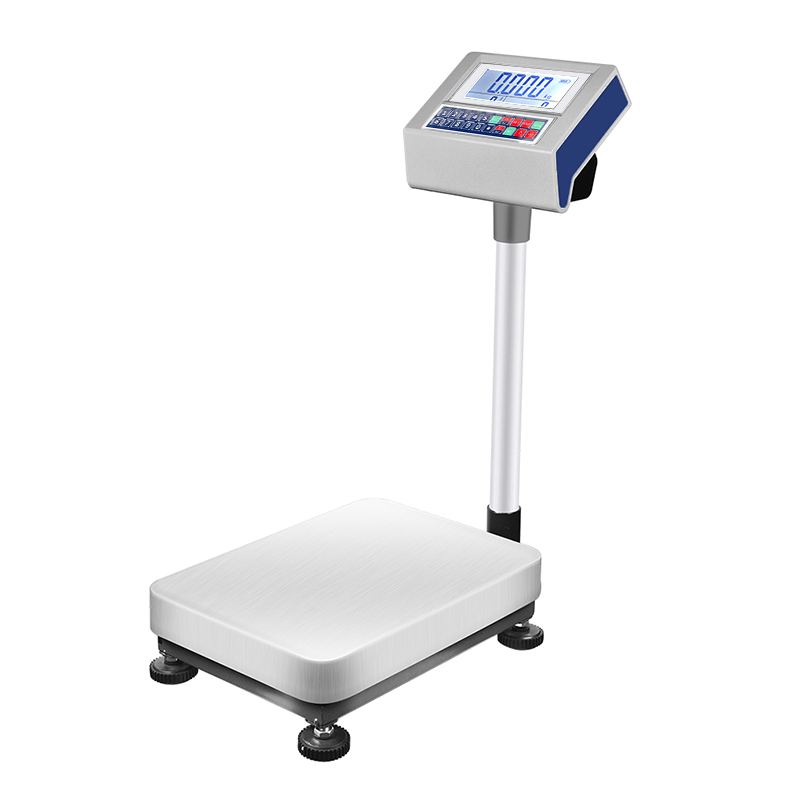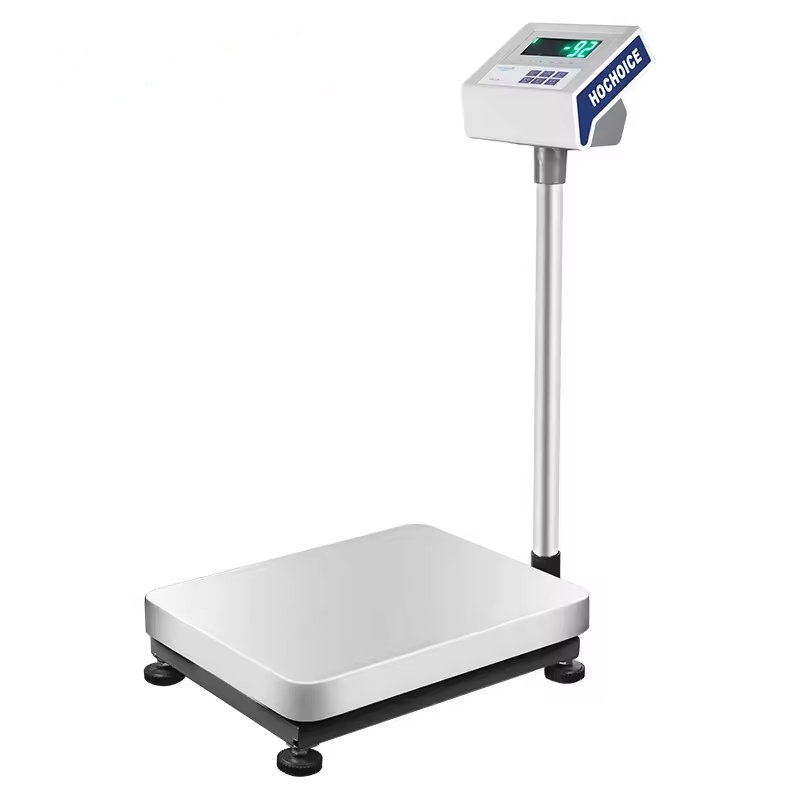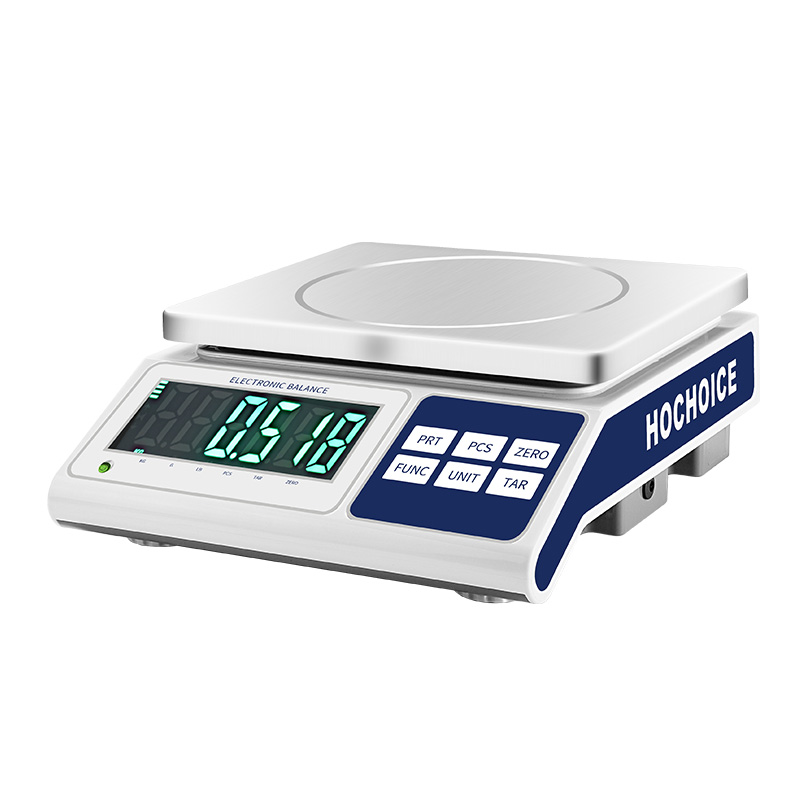


Electronic balances are designed to measure loads within a specified capacity range. When the applied load exceeds the instrument's rated limit, the weighing mechanism may be subjected to excessive force.
Overloading can affect measurement performance and, in severe cases, damage sensitive mechanical or electronic components.
Understanding the balance's capacity and following suitable loading practices helps protect the instrument and maintain reliable operation.
The maximum capacity is the greatest load specified for the balance under its stated operating conditions.
This limit includes everything placed on the weighing pan. The mass of a weighing container, fixture, holder, or accessory must be considered together with the sample.
For example, a sample that appears to be within the balance's capacity may exceed the limit when combined with a heavy container.
Before weighing, check the maximum capacity shown in the instrument specifications or operating manual.
Capacity and readability describe different characteristics of a balance.
Capacity indicates the maximum load the instrument is designed to measure. Readability indicates the smallest increment displayed by the instrument.
A balance with very fine readability does not necessarily have a high maximum capacity. Likewise, a high-capacity balance may not provide the fine readability required for small laboratory samples.
Select a balance that meets both the expected load range and the measurement requirements of the application.
Even when the total load is within the rated capacity, careless placement can create unnecessary stress on the weighing mechanism.
Place samples gently and centrally on the weighing pan. Avoid dropping heavy objects, pressing down on the pan, or applying sideways force.
Do not use the weighing pan as a work surface for tools or unrelated materials. Follow the manufacturer's instructions for positioning containers and accessories.
If a large or unusually shaped object must be weighed, confirm that the arrangement is stable and suitable for the instrument.
A common mistake is checking only the sample mass while overlooking the weight of the container or fixture.
Before starting, estimate or measure the total load that will be placed on the pan. Ensure that the complete arrangement remains within the specified capacity.
For routine work involving multiple container types, it may be useful to establish a standard list of approved vessels and their approximate masses.
This helps operators identify potentially unsuitable combinations before they are placed on the balance.
Some electronic balances provide an overload indication when the applied load exceeds a specified limit.
The exact warning behavior depends on the model. An error message or overload symbol should be treated as a signal to remove the excessive load and follow the manufacturer's instructions.
Do not repeatedly apply an excessive load to test the protection function. Do not assume that an overload warning means the instrument is designed to withstand unlimited overloading.
If the balance continues to display an error after the load has been removed, consult the operating manual or contact a qualified service provider.
The weighing pan and its supporting components should be handled carefully.
Avoid impact, side pressure, inappropriate cleaning tools, and the use of accessories that interfere with the pan's movement.
When cleaning or removing the pan, follow the manufacturer's instructions for the exact model. Do not dismantle internal components unless the procedure explicitly authorizes it.
If the pan appears bent, loose, or damaged, stop using the instrument until its condition has been assessed.
A suitable balance should accommodate the largest expected load, including the container and any accessories used during the process.
For laboratory work, consider the mass range of samples and vessels. For production or quality control, consider the size and variation of the materials being weighed.
Do not select equipment based only on the maximum load. The balance must also provide suitable readability and measurement performance across the working range.
If your application regularly approaches the instrument's capacity, consider whether a higher-capacity model is more appropriate.
Consistent handling practices help prevent avoidable damage.
Operators should know the maximum capacity, understand overload indications, use approved containers, and place loads gently on the weighing pan.
Include these instructions in the laboratory or production weighing procedure. Make sure new users understand that an overload warning is not an invitation to test the instrument's limits.
Preventing electronic balance overloading starts with understanding maximum capacity and considering the combined mass of the sample, container, and accessories.
Careful loading, appropriate equipment selection, and operator training help protect the weighing mechanism and support dependable weighing performance. Always follow the manufacturer's operating instructions for the specific balance model.