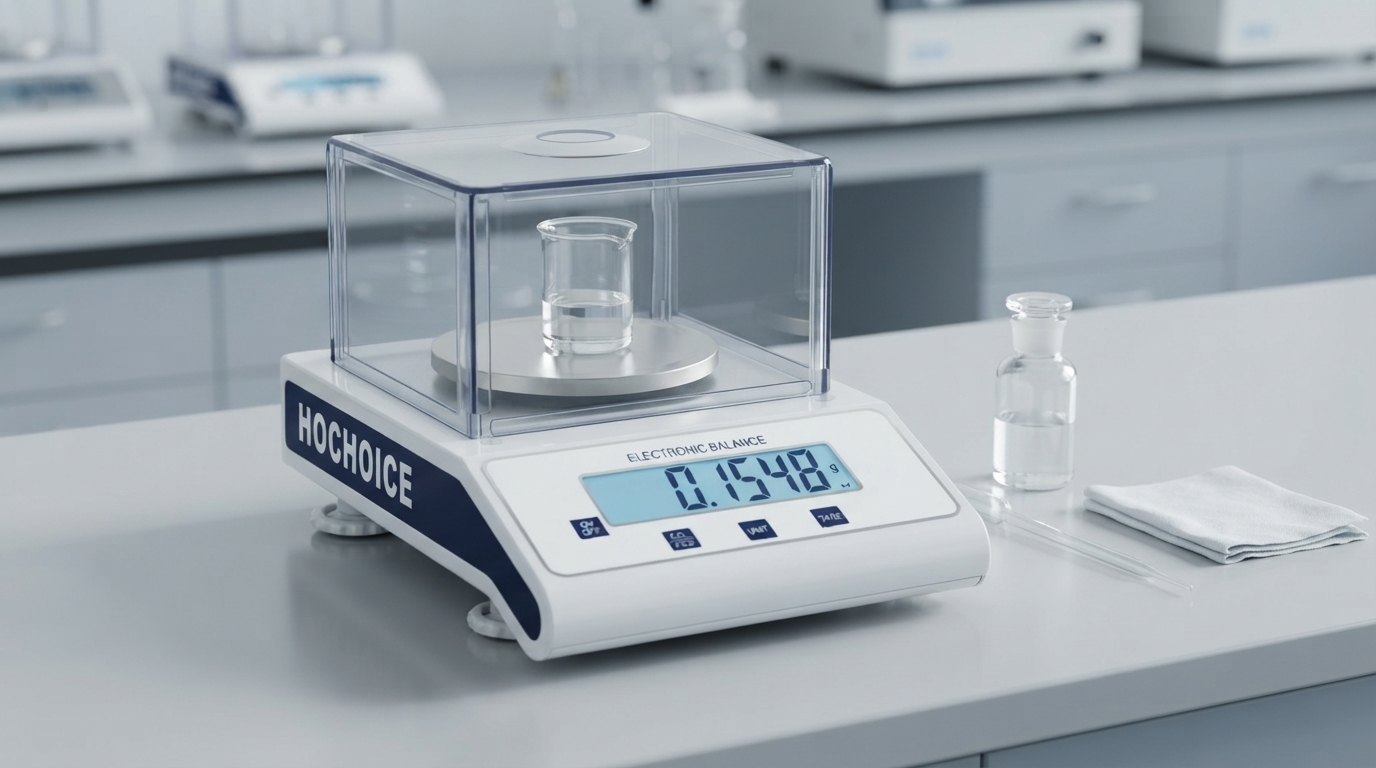

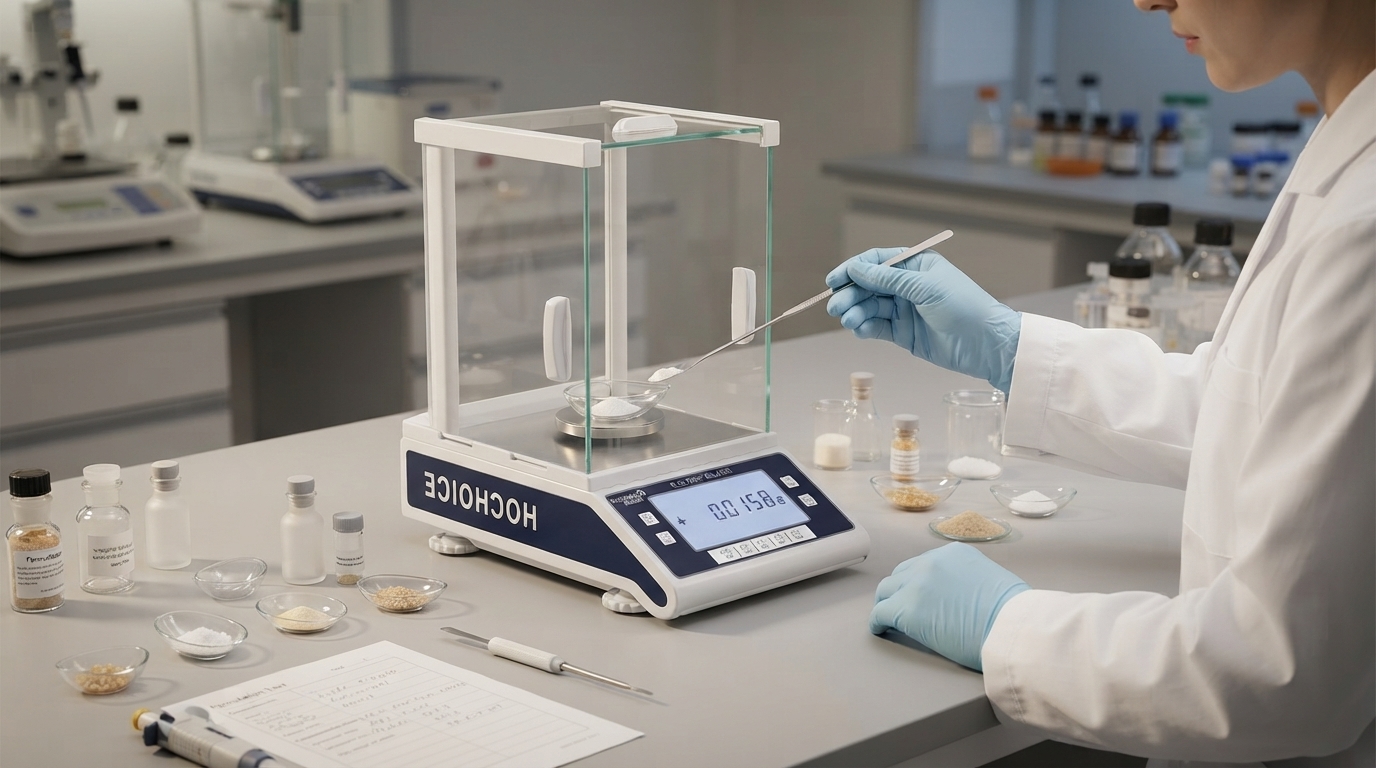
In pharmaceutical research, chemical development, food laboratories, and material testing, preparing a formulation often requires several ingredients to be weighed and combined in specific quantities.
Even a small deviation in one component can affect the properties of the final mixture. This makes batch formulation weighing an important part of laboratory preparation and quality control.
A suitable electronic balance helps operators measure each ingredient with the required readability and repeatability. However, reliable formulation results also depend on the weighing sequence, container selection, sample handling, and preparation records.
A formulation may contain several components with different target masses. Some ingredients may represent the majority of the batch, while others are added in much smaller quantities.
If one component is outside its specified range, the final formulation may show changes in concentration, consistency, performance, or stability.
Accurate weighing helps laboratories:
Maintain the intended ingredient proportions.
Reduce variation between production or research batches.
Control the amount of each component added.
Improve the reproducibility of formulation experiments.
Identify weighing deviations before the next preparation step.
The required weighing accuracy should be determined by the formulation specifications and the quantity of each ingredient.
Not every ingredient requires the same weighing resolution.
A laboratory may need to weigh large quantities of base materials as well as small amounts of active ingredients, additives, or catalysts.
When selecting a balance, consider three important factors.
Readability
Readability determines the smallest displayed increment. A balance with finer readability may be necessary when measuring low-mass ingredients or when the formulation has narrow weighing tolerances.
Capacity
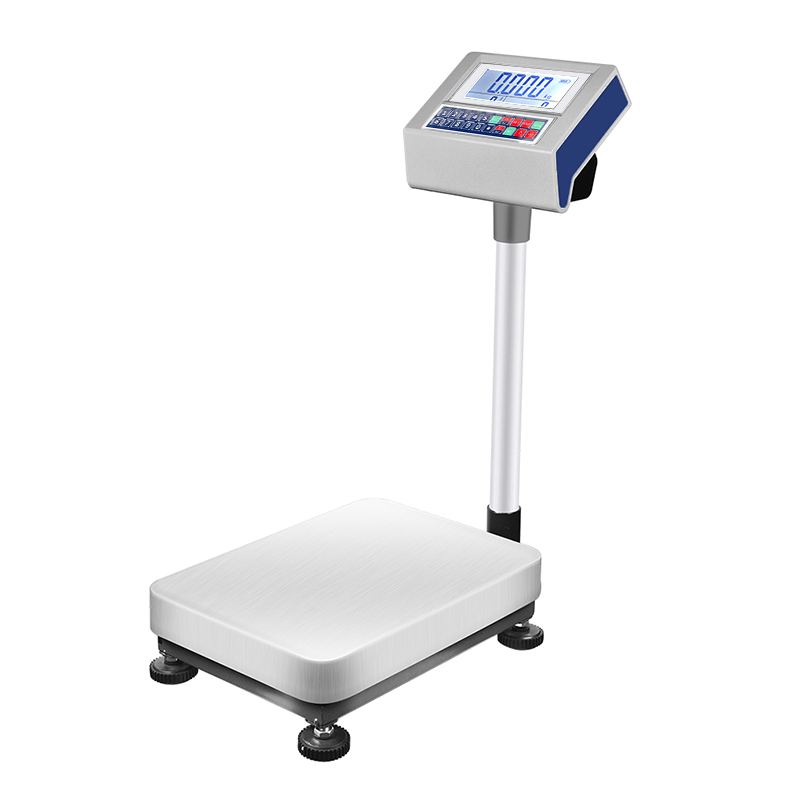
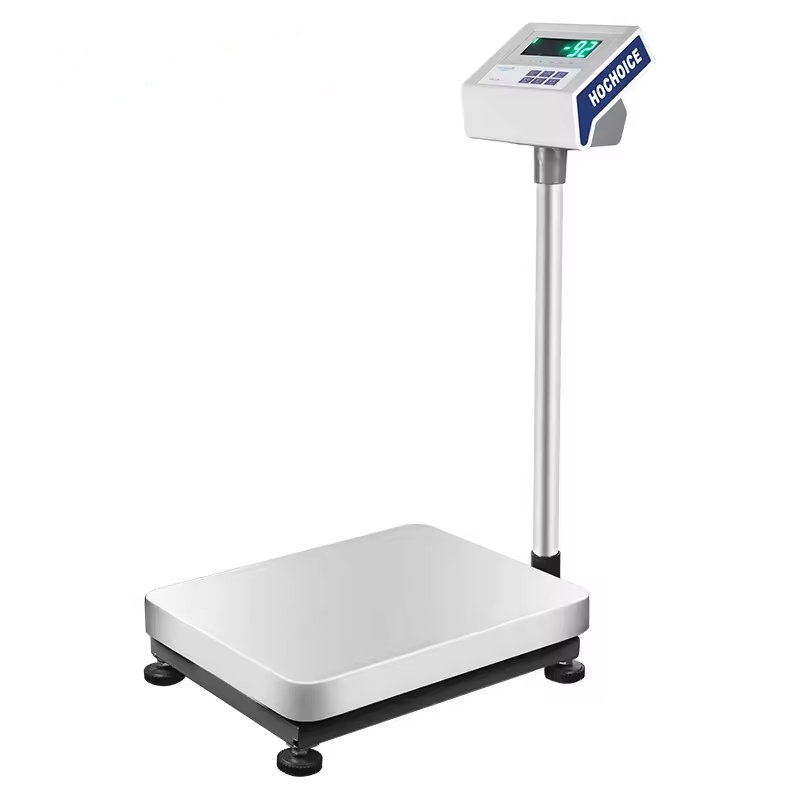
The balance must accommodate the sample, weighing container, and any additional accessories without exceeding its capacity.
Repeatability
Consistent results are important when the same formulation is prepared multiple times. A balance should be evaluated under the actual working conditions and load range.
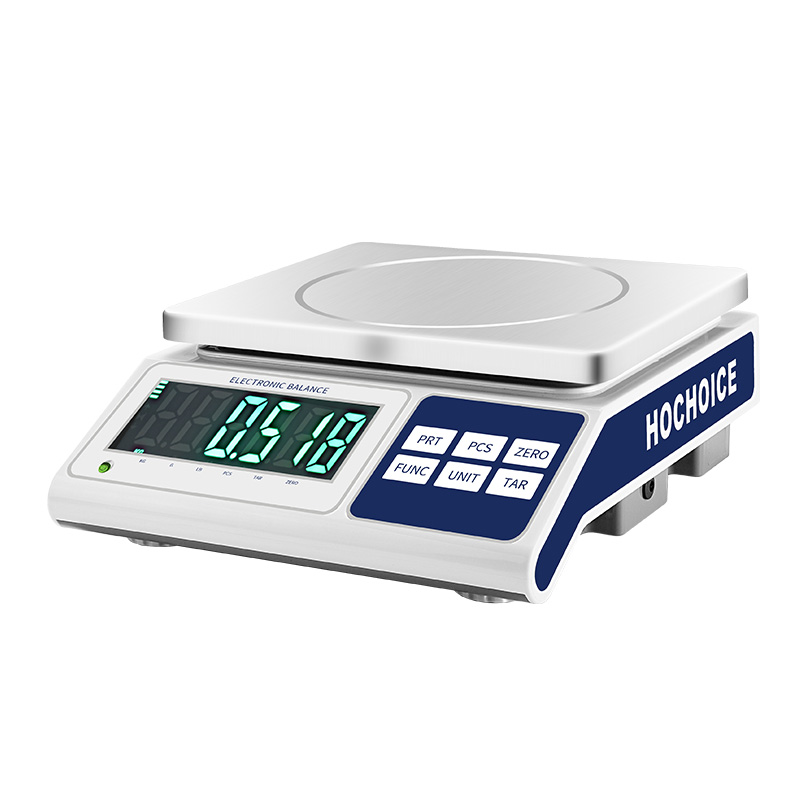
For routine laboratory formulation, a precision balance may be suitable for larger ingredient quantities, while an analytical balance may be more appropriate for smaller quantities that require finer readability.
A standardized weighing sequence helps reduce operator-dependent variation.
A practical workflow may include:
Review the formulation sheet and confirm the target quantity of each ingredient.
Prepare clean, dry, and suitable weighing containers.
Confirm that the balance is ready for use and displays a stable zero reading.
Place the container on the weighing pan and tare it when appropriate.
Add the ingredient gradually until the target mass is reached.
Transfer the weighed material according to the laboratory procedure.
Record the actual mass before proceeding to the next ingredient.
For formulations containing many components, preparing a clear weighing checklist can help prevent missed ingredients and incorrect quantities.
Several practical factors can affect ingredient weighing.
Incorrect container selection
Containers that are too large or unsuitable for the sample can make handling difficult. Select containers that provide sufficient space while remaining stable on the weighing pan.
Material loss during transfer
Powders may remain on spatulas, container walls, or transfer tools. Use suitable tools and a consistent transfer procedure to reduce material loss.
Environmental disturbance
Air movement, vibration, and unstable work surfaces may affect balance readings. Place the balance in an appropriate working area and avoid unnecessary disturbance during measurement.
Incorrect ingredient identification
When several materials are prepared in one session, clearly identify each ingredient before weighing. This helps prevent mix-ups between similar-looking materials.
A reliable formulation process should make it possible to compare different batches.
Laboratories can improve consistency by using the same weighing procedure, suitable balance capacity and readability, standardized containers, and clearly defined acceptance limits.
When a measured quantity falls outside the permitted range, the operator should follow the laboratory's documented procedure rather than making an undocumented adjustment.
Accurate batch formulation weighing is more than obtaining a displayed mass. It requires appropriate balance selection, controlled ingredient handling, a consistent weighing sequence, and clear preparation procedures.
By combining a suitable precision or analytical balance with standardized laboratory practices, users can improve formulation consistency and reduce avoidable preparation errors.