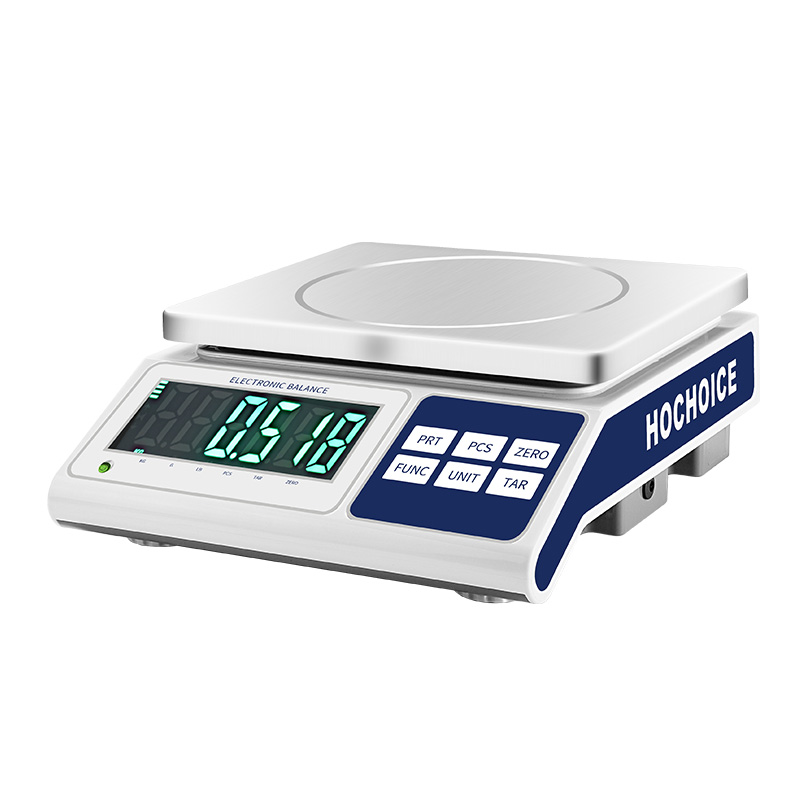

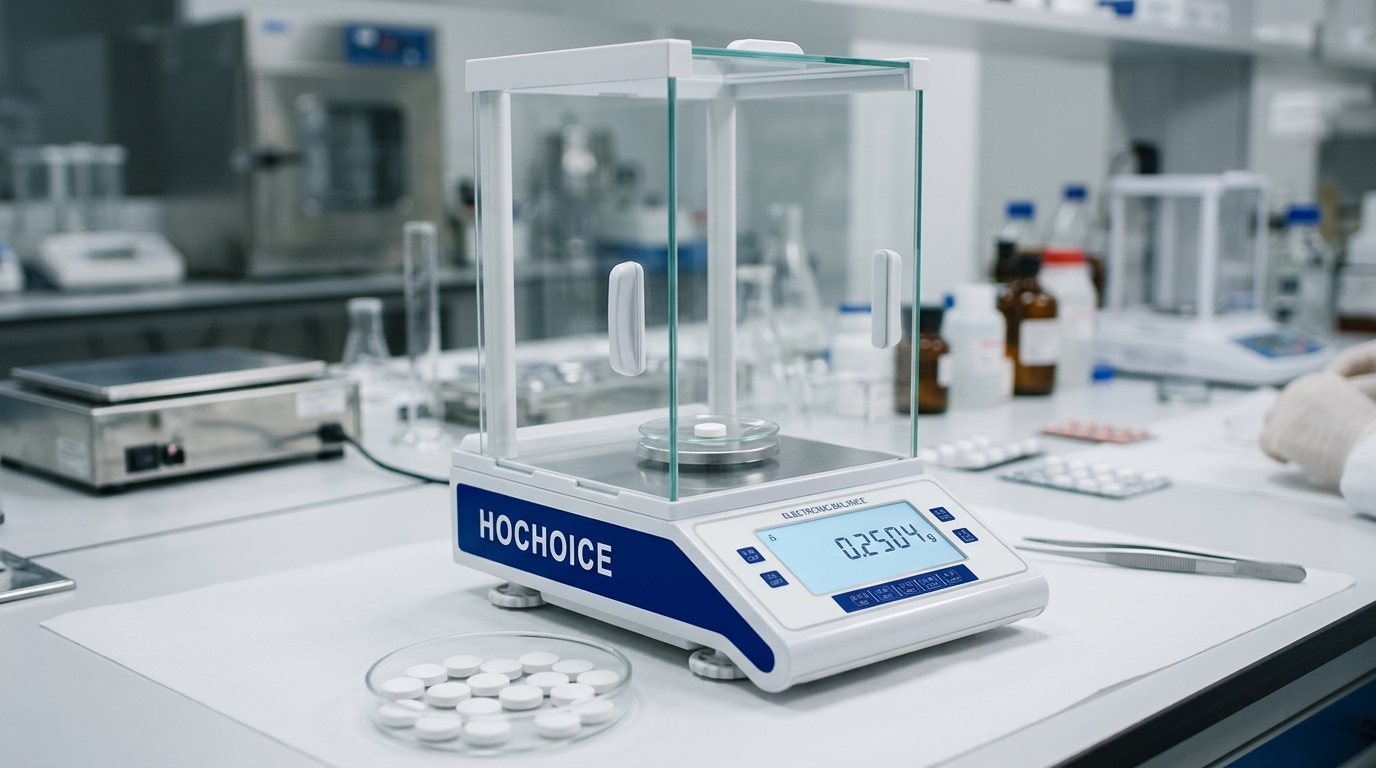
Tablet weight is one of the physical characteristics that pharmaceutical manufacturers may monitor during production and quality control. Consistent tablet mass can provide useful information about manufacturing processes, material distribution, and batch uniformity.
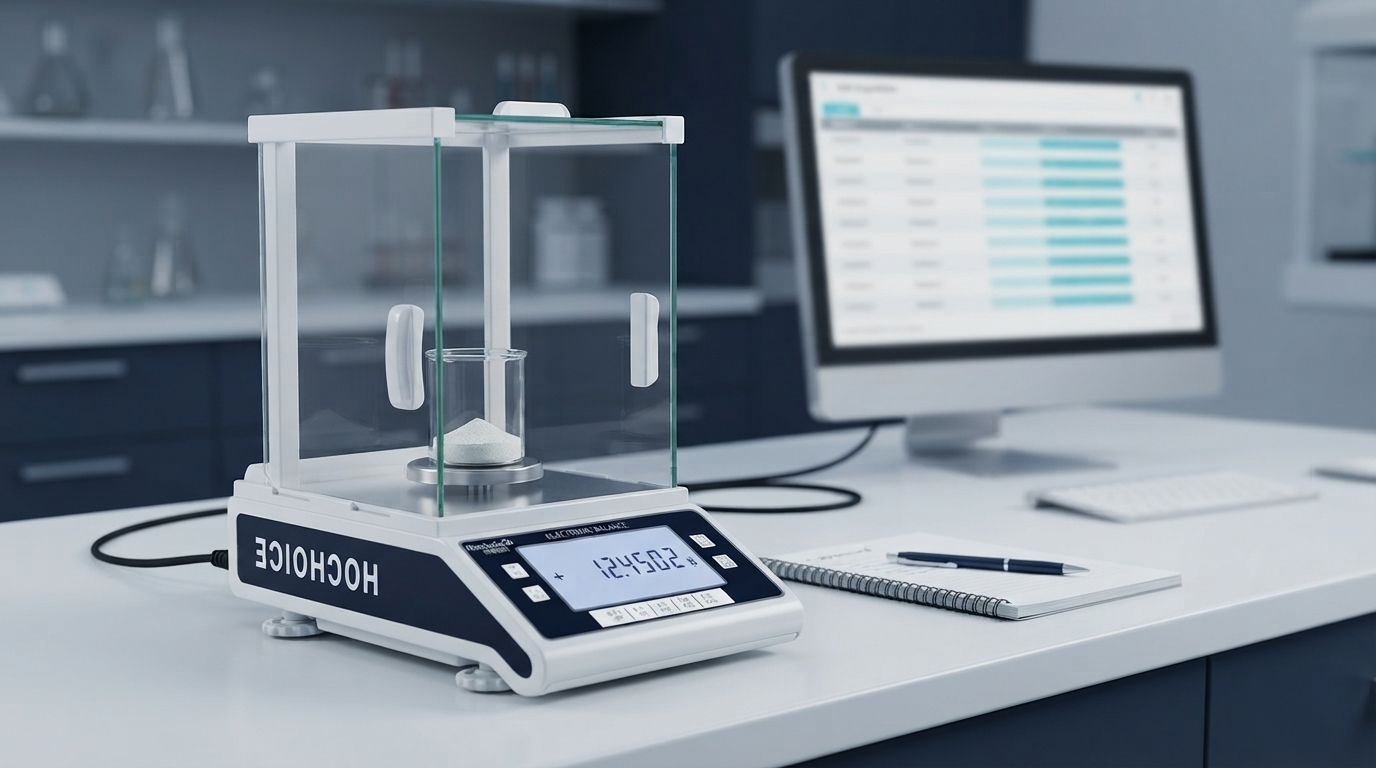
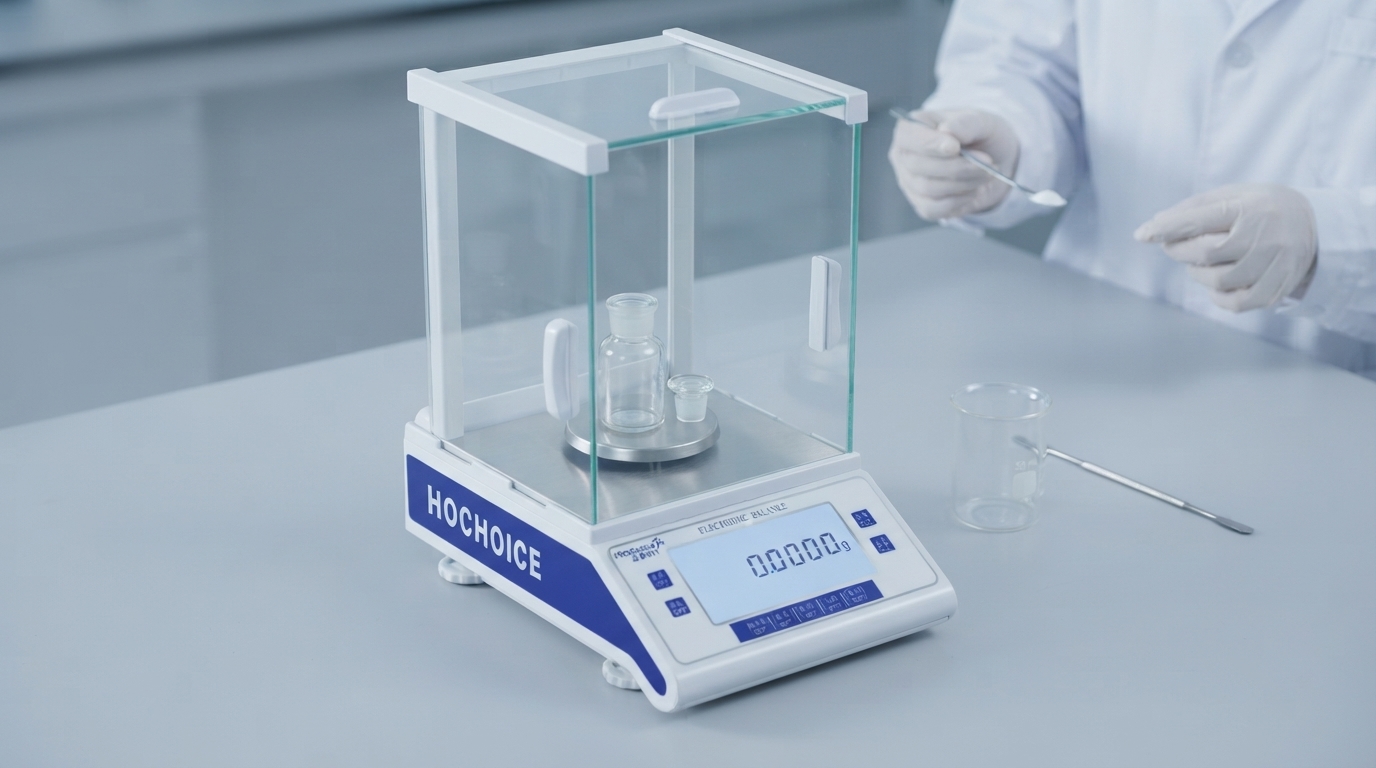
A precision electronic balance is an important tool for measuring tablet mass. However, reliable testing requires more than obtaining a displayed value. The balance, sample handling procedure, measurement conditions, and applicable quality requirements must all be considered.
Tablet weight measurements can help quality teams monitor variation during manufacturing and evaluate whether products meet defined specifications.
Unexpected differences in tablet mass may indicate changes in powder feeding, die filling, compression conditions, or other production variables.
Weight measurement alone does not establish the complete quality of a tablet. It should be considered together with other relevant tests, such as dimensions, hardness, disintegration, dissolution, and content uniformity, where applicable.
The balance should be suitable for the expected mass range and the acceptance criteria of the testing procedure.
Readability describes the smallest displayed increment. Repeatability describes the agreement between repeated measurements under comparable conditions. Capacity defines the maximum load the balance is designed to accommodate.
These characteristics should be considered together.
For example, a balance intended for individual tablet measurements may have different requirements from one used to weigh a group of tablets or larger production samples.
Do not select equipment based on decimal places alone. Evaluate whether the instrument's demonstrated performance is appropriate for the intended test.
A consistent sampling plan is important when comparing tablets from a production batch.
The procedure should define how many tablets are selected, where and when samples are collected, how they are identified, and how the results are evaluated.
Samples should be handled consistently. Unnecessary contact, contamination, damaged tablets, or mixing samples from different batches can affect the interpretation of results.
The applicable pharmacopoeia, product specification, and quality system should determine the required sampling and acceptance procedure.
Install the balance on a stable surface and keep it away from strong air currents and vibration.
Ensure that the weighing pan is clean and that the instrument is operating under the conditions specified by the manufacturer.
Use a suitable weighing vessel or tray if required by the procedure. Confirm that the combined mass of the container and sample remains within the balance capacity.
For routine tablet testing, a clearly organized weighing station can also help operators follow the same procedure across different shifts.
The testing method should specify whether individual tablets are weighed separately or whether a group is measured together.
Individual measurements can reveal variation between tablets. A group measurement provides a combined mass but may conceal differences between individual units.
Do not treat these approaches as interchangeable. Select the method according to the applicable testing requirement.
Record the sample identification, individual or combined mass as applicable, balance identification, date, operator, and any additional information required by the quality system.
The acceptance criteria for tablet weight testing depend on the product, applicable pharmacopoeial requirements, and approved quality procedures.
Do not apply a generic percentage tolerance to every tablet or product type.
Quality personnel should use the current applicable standard and the approved test method to determine the number of samples, calculation method, and acceptance limits.
If unexpected variation is observed, investigate the sampling process, balance suitability, environmental conditions, and manufacturing records before drawing conclusions.
For laboratories handling many samples, efficient data recording can reduce manual transcription and improve traceability.
Depending on the balance model, available interfaces or data functions may support the laboratory's recording workflow. Confirm compatibility with the intended software and quality management system before selecting a configuration.
Operators should also receive training on sample handling, instrument operation, and the approved test procedure.
A precision balance supports pharmaceutical tablet weight testing by providing mass measurements for production monitoring and quality control.
The most suitable instrument should match the tablet mass range, measurement requirements, sampling procedure, and laboratory workflow. Consistent handling and documented evaluation are essential for meaningful results.