
Liquid samples are widely used in chemical analysis, pharmaceutical research, food testing, and material development. In many laboratory procedures, the mass of a liquid must be determined before it is mixed, diluted, tested, or transferred to another container.
Although weighing a liquid may appear straightforward, the measurement can be affected by evaporation, splashing, container stability, and temperature differences.
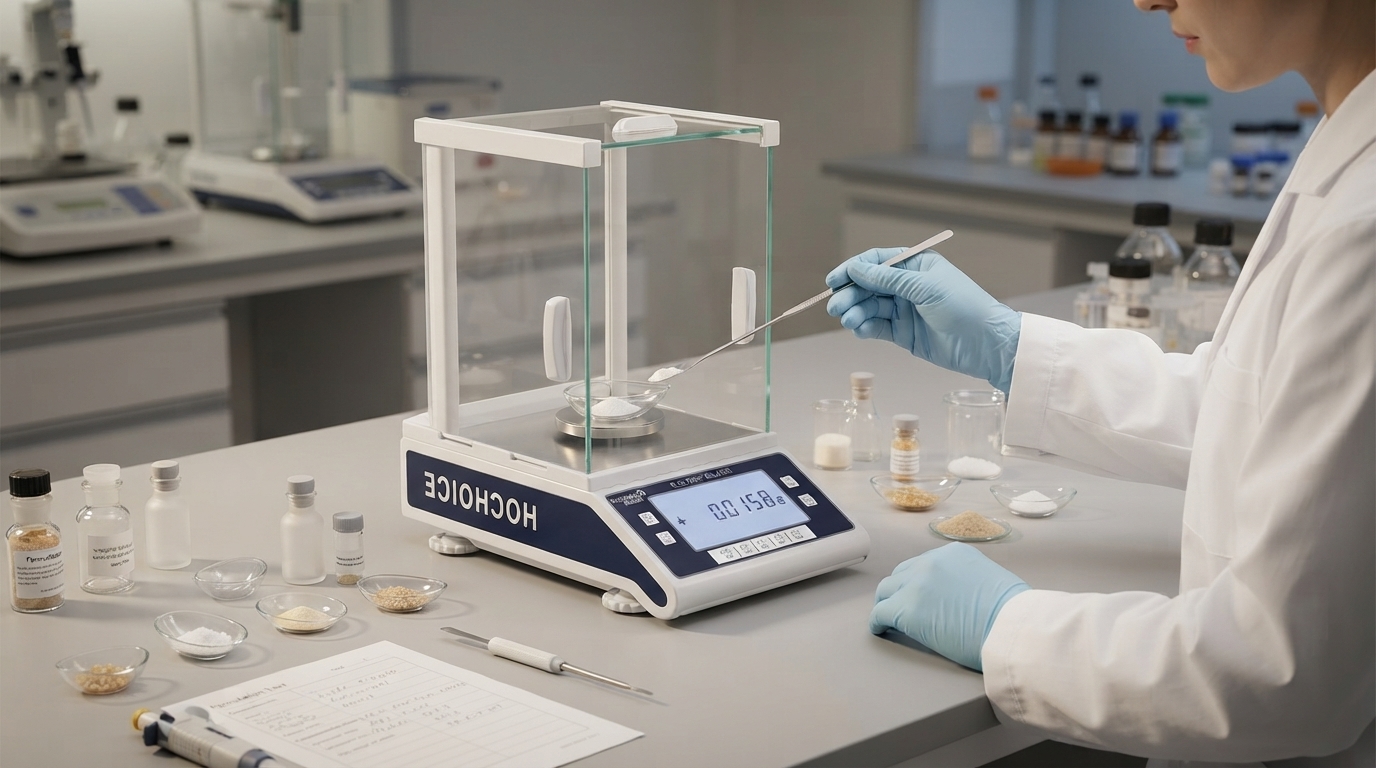
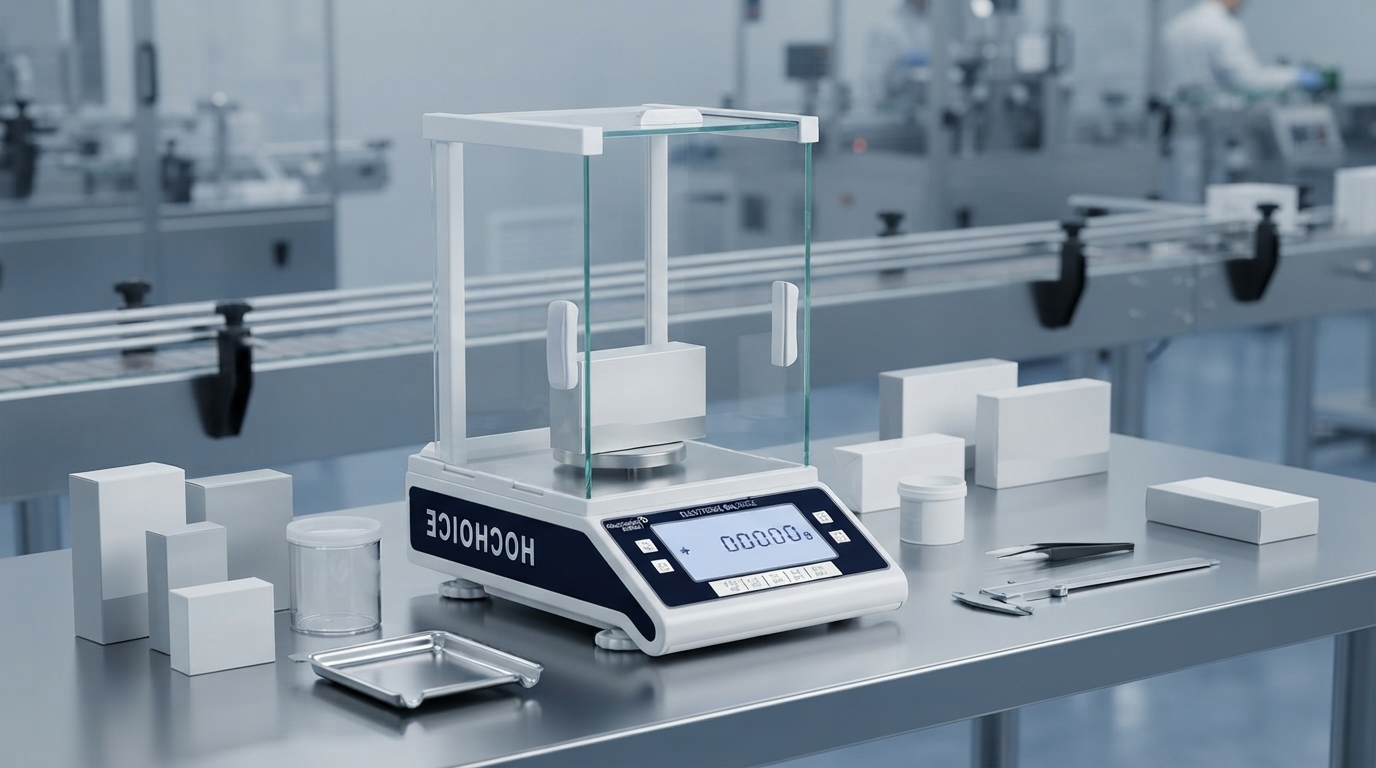
A suitable analytical or precision balance, combined with careful sample handling, helps laboratories obtain more consistent mass measurements.
Laboratories may measure liquids by volume or by mass, depending on the application.
Volume measurement is useful when the procedure requires a defined liquid volume. Mass measurement can be useful when the sample quantity needs to be determined directly by weight or when the liquid's density makes mass-based preparation more practical.
Weighing by mass can support:
Preparation of chemical formulations.
Measurement of liquid additives.
Preparation of laboratory reference mixtures.
Sample preparation for analytical testing.
Recording the actual mass of a liquid portion.
The appropriate method depends on the test procedure and the required measurement uncertainty.
The container is an important part of liquid sample weighing.
A suitable container should be stable, chemically compatible with the liquid, and appropriate for the required sample quantity.
Common options include:
Glass weighing vessels
Glass containers are useful for many laboratory liquids and can be selected in different shapes and capacities. Their compatibility with the sample should be checked before use.
Small laboratory beakers
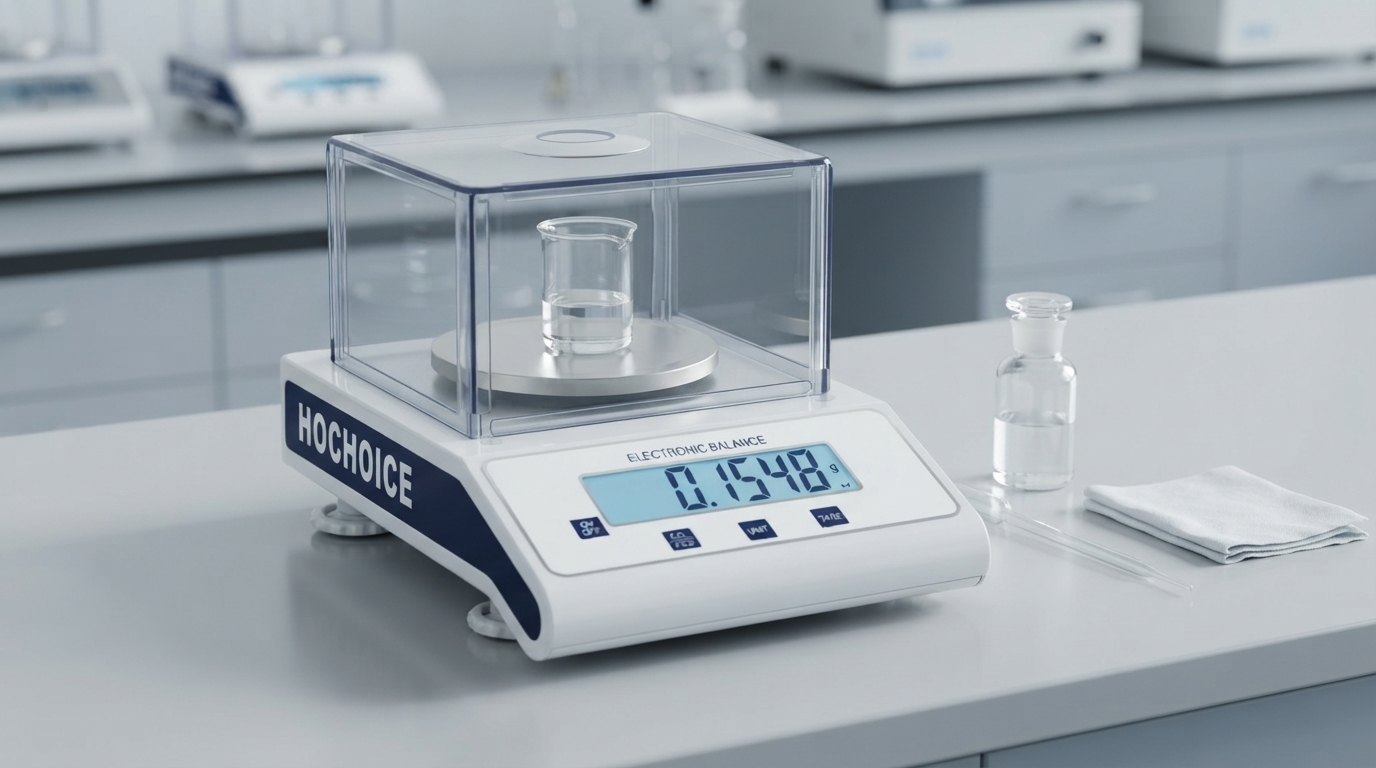
Beakers are convenient when a larger sample volume is required. However, their size and shape should be considered when using an analytical balance with a draft shield.
Capped sample containers
For volatile liquids, a suitable capped container can help reduce evaporation during handling. The container must be compatible with the sample and the laboratory procedure.
The container should be clean and dry on the outside before it is placed on the weighing pan.
Evaporation is one of the main challenges when weighing volatile liquids.
If a sample loses mass while it is being handled or weighed, the displayed result may change over time.
Practical measures include:
Prepare the container and weighing procedure before opening the liquid sample.
Keep the sample exposure time as short as the procedure allows.
Use a suitable cover or cap when appropriate.
Avoid unnecessary delays between sample preparation and measurement.
Follow chemical safety requirements for volatile or hazardous liquids.
For highly volatile materials, the laboratory should establish a specific procedure that considers the liquid's properties and the required measurement conditions.
Liquid droplets on the outside of a container can affect the measured mass. Spills may also contaminate the balance or weighing area.
Use a clean transfer tool that is appropriate for the liquid. Add the sample carefully and avoid overfilling the container.
Before weighing, inspect the outside of the container. If liquid is present, follow the laboratory's cleaning and handling procedure before proceeding.
Never place a leaking or unstable container on a precision balance.
The balance should be selected according to the expected sample mass, container weight, and required readability.
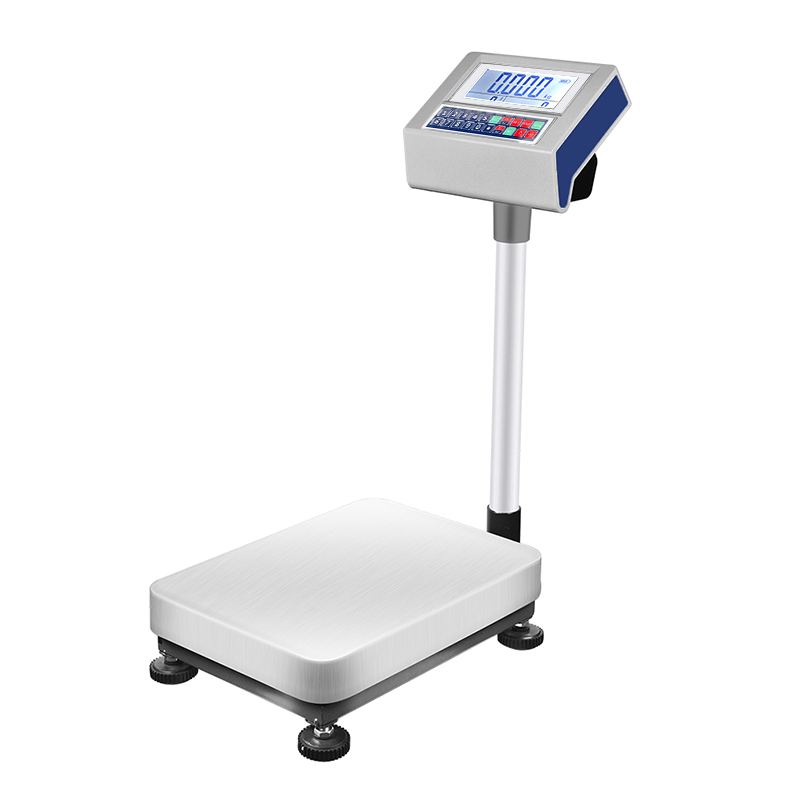
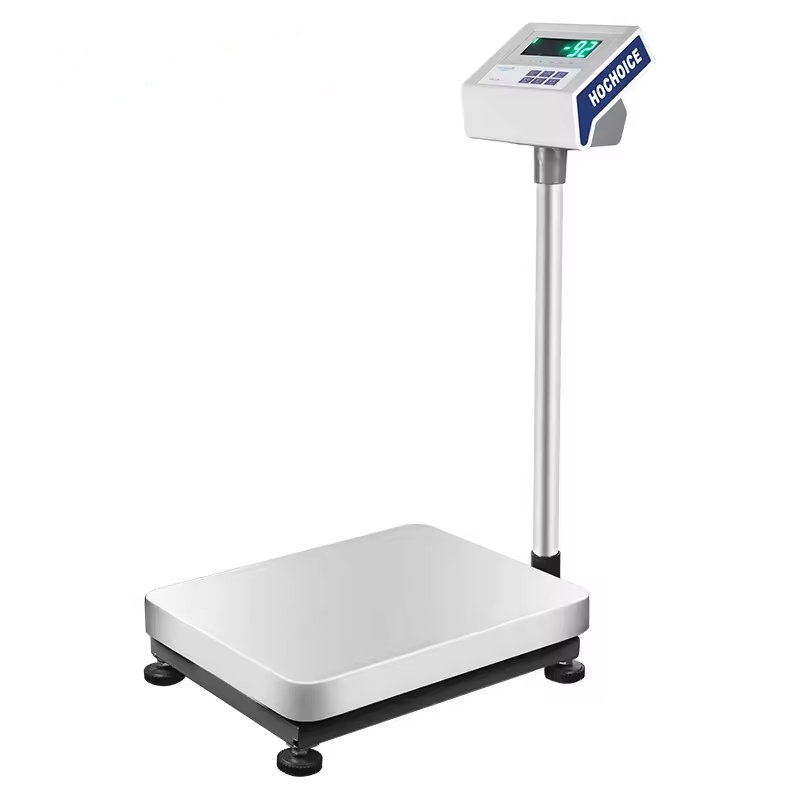
An analytical balance may be appropriate for small liquid quantities requiring fine readability. A precision balance may be more suitable for larger samples where a finer analytical resolution is not necessary.
Users should consider:
Maximum capacity, including the container.
Readability appropriate to the test requirement.
Repeatability under the intended working conditions.
Available weighing space and draft shield dimensions.
Stability of the working surface and surrounding environment.
The smallest displayed increment should not be confused with the overall measurement accuracy. The balance must be suitable for the actual weighing range and application.
A standard operating procedure helps reduce variation between operators.
A typical workflow may include:
Select a chemically compatible and stable container.
Check that the balance is ready for measurement.
Place the empty container on the weighing pan.
Tare the balance when the procedure requires it.
Add the liquid carefully using an appropriate transfer tool.
Close or cover the container when appropriate.
Wait for a stable reading and record the result.
Remove the container and clean the weighing area according to laboratory procedures.
For volatile liquids, the timing of each step should be controlled as part of the method.
Reliable liquid sample weighing depends on more than the readability of a balance. Container selection, evaporation control, careful transfer, and consistent handling procedures all contribute to measurement quality.
By choosing an appropriate analytical or precision balance and establishing a repeatable workflow, laboratories can improve the consistency of liquid sample preparation and mass measurement.