
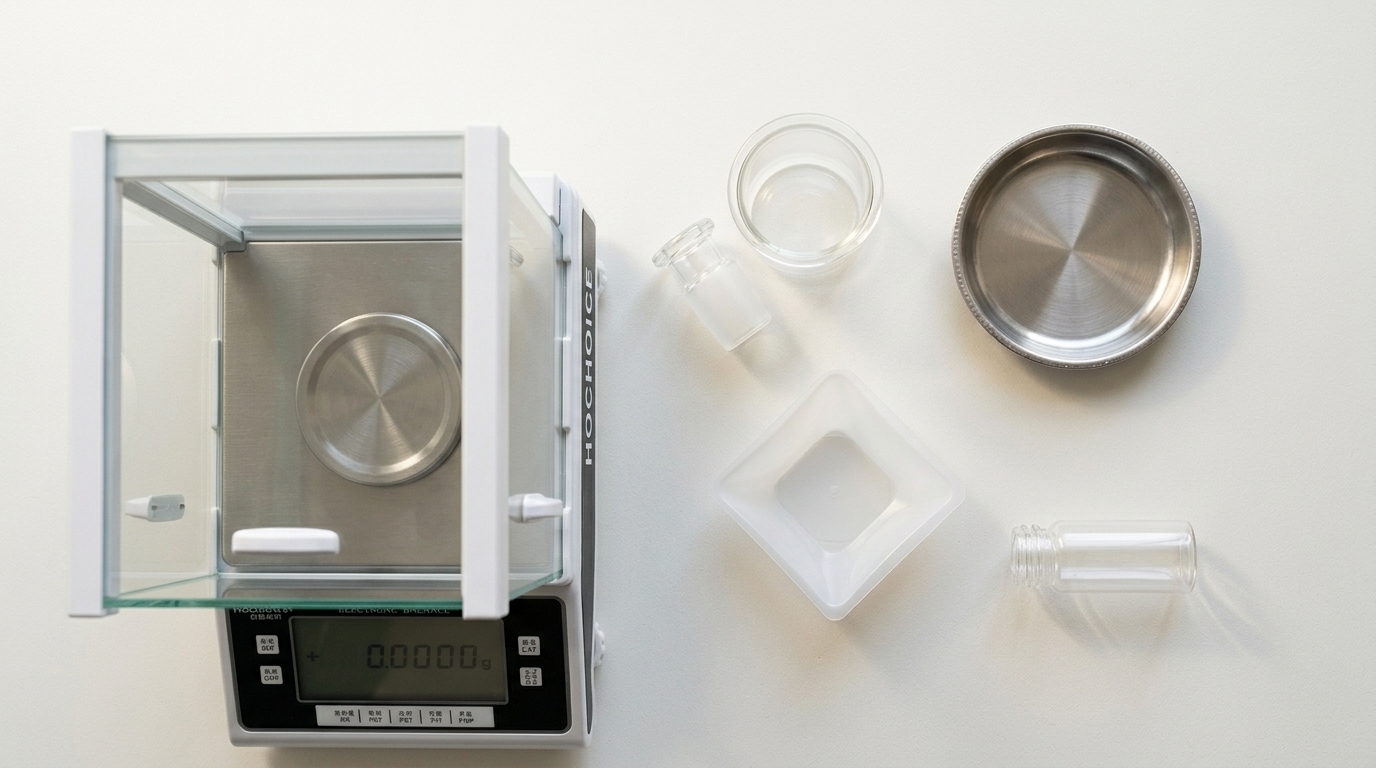
Choosing a suitable weighing container is an important step in obtaining reliable results with a precision balance. Although the balance determines the displayed mass, the container can influence measurement stability, sample recovery, handling efficiency, and the consistency of repeated measurements.
For laboratory technicians, pharmaceutical researchers, and quality control teams, selecting a container should involve more than choosing one that fits on the weighing pan. Material, size, shape, cleanliness, and compatibility with the sample all need to be considered.
A weighing container becomes part of the measurement process whenever a sample cannot be placed directly on the weighing pan.
An unsuitable container may introduce several problems:
Poor sample recovery: Powder may remain attached to the container walls or become difficult to transfer.
Unstable readings: Lightweight containers may be affected by air movement or electrostatic charge.
Contamination: Residues from previous samples can alter the measured result.
Handling difficulties: Containers that are too large or awkward to handle may increase the risk of spills.
Temperature-related effects: A container that is significantly warmer or colder than the surrounding environment may affect measurement stability.
These factors are particularly important when weighing small quantities or working with sensitive laboratory materials.
Different applications require different container characteristics. The following options are commonly used in laboratory weighing.
Disposable weighing boats are convenient for powders, granules, and small solid samples. Their lightweight construction and open shape make sample loading straightforward.
However, plastic boats may accumulate electrostatic charge, especially in dry environments. For low-mass measurements, laboratories should evaluate whether static neutralization or a different container material is appropriate.
Glass containers are useful when samples require containment or when a vessel must be cleaned and reused. They can also be suitable for liquids and certain chemical applications.
Before weighing, ensure the glassware is clean, dry when required, and close to room temperature. Residual moisture, contamination, or temperature differences may affect results.
Metal dishes can provide a rigid and reusable option for compatible samples. Their suitability depends on chemical compatibility, cleanliness, and the weighing procedure.
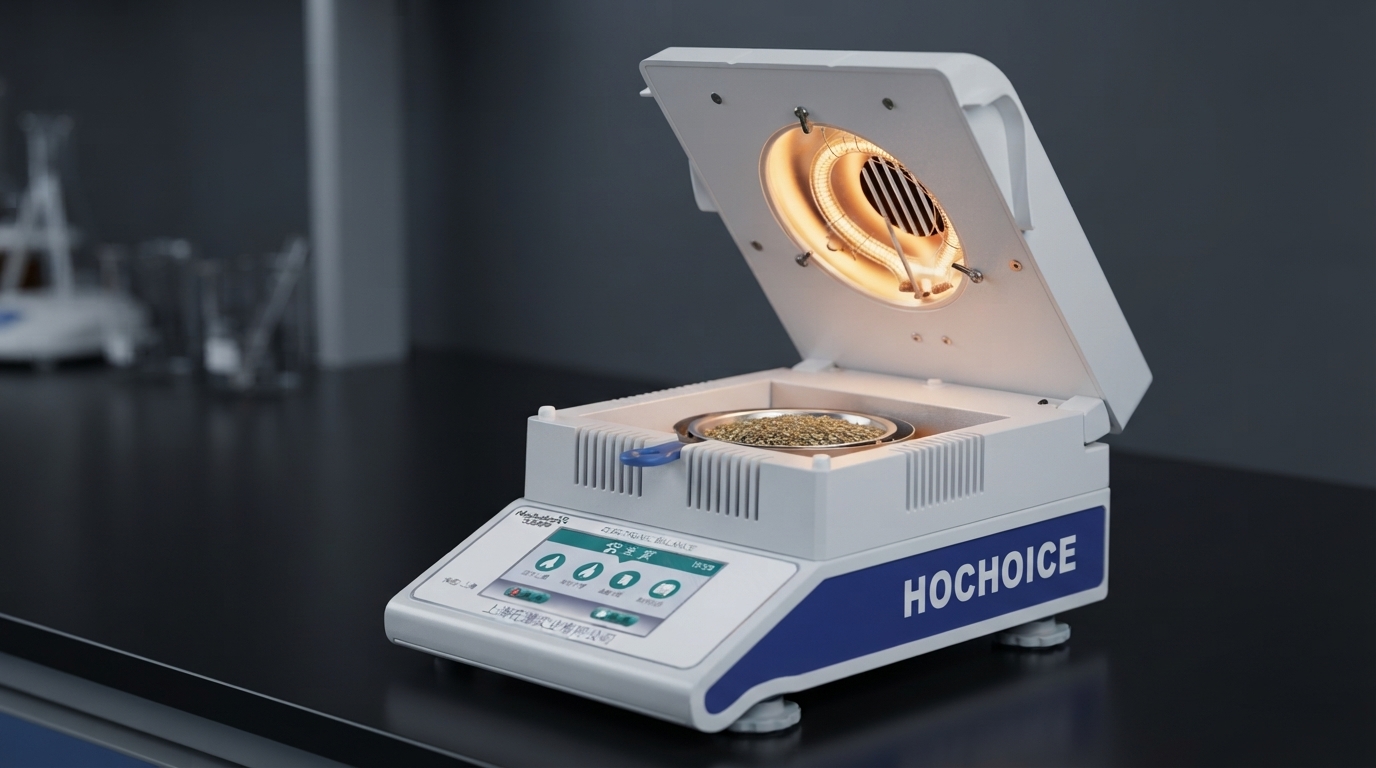
For moisture analysis, use the sample pan or dish specified for the instrument and test method rather than substituting an arbitrary container.
Some materials require specialized containers to prevent moisture exchange, contamination, chemical reactions, or sample loss. Pharmaceutical, food, and materials-testing laboratories should follow their validated procedures when selecting these containers.
Material compatibility: Confirm that the container will not react with, absorb, contaminate, or otherwise alter the sample.
Container mass and size: Select a vessel that can be handled safely and fits comfortably within the balance's weighing area and capacity limits.
Surface properties: Consider whether the material is prone to static charge or whether powder may adhere to its surface.
Cleaning requirements: Reusable containers must be cleaned using a method suitable for the sample and laboratory procedure. Ensure they are dry when required.
Sample stability: For hygroscopic or volatile materials, minimize exposure to ambient air and follow the specified handling procedure.
A consistent weighing procedure helps reduce avoidable variation.
Confirm that the balance is installed on a stable, level surface and is ready for use.
Select a clean container compatible with the sample.
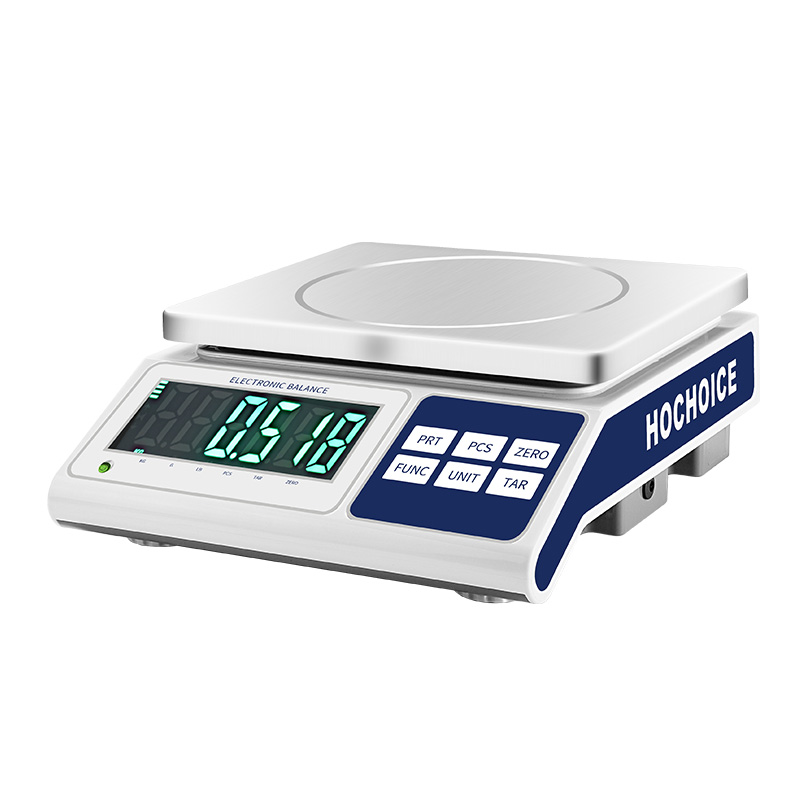
Place the empty container on the weighing pan and allow the reading to stabilize.
Use the tare function when appropriate to establish the container as the zero reference.
Add the sample carefully, avoiding spills and contact with surrounding surfaces.
Close the draft shield if the balance is equipped with one, and wait for a stable reading.
Record the result according to the laboratory's procedure.
Remove the container and clean the weighing area when necessary.
For procedures that require the mass of the container and sample to be recorded separately, follow the applicable documentation method rather than relying only on the tared display.
| Problem | Possible reason | Practical response |
|---|---|---|
| Reading drifts after placing the container | Static charge or temperature differences | Check environmental conditions and allow the container to equilibrate |
| Powder remains on the container wall | Material properties or unsuitable container surface | Review the container material and sample-transfer method |
| Results differ between repeated tests | Inconsistent handling or sample loss | Standardize container preparation and sample transfer |
| Blank container gives an unexpected reading | Residue, moisture, or contamination | Clean and condition the container as required |
| Sample spills during transfer | Container shape or size is unsuitable | Choose a vessel that supports safer handling |
A container-related problem should not automatically be attributed to a faulty balance. The sample, container, environment, and operating procedure should be evaluated together.
For routine laboratory weighing, convenience and sample containment may be the primary considerations. For small-mass analytical work, electrostatic behavior, cleanliness, and handling consistency become more significant. For moisture testing, the container must also be compatible with the instrument's heating procedure and the material being tested.
The best choice is the one that supports the required measurement procedure without introducing avoidable contamination, sample loss, or instability.
A suitable weighing container helps make laboratory weighing safer, more consistent, and easier to reproduce. By considering material compatibility, container dimensions, surface properties, cleaning requirements, and sample stability, laboratories can reduce common sources of error before they affect the final result.
A precision balance delivers its best performance when the instrument, container, sample, and weighing procedure are treated as parts of one measurement system.