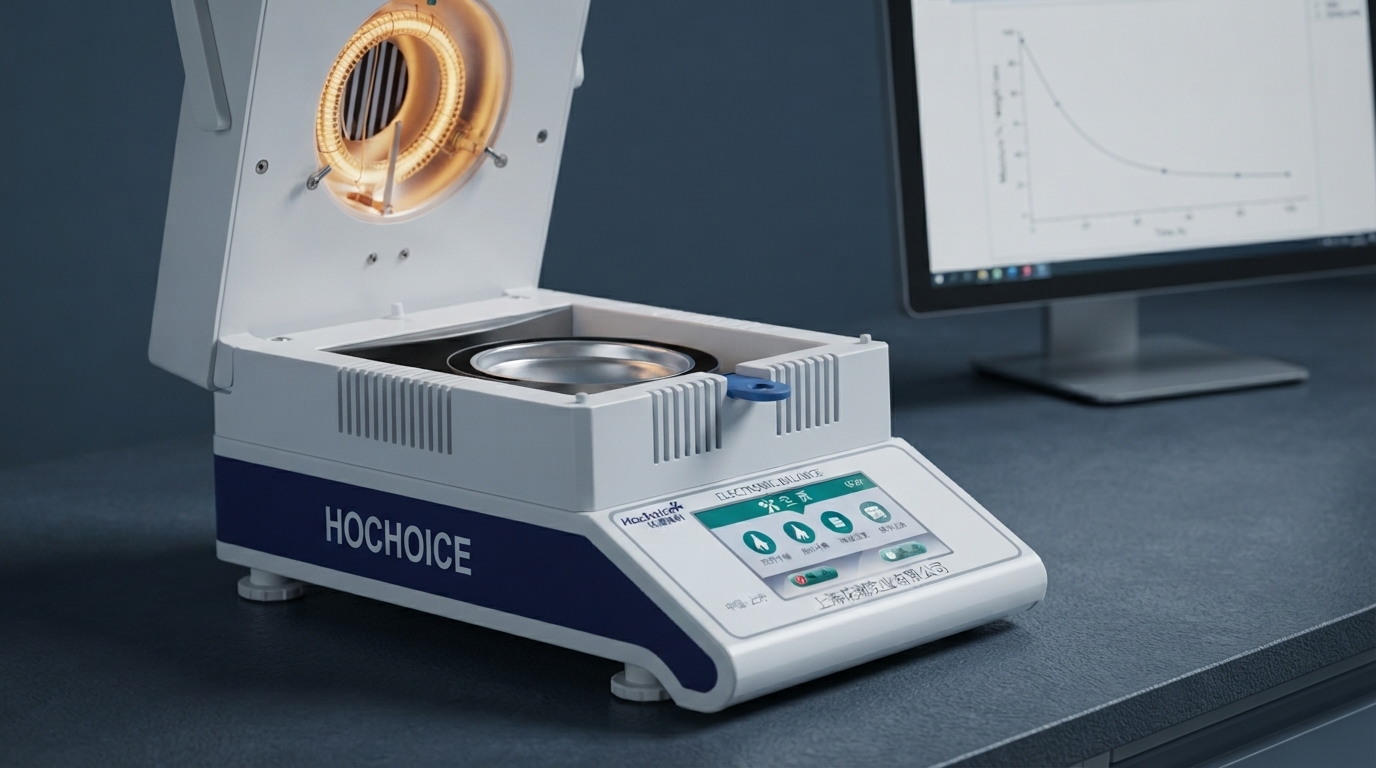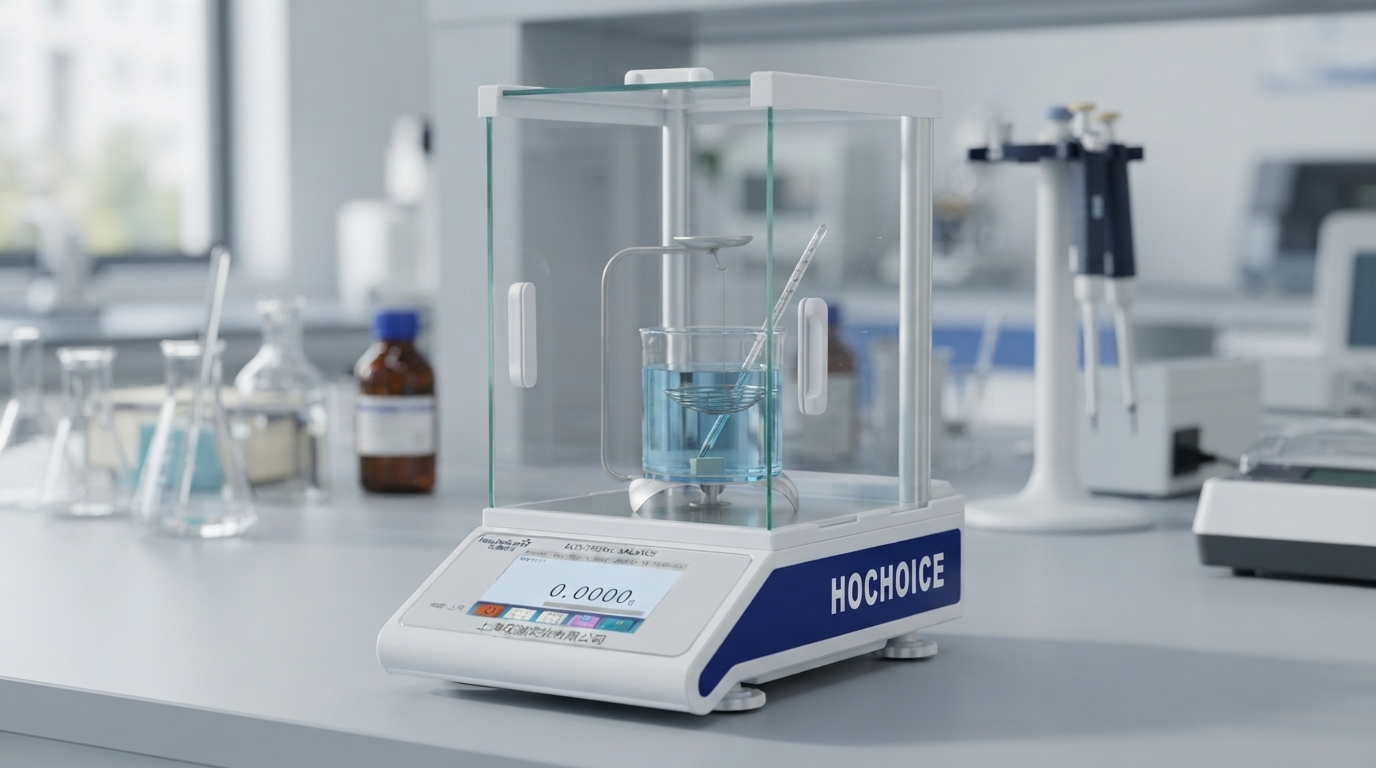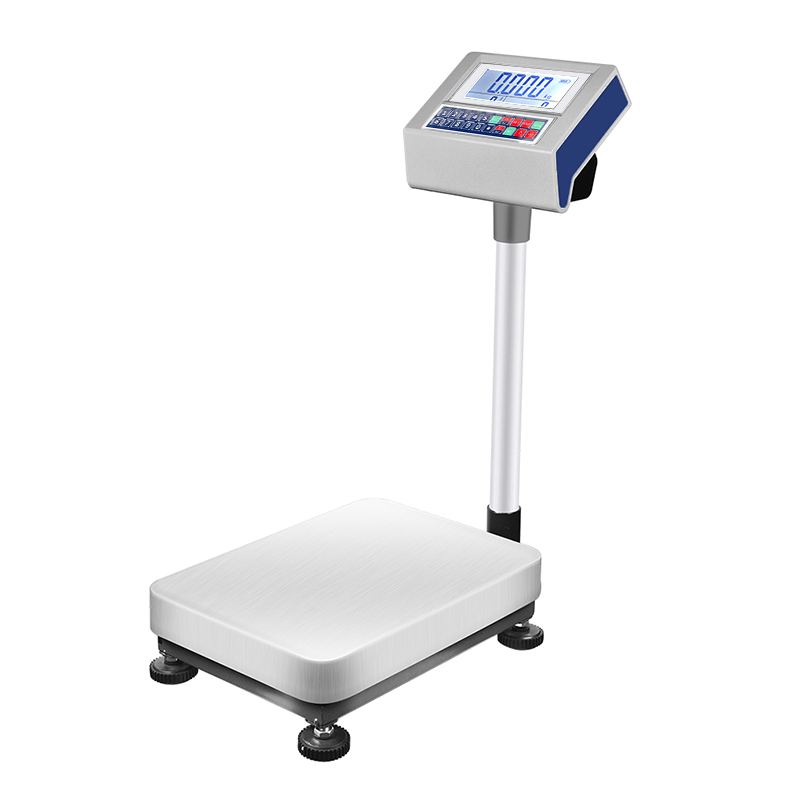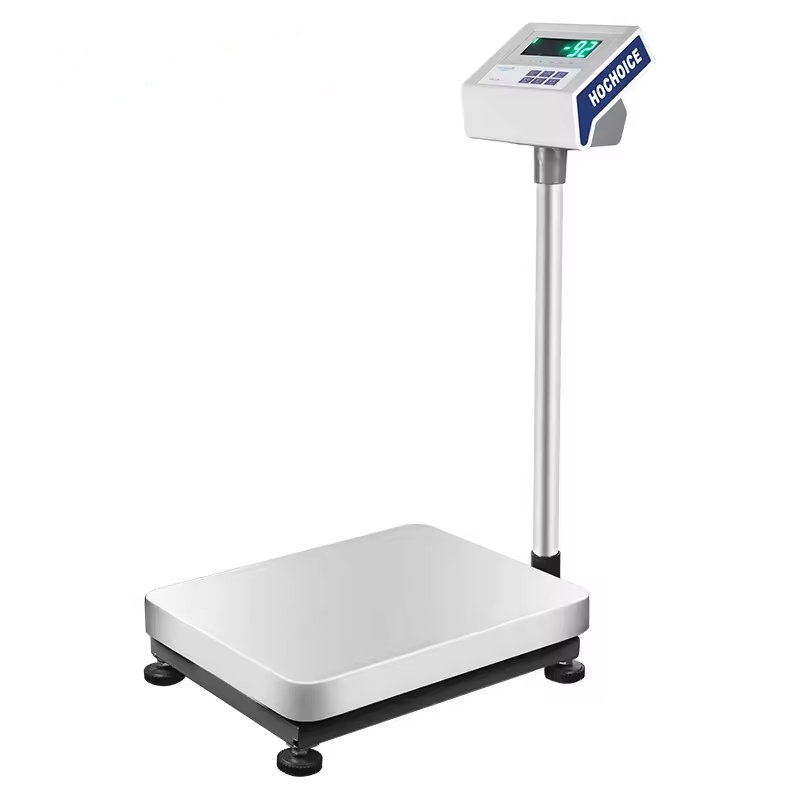

The percentage weighing function on an electronic balance allows users to compare a sample's mass with a reference mass and display the result as a percentage. This function is useful in applications such as formulation, ingredient preparation, material comparison, and routine quality control.
Instead of repeatedly calculating percentages manually, operators can use the balance's percentage mode to simplify measurements and reduce calculation errors. However, reliable results still depend on the reference sample, weighing procedure, and the capabilities of the instrument.
Percentage weighing expresses a measured mass relative to a defined reference mass.
The general formula is:
Percentage (%) = (Measured Mass / Reference Mass) × 100
For example, suppose a reference sample has a mass of 50.00 g. A second sample weighs 47.50 g.
Its relative mass is:
(47.50 / 50.00) × 100 = 95%
The second sample therefore has 95% of the reference sample's mass.
The result does not automatically indicate chemical purity, ingredient concentration, or product quality. It represents a mass ratio unless a validated application method establishes a more specific interpretation.
On a balance equipped with percentage weighing mode, the operator typically places a reference sample on the pan and assigns its mass as the 100% reference.
The balance then compares subsequent measurements against that stored reference and displays the relative percentage.
A typical workflow is:
Prepare a suitable reference sample.
Place the reference sample on the weighing pan.
Follow the instrument instructions to set the reference value to 100%.
Remove the reference sample if required by the selected operating mode.
Place the test sample on the pan.
Allow the reading to stabilize.
Record the displayed percentage and any required supporting information.
The exact sequence and available options depend on the balance model. Always follow the manufacturer's operating instructions.
In laboratories and production environments, operators may need to compare the mass of an ingredient with a reference quantity. Percentage weighing can simplify this comparison when the procedure is based on relative mass.
A laboratory may compare samples against a reference specimen to identify relative mass differences. This can support routine inspection when the measurement method and acceptance limits have been established.
Percentage weighing can help operators check whether a sample falls within a defined relative-mass range. However, acceptance limits should come from the relevant product specification or validated procedure, not from the balance itself.
When preparing multiple portions based on a reference quantity, the function can make repetitive weighing tasks easier to perform and document.
Percentage weighing does not eliminate ordinary weighing errors. Its reliability depends on the quality of both the reference and the test measurement.
Reference sample selection: An unsuitable or incorrectly measured reference can affect every subsequent comparison.
Balance readability and repeatability: The instrument must be suitable for the mass range and tolerance required by the application.
Environmental conditions: Drafts, vibration, temperature differences, and electrostatic effects can influence weighing results.
Sample handling: Material loss, contamination, and inconsistent handling can cause differences unrelated to the intended comparison.
Reference consistency: If reference samples vary between batches, the displayed percentages may not be directly comparable.
| Feature | Ordinary weighing | Percentage weighing |
|---|---|---|
| Primary output | Mass in units such as g or mg | Relative mass as a percentage |
| Reference required | Not necessarily | Yes, a defined reference is needed |
| Typical use | Determining sample mass | Comparing mass against a reference |
| Main consideration | Suitable measurement range and performance | Reference quality plus suitable balance performance |
Percentage weighing is especially convenient when the task involves repeated comparisons. Ordinary mass measurement remains necessary when the absolute mass value is the required result.
Use a consistent reference sample and establish a documented procedure for setting the 100% value. Keep the balance in suitable environmental conditions, allow readings to stabilize, and use the same handling method for reference and test samples.
For critical applications, verify the balance's performance and evaluate the measurement method against the required tolerance. If the percentage result is used for formulation or product release, ensure the procedure has been appropriately validated.
The percentage weighing function makes relative-mass comparisons faster and more convenient by displaying a test sample's mass as a percentage of a reference mass. It is useful for formulation, sample preparation, and quality control when the reference and operating procedure are clearly defined.
Choosing an electronic balance with suitable capacity, readability, repeatability, and operating functions helps laboratories and manufacturers build a more consistent weighing process.